Water Extraction and Removal in Woodland, WA
When the Lewis River climbs or a storm drives water indoors, the extraction crew pulls standing water from floors and carpet before it reaches framing and drywall.
(888) 509-1696Book an extraction crew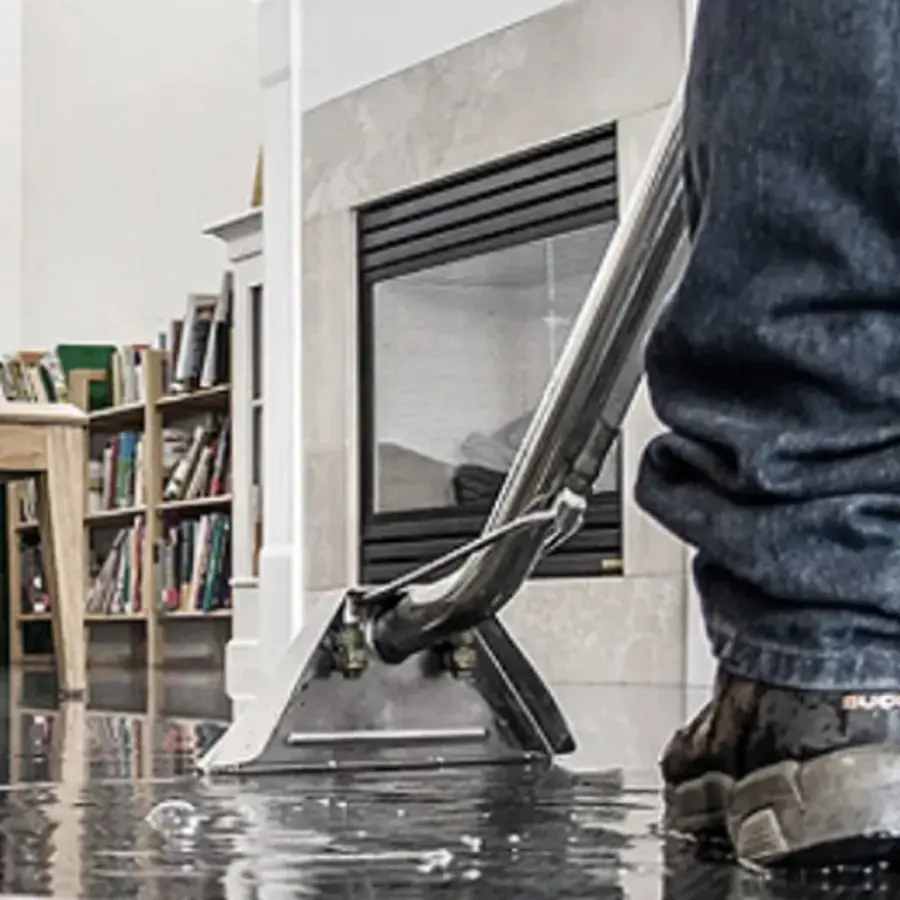
First steps for water extraction and removal in Woodland
Find the water
The tech traces the source, checks which rooms are wet and sorts the water as clean, gray or contaminated.
Pump it out
Extractors pull standing water from floors, carpet and pad, working from the lowest spot outward.
Remove what will not dry
Soaked pad, ruined flooring and contaminated materials are bagged and carried out.
Set up drying
Air movers and dehumidifiers go in room by room, and readings are logged until the building reads dry.
How water extraction and removal is handled in Woodland
Standing water, wet carpet and soaked pad are the first things the extraction crew deals with after a loss. The sooner the bulk water is out, the less of it reaches wall bases, framing and the subfloor, where it is slower and costlier to remove.
What does water extraction and removal cost in Woodland, WA?
Water extraction usually runs $500 to $1,200 for one room, $1,200 to $2,500 for several rooms, and $2,500 to $6,000 for a whole floor or Category 3 water. Contamination and depth move the price most.
One room or less
- Standing water lifted
- Carpet extraction
- Drying set placed
Several rooms
- Truck-mounted removal
- Wet pad taken out
- Moisture map per room
Whole floor or Category 3
- Contaminated water
- Carpet and pad removed
- Containment and antimicrobial
Ranges are typical, not a quote: the water category, square footage, material class and how fast drying started move the number most. Run the water damage cost calculator for a closer range.
The water extraction and removal process in Woodland
Walkthrough
A tech measures moisture in floors and walls, notes how deep the water went, and takes the photos that start the claim record.
Extraction
Truck-mounted or portable pumps remove standing water, and weighted tools press more out of carpet and pad before anything is lifted.
Removal
Pad, damaged flooring and anything contaminated is cut out and hauled away, and baseboards come off so wall bottoms can breathe.
Drying plan
Dehumidifiers and air movers are placed by the moisture map, and the readings decide when the equipment can leave.
How extraction works
Extractors work from the lowest point outward, passing over each area until the wand stops pulling up water. Carpet is lifted when it can be saved, and pad is usually removed.
- Truck-mounted units for large areas and deep water
- Portable extractors for upstairs rooms and tight spaces
- Weighted tools that squeeze water from carpet and pad
- Moisture readings taken before and after each pass
Water from the river
The National Weather Service marks minor flooding on the Lewis River gauge at 24 feet and several flooded homes at 26 feet, and the city sits on a former floodplain behind dikes. Water that comes from a river carries silt and contaminants.
That water is handled as Category 3, so carpet and pad come out, hard surfaces are cleaned and disinfected, and drying begins only after the contaminated material is gone. A storm and flood cleanup often starts with this step.
After the pumps stop
Once the standing water is gone, the crew maps what is still wet in floors, walls and cabinets, then sets air movers and dehumidifiers. Structural drying follows, with daily readings that show whether the building is moving toward normal.
Extraction alone never finishes the job, because damp subfloors and wall bases keep releasing moisture for days.
Why timing matters
Wet drywall, pad and wood can start to swell and grow mold within 24 to 48 hours, so pulling the bulk water out early keeps the repair smaller.
Water extraction and removal across Woodland and nearby communities
Dispatch runs 24/7 for Woodland, WA, day or night.
Extraction crews work across ZIP 98674, from downtown and Old Town Woodland to Pekin, Scott Hill, the homes near Horseshoe Lake and the neighborhoods along the Lewis River, plus the streets around the Dike Access Road area.
The same service nearby: water extraction and removal in Longview, Kalama, Kelso.
Water Extraction and Removal questions in Woodland, WA
Water still spreading?
Standing water in the house? Describe it and the team will start with the lowest floor.
(888) 509-1696 Woodland extraction helpHow much water can the crew remove at once?
Truck-mounted units move a large volume, so a flooded floor can be cleared in one pass of the lowest areas. Portable units handle stairs, upper floors and rooms the hose cannot reach.
Can wet carpet be saved after extraction?
Often when the water was clean and the carpet is lifted promptly. Pad is usually replaced, and carpet touched by river water or sewage is removed instead of dried.
Does the crew need to move furniture?
Light items are lifted or blocked up so the wand can reach everything underneath. Heavy pieces are usually moved a little at a time, and wet contents are sorted so the claim has a record.
Is extraction enough without drying equipment?
No. Pumps remove the bulk water, but wet subfloors, wall bases and cabinets still hold moisture. Air movers and dehumidifiers are what finish the job and bring readings back to normal.
What if the water came from the river?
River water is treated as Category 3, so carpet and pad come out and surfaces are cleaned and disinfected. The extraction step is the same, but the removal and cleaning that follow are broader.
What records are kept for the insurance claim?
Dated photos, moisture readings, a list of removed materials and notes on the equipment used. The crew records this on each visit so the adjuster can follow the loss from start to dry.
Get the water out before it settles in
Tell the team where the water is and how far it has traveled, and the crew will plan the pumps, the removal and the drying.
(888) 509-1696Talk to an extraction crew