Storm and Flood Cleanup in Woodland, WA
Lewis River rises, creek overflow and heavy rain all push dirty water into homes. The cleanup crew removes it, cuts out wet materials and dries what remains.
(888) 509-1696Start flood cleanup help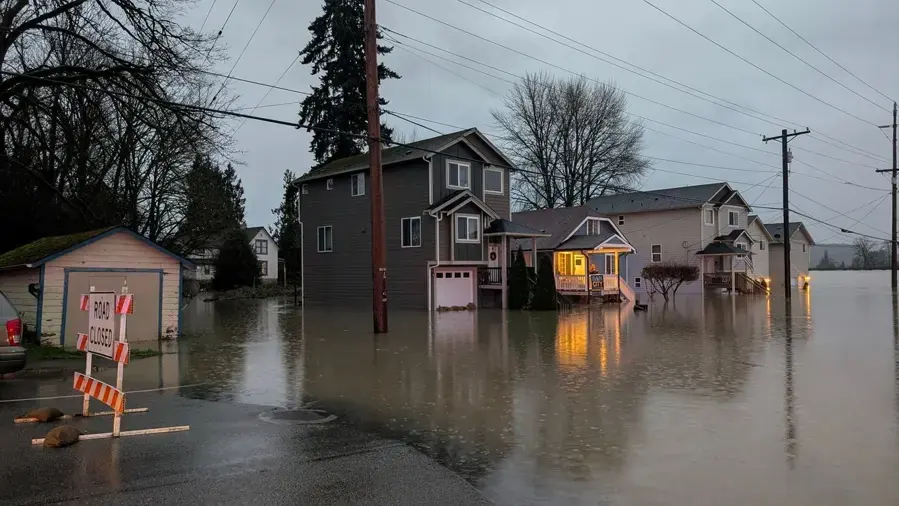
First steps for storm and flood water cleanup in Woodland
Make it safe
Power is shut off to wet areas, hazards are noted, and the crew works in protective gear around silt and bacteria.
Remove water and mud
Pumps and extractors clear standing water, and wet vacuums take silt and debris off the floor.
Cut out the wet layers
Carpet, pad and drywall above the water mark are removed, and flood cuts open wall cavities.
Treat and dry
Surfaces are cleaned and disinfected, and dehumidifiers and air movers run with daily readings until dry.
How storm and flood water cleanup is handled in Woodland
Flood water carries silt, bacteria and whatever it picked up on the way, so storm cleanup is more than a pump-out. The crew removes the water, then the layers it touched, and treats what stays so drying can start safely.
What does storm and flood water cleanup cost in Woodland, WA?
Storm and flood cleanup runs $2,000 to $4,500 for a garage or one room, $4,500 to $9,000 for several rooms, and $9,000 to $25,000 for a whole lower level. Water height and contamination drive the range.
Garage or one room
- Extraction and debris out
- Lower wall flood cuts
- Antimicrobial and drying
Several rooms
- Carpet and drywall removed
- Containment where needed
- Daily moisture readings
Whole lower level
- Widespread Category 3 water
- Contents sorted and removed
- Complete claim documentation
Ranges are typical, not a quote: the water category, square footage, material class and how fast drying started move the number most. Run the water damage cost calculator for a closer range.
The storm and flood water cleanup process in Woodland
Safety check
A tech checks power, structural hazards and the waterline, photographs the damage, and records how high the water rose.
Removal
Water, silt and debris come out first, and contents that cannot be cleaned are sorted and carried out with a record of each item.
Flood cuts and cleaning
Wet drywall is cut above the waterline, framing is cleaned and treated, and hard surfaces are disinfected.
Drying and documentation
Equipment is set by moisture map, readings are logged daily, and a full photo and moisture file is built for the claim.
The flood history here
In February 1996 the Lewis River and Robinson Creek overflowed and flooded most of the area east of East Scott Avenue, and the gauge crested at 34.5 feet. Clark County ties that flood to extended rain and early snowmelt in the weather pattern called the Pineapple Express.
- Most residential evacuations in that regional flood were in the city
- The gauge crested again at 26.56 feet in February 2003
- It reached 24.65 feet in November 2006 and 25.41 feet in January 2009
What cleanup involves
The crew starts by removing standing water and mud, then sorts out what can be saved. Carpet, pad and soaked drywall are removed, and flood cuts are made above the waterline so wall cavities can be opened and dried.
Hard surfaces and framing are cleaned and treated with antimicrobial products. After that, water extraction and drying equipment bring the structure back to normal readings.
Measuring the risk
The National Weather Service gauge sets minor flooding at 24 feet, moderate at 26 feet and major at 28 feet, when many residences and roads flood along the Lewis River.
Homes behind the dikes can still take water from heavy rain or a creek, so the cost calculator is worth running before a loss and after one.
Flood water and insurance
Rising river water is usually a flood claim, which standard homeowner policies often exclude. The crew documents the waterline, the debris and every removed material so the claim has support whichever policy applies.
Storm and flood water cleanup across Woodland and nearby communities
Dispatch runs 24/7 for Woodland, WA, day or night.
Flood crews cover ZIP 98674, with particular attention to East Woodland, the area east of East Scott Avenue, Pekin and the streets close to the Lewis River, Robinson Creek and Burris Creek.
The same service nearby: storm and flood water cleanup in Longview, Kalama, Kelso.
Storm and Flood Water Cleanup questions in Woodland, WA
Water still spreading?
Storm or river water in the home? Start with the lowest, wettest room.
(888) 509-1696 Call for flood helpWhat makes flood water more dangerous than a leak?
River and storm water carries bacteria, silt and debris, so it is treated as Category 3. Porous materials are removed rather than dried, and surfaces are disinfected.
Why are flood cuts made above the water line?
Wet drywall wicks moisture upward, and insulation behind it stays soaked. Cutting above the visible stain lets the crew reach the cavity and dry the framing.
Does the dike system mean homes will not flood?
Dikes reduce river flooding, but heavy rain, creek overflow and a high Lewis River can still put water into homes, so cleanup is still needed when a storm gets through.
Is flood damage covered by homeowners insurance?
Rising river water is commonly excluded and needs a separate flood policy, while sudden internal leaks are usually covered. The crew documents the cause and the damage so the claim is clear.
Can belongings be saved after flood water?
Hard goods can often be cleaned and disinfected. Soft goods that sat in contaminated water, such as upholstery and mattresses, are usually discarded after being photographed.
How do storms change the cleanup plan?
Heavy rain usually brings water from outside, so entry points, silt and debris are part of the job. The crew checks for hidden water in walls and low spaces after the visible water is gone.
Take the first step after the flood
Tell the team how high the water rose and what it reached, and the cleanup crew will plan removal, treatment and drying for the whole lower level.
(888) 509-1696Start the flood plan