Water Damage Restoration in Castle Rock
When pipes burst, storms push water indoors or the Cowlitz River rises, the restoration team in Castle Rock extracts the water, opens wet materials and dries the structure with logged readings.
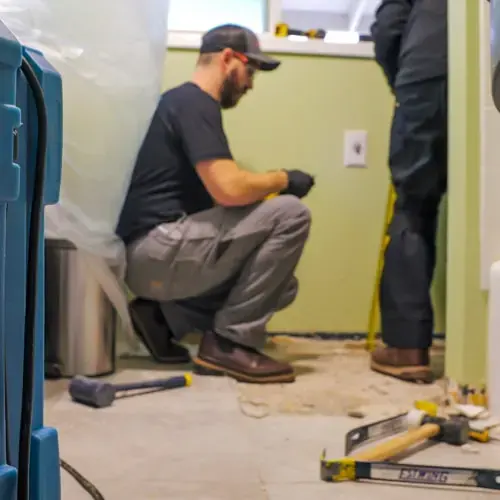
Water damage near the Cowlitz River
The city sits between the Cowlitz River and Interstate 5, mostly on alluvium made of sand, gravel and silt, and Arkansas Creek, Whittle Creek and Salmon Creek all drain into the river inside the city limits. Close to 60 inches of precipitation falls in a year, about 80% of it from October through March.
The local crew handles clean pipe breaks, roof leaks, sewage backups and storm water alike, starting with water extraction, then drying framing, subfloors and walls until readings match a dry reference, and the walkthrough decides what can be saved.
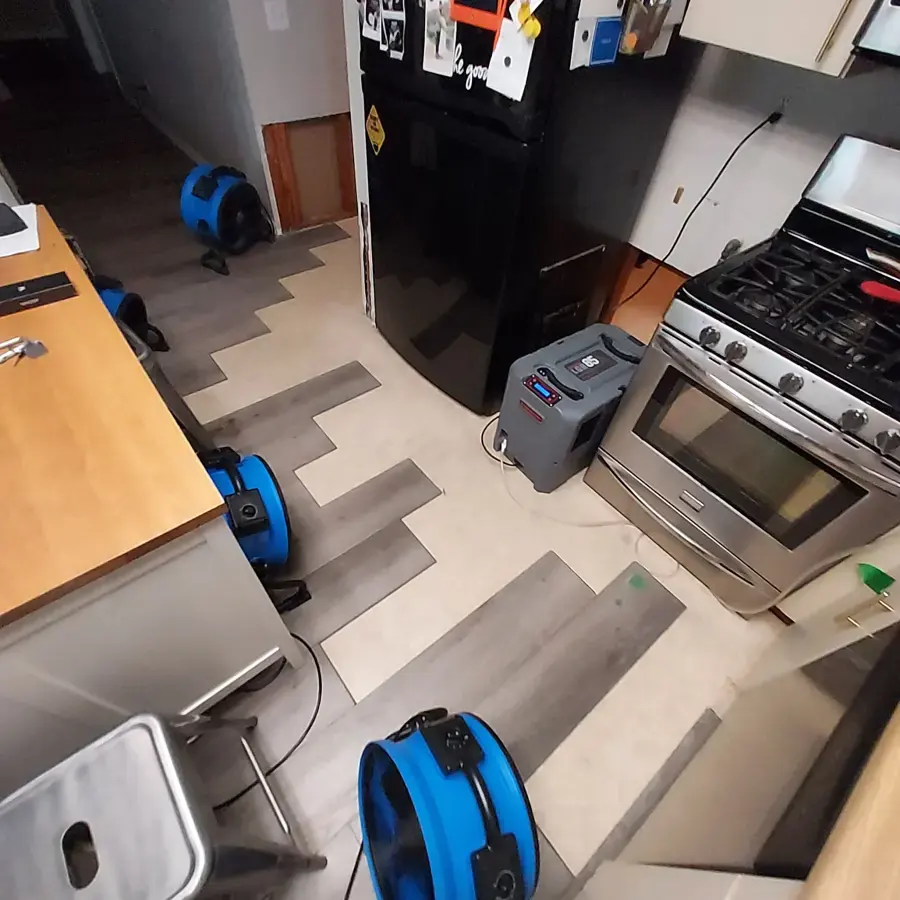
Water that sits in a wall or under a floor does not dry on its own, so the first job is finding where it went and pulling it out.
Services for every kind of water loss
Each service below covers a different source of water, from pipe failures and roof leaks to sewage backups and storm flooding.
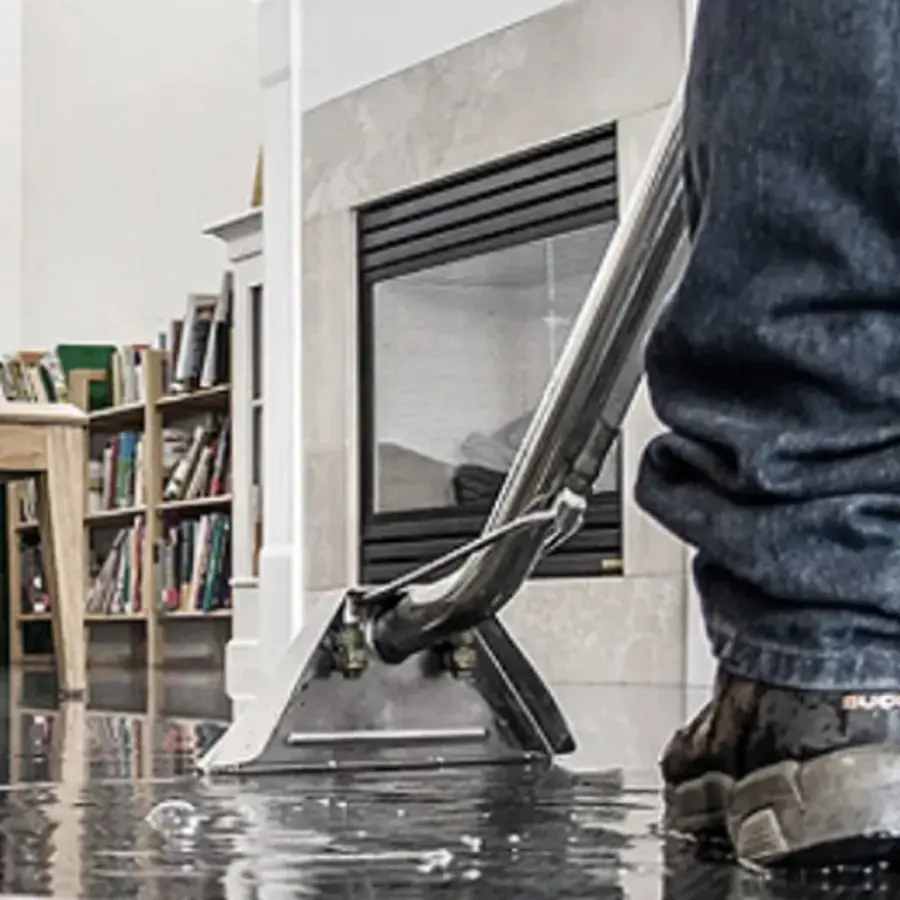
Water Extraction and Removal
Truck-mounted and portable extractors lift standing water out of carpet, pad and hard floors before drying begins.
Read more about this service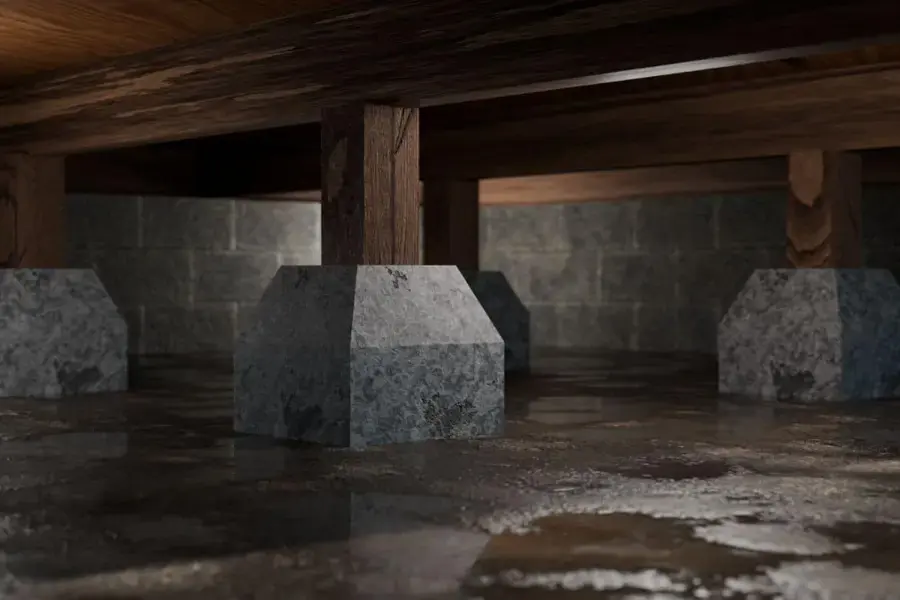
Crawl Space Water Removal
Pumps clear standing water from under the floor, wet insulation comes out and joists dry in place.
Read more about this service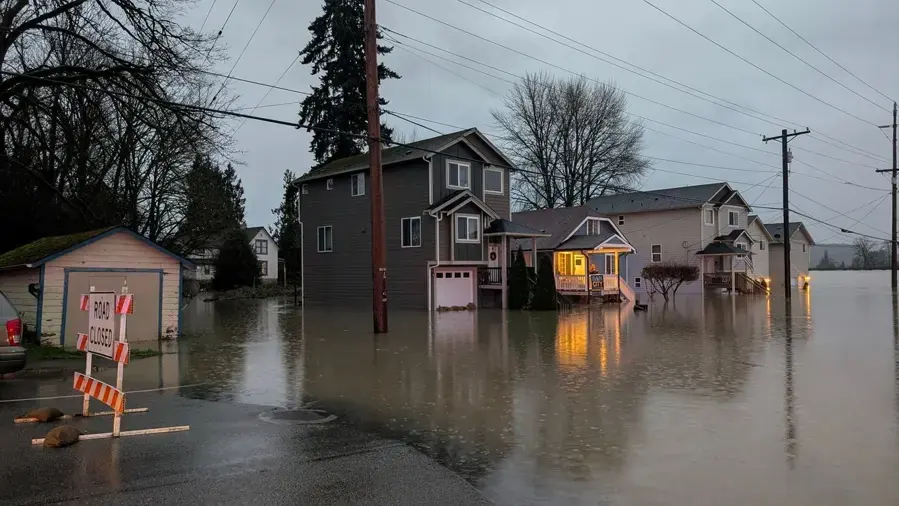
Storm and Flood Water Cleanup
Storm and river water carry silt and bacteria, so debris goes, lower walls are cut and surfaces are treated.
Read more about this service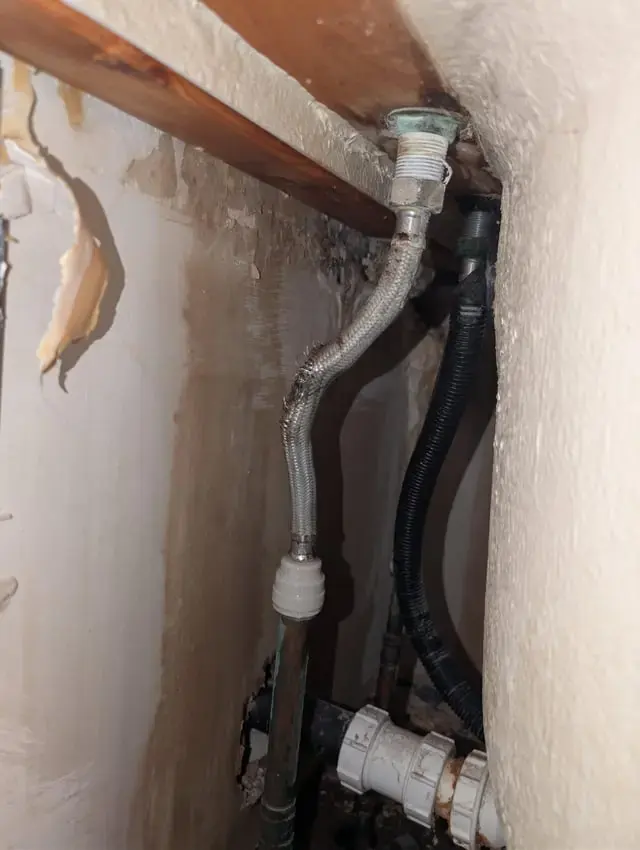
Burst Pipe Water Damage
Shutoff, extraction and cavity drying follow a split pipe, with ceilings and walls opened only where readings demand.
Read more about this service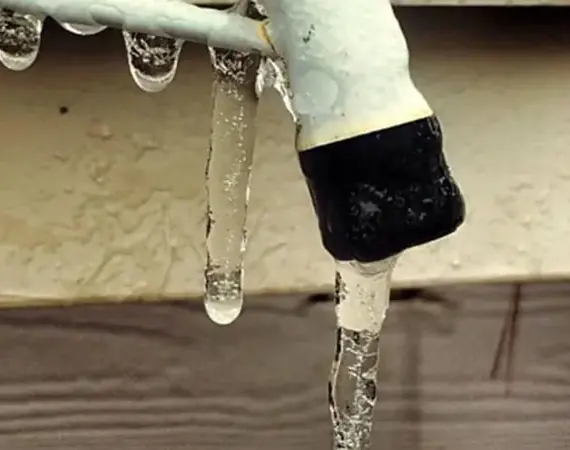
Frozen Pipe Water Damage
Cold snaps split exposed pipes, and the thaw releases water into walls and floors that need drying.
Read more about this service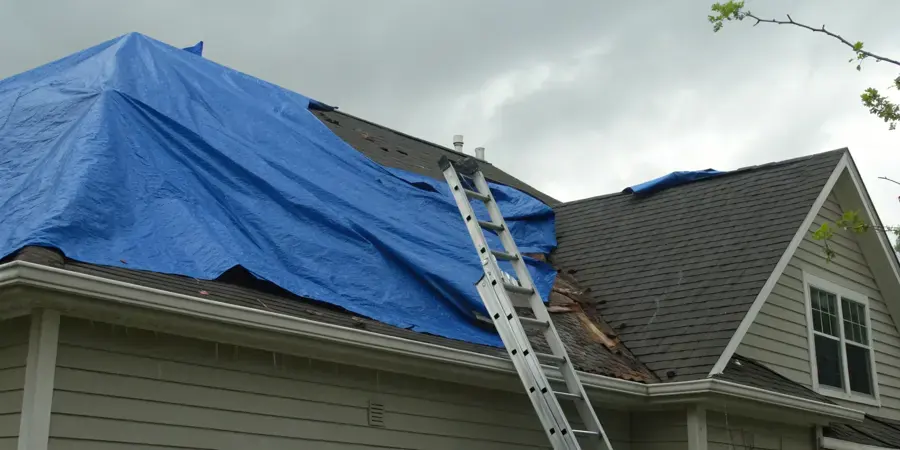
Roof Leak Water Damage
Winter rain finds weak spots in a roof, and wet insulation and ceilings are dried or removed below.
Read more about this service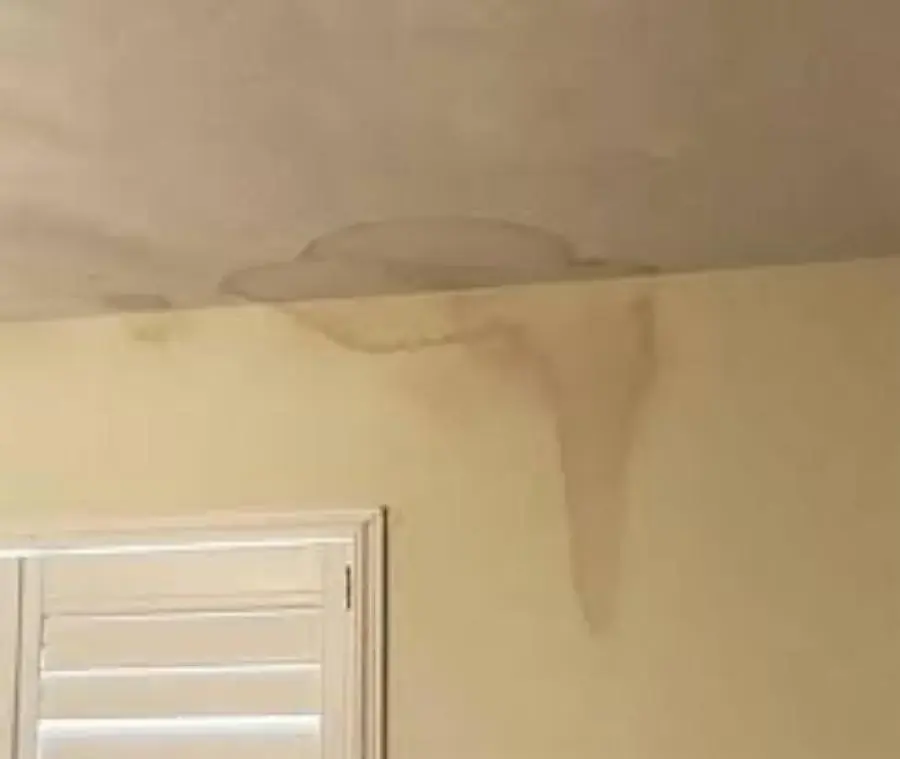
Ceiling Leak Water Damage
A stained or sagging ceiling signals water above, so the source is traced and wet drywall comes down.
Read more about this service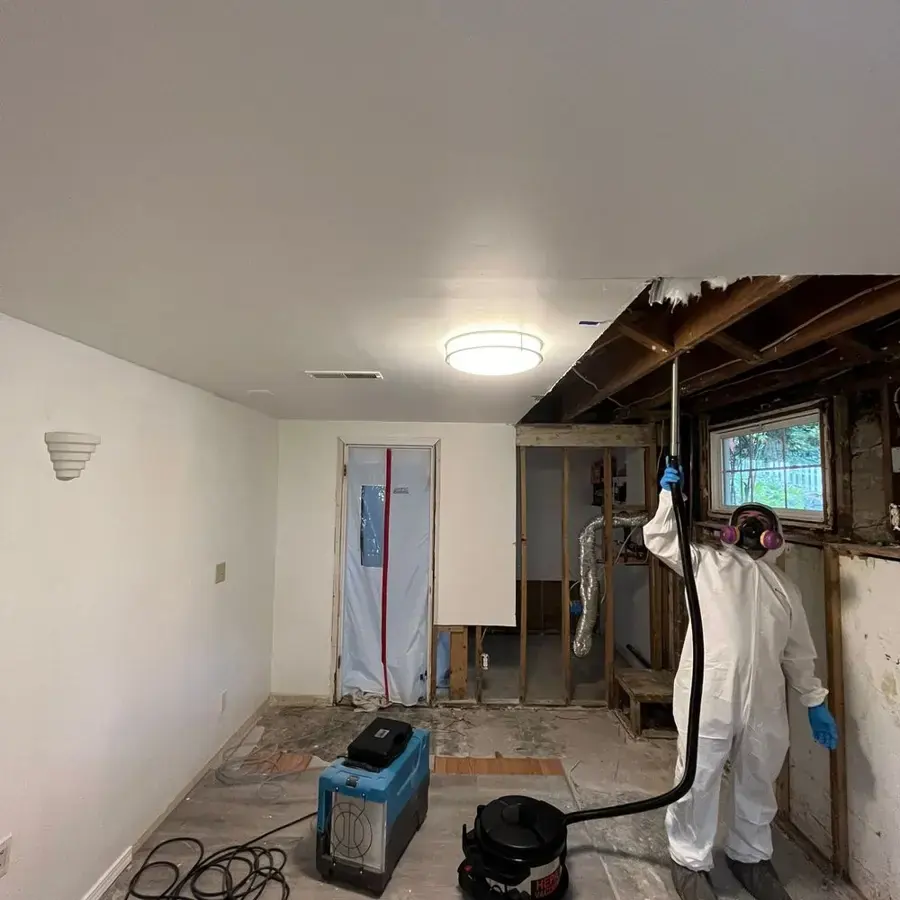
Sewage Backup Cleanup
Sewage backups call for containment, HEPA air scrubbing, removal of porous materials and antimicrobial treatment.
Read more about this service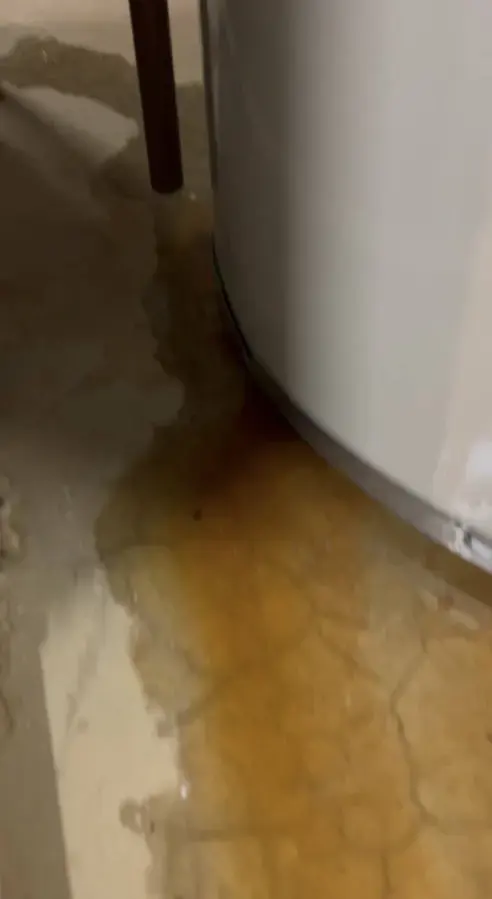
Water Heater Leak Cleanup
A failed tank or fitting can flood a closet or garage, so the crew extracts, dries and checks nearby walls.
Read more about this service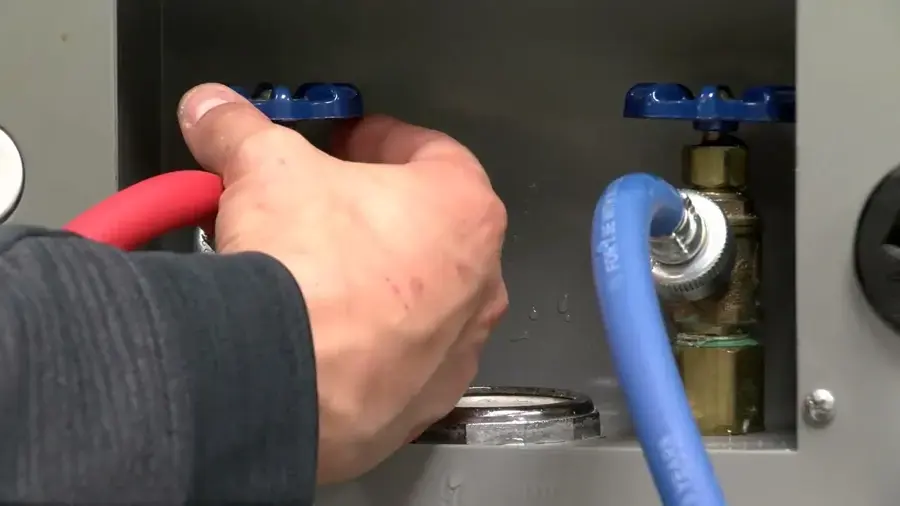
Appliance and Supply Hose Leaks
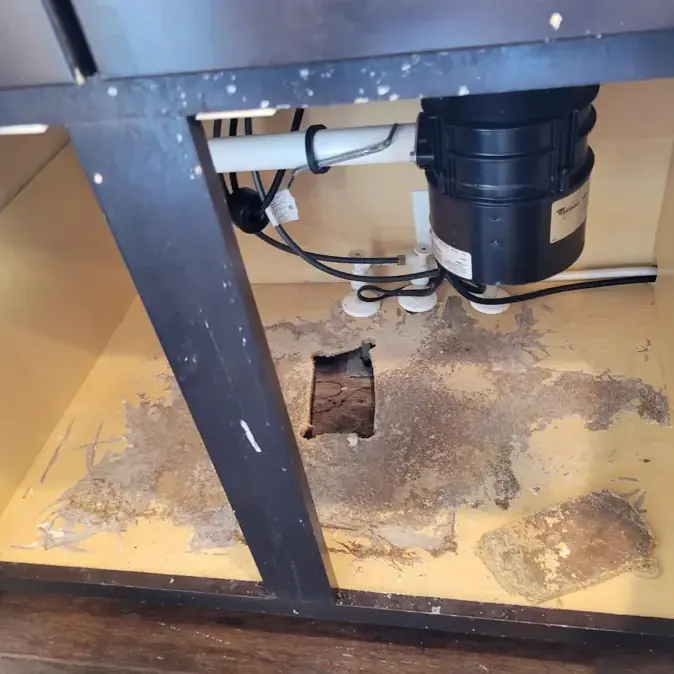
Washer, dishwasher and supply hose leaks hide under cabinets and floors until the crew opens and dries them.
Read more about this service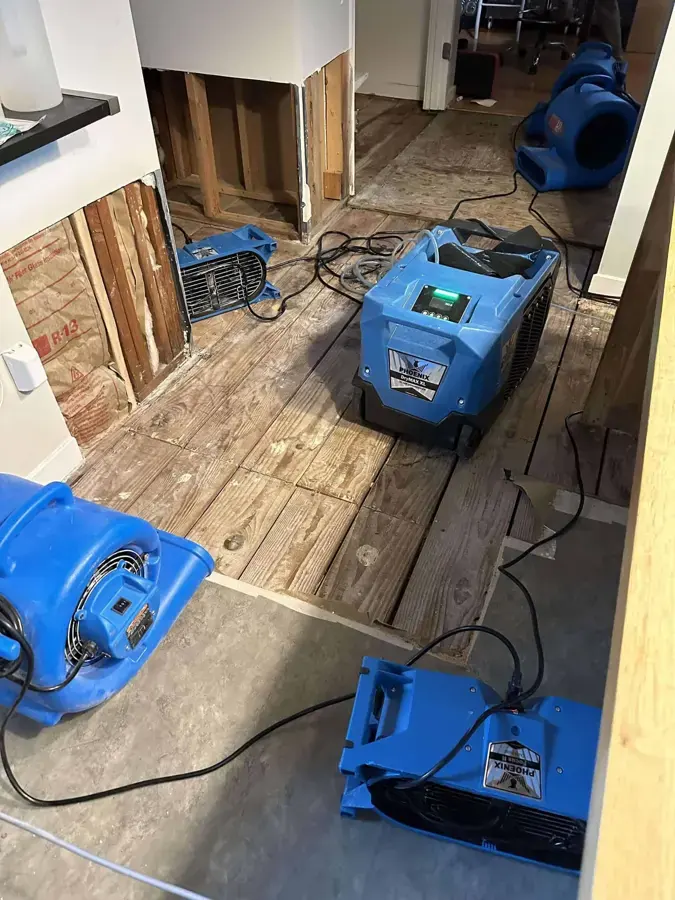
Structural Drying and Dehumidification
Air movers, dehumidifiers and daily readings dry framing, subfloors and concrete to a documented dry reference.
Read more about this service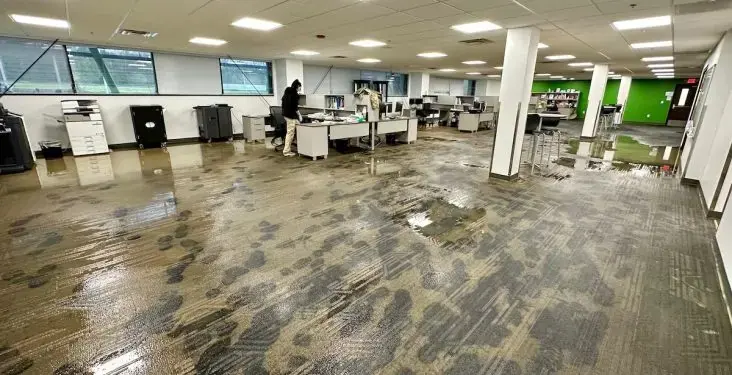
Commercial Water Damage
Shops, offices and highway retail get phased drying by zone, with after-hours work to limit disruption.
Read more about this serviceWhat a careful water response looks like
Rapid local response
Dispatch routes each job to a crew that works across Cowlitz County, so extraction starts with people who already know the area's wet winters and river conditions.
Right-sized drying gear
The crew picks air movers, dehumidifiers and extractors to match the water and the materials, then adjusts the setup as moisture readings change.
Claim-ready documentation
Photos, moisture maps and daily readings build a record that a homeowner can hand to an adjuster without reconstructing what happened.
Local water know-how
Wet winters, river alluvium and Cowlitz flood stages shape how the team plans extraction and drying for homes and businesses here.
Gear the drying team brings
- Truck-mounted extractors lift standing water out of carpet and hard floors.
- Low-grain refrigerant dehumidifiers pull moisture from the air through the long wet season.
- Axial and centrifugal air movers push dry air across wet floors and wall bottoms.
- Moisture meters and thermal cameras map hidden wetness behind walls and under floors.
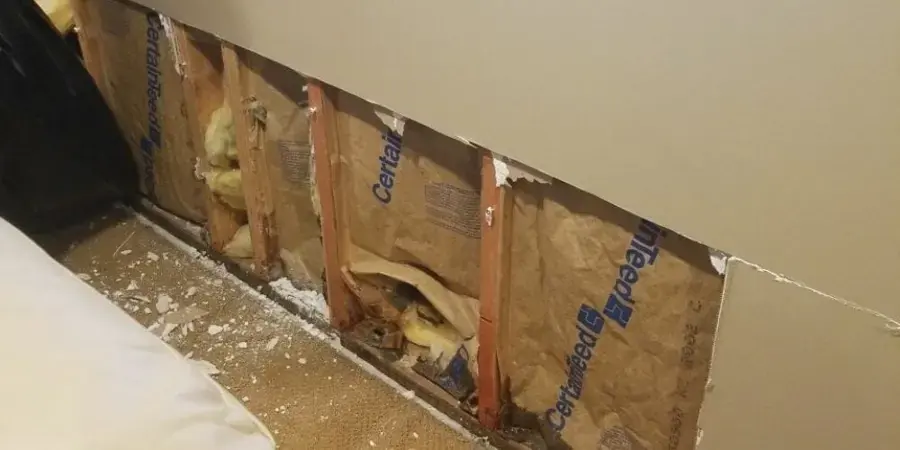
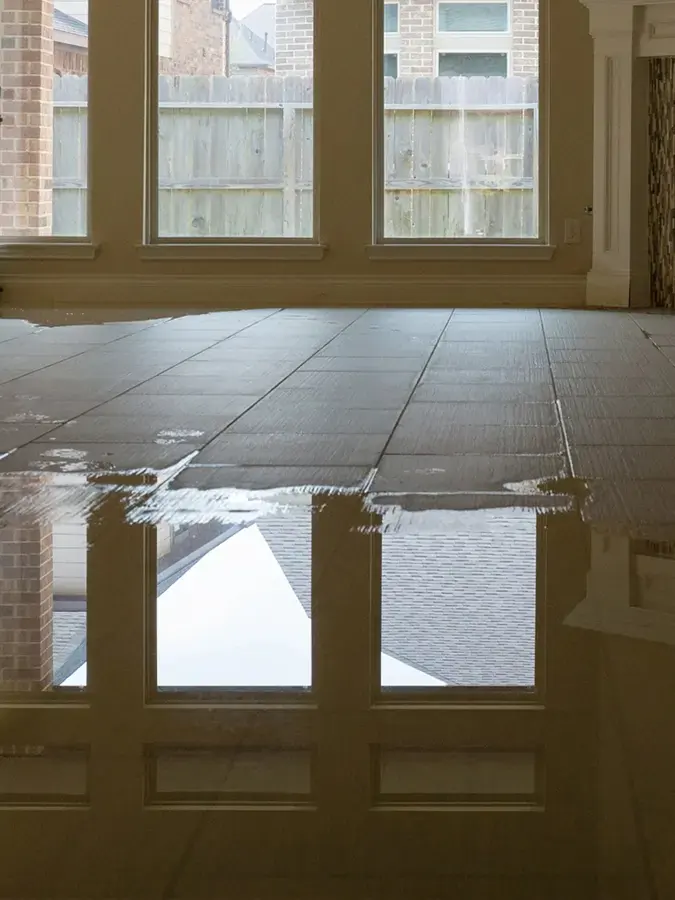
What water damage work looks like up close
What water damage cleanup usually costs
A contained loss usually runs $1,200 to $3,000, a moderate loss $3,000 to $6,500 and a major loss $6,500 to $15,000+, with the final figure set by area wet, water category and drying days.
Contained loss
- One room of wet flooring
- Extraction and air movers
- Daily moisture readings
Moderate loss
- Several rooms affected
- Wet drywall cut out
- Dehumidifiers running
Major loss
- Whole floor or lower level
- Soaked materials removed
- Complete claim file
Extraction first, then controlled drying
The crew removes bulk water, maps moisture with meters, sets drying equipment and logs readings until walls, subfloors and framing reach the dry reference the job started with.
Water damage and insurance claims
Sudden events such as a burst pipe, a failed water heater or a storm-driven roof leak are often covered by a homeowners policy, though terms differ from one insurer to the next.
Rising river water is normally treated as flood, which falls under separate flood coverage, so a homeowner confirms the details with the insurer before work is scoped. Photos and logs from the crew help support the claim.
Areas served around Castle Rock
The crew serves the city, from downtown to the Exit 49 area and west of the river at Four Corners.
ZIP code covered
ZIP code 98611 is the one the city uses, and jobs just outside the city limits in nearby Cowlitz County are taken too.
In town
More local areas
Nearby cities
Reach a restoration crew when water is loose
Dispatch takes the details of the loss, notes whether the water looks clean or contaminated and sends a crew that works in Cowlitz County to begin extraction.
What to do first while help is arranged
- Shut off the water at the main valve if a pipe is the source.
- Turn off power to wet rooms if it is safe, and stay out of standing water near outlets.
- Lift small valuables and loose items off wet floors and furniture.
- Photograph the damage before anything is moved, then notify the insurer.
Clean, gray and black water
Restorers sort water into three categories by contamination level, and the category decides how much material comes out and how the area is cleaned.
Category 1 clean water
Supply pipes, water heaters and fresh rain through a roof start clean, and prompt extraction and drying often saves flooring, drywall and baseboards.
Category 2 gray water
Washing machine overflow, dishwasher discharge and clean water left standing carry some contamination, so porous materials like carpet pad and some insulation usually come out.
Category 3 black water
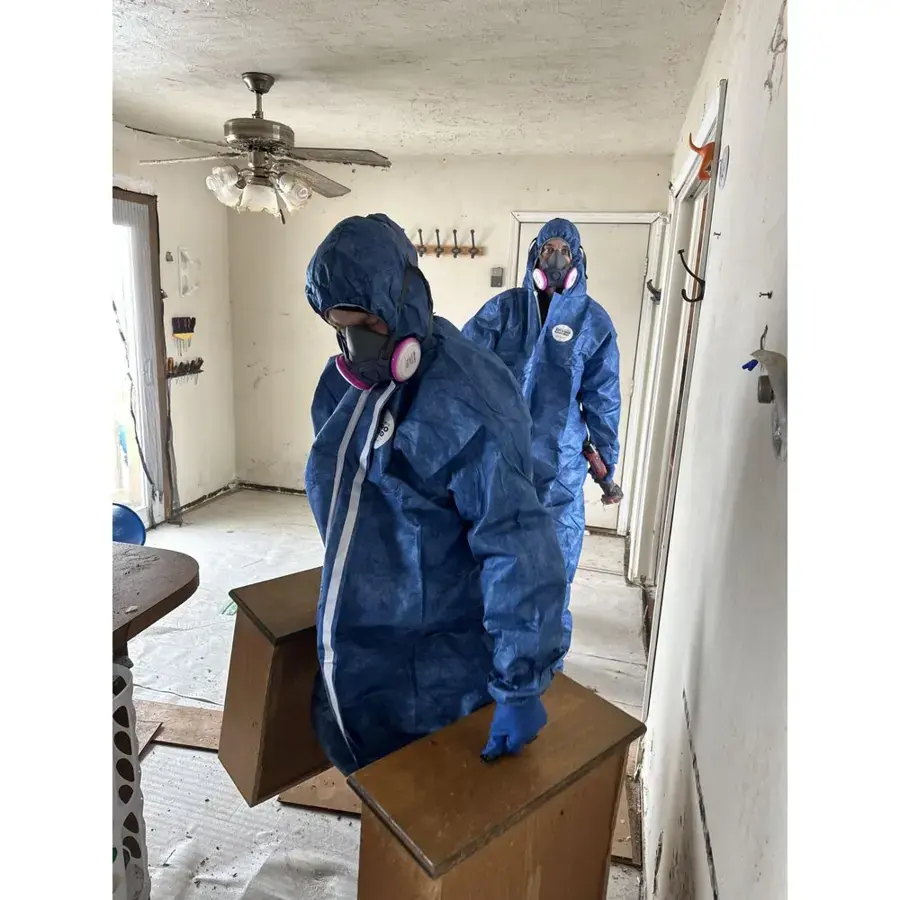
Sewage, river flood water and long-standing wetness carry harmful bacteria, so affected materials are removed, surfaces are treated and the whole area is contained.
Sewage backup cleanupWater risks specific to this area
Four local conditions shape how water damage tends to happen here.
Cowlitz River flood stages
The National Weather Service sets minor flood stage at 48 feet, moderate at 54 and major at 57, and flooding of buildings and residential areas begins at 51 feet west of the river along Highway 411 and around Four Corners.
Mount St. Helens sediment
The city's Public Works director told FOX 13 in December 2025 that sediment from Mount St. Helens keeps building up in the Cowlitz River and leaves large sandbars when the water drops.
Heavy winter rain
Close to 60 inches of precipitation falls in a year, about 80% of it from October through March, so roof leaks, saturated ground and storm water gather in the cool months, not the summer.
Rain and the sewer system
The 2003 city sewer plan looked at the extra flow that rainfall and high groundwater add to the sewer system, which is why heavy storms matter for sewage backups in older pipe.
Water damage questions from local homeowners
Need help with water now?
Dispatch is ready to talk through the loss and send a restoration crew to the property.
(888) 509-1696 Call dispatch nowWhat happens first when a pipe bursts in a home?
The water is shut off at the main valve, then the crew extracts standing water, moves furniture and maps moisture in walls and floors with meters. Drying equipment goes in once the wet areas are known, and photos are taken for the claim. Moisture mapping continues until the whole wet area is known.
Which Cowlitz River heights put buildings at risk?
The National Weather Service sets minor flood at 48 feet, moderate at 54 and major at 57. Buildings start to flood at 51 feet, mostly west of the river, and at 57 feet the levee that protects the city may overtop or weaken.
How high have recent river crests reached?
Provisional gauge readings show 49.01 feet in January 2022, 48.18 feet in December 2025 and 48.08 feet in March 2026, each just over the 48 foot minor stage, where the National Weather Service expects flooded roads and low-lying farmland.
Why does wet drywall need attention so quickly?
Wet drywall, insulation and wood can start growing mold within 24 to 48 hours, so extraction and drying come first, and anything too saturated to dry in place is cut out. The crew documents each reading so the drying decision is clear.
Is water from a roof leak clean?
Fresh rain starts clean, but it picks up dirt and contamination as it crosses attic insulation and old materials. The crew tests how far it spread and removes wet insulation and ceiling drywall that cannot be dried. Ceiling stains often mean wet insulation above.
What does a sewage backup cleanup involve?
Sewage backup cleanup means containment, HEPA air scrubbers, removal of soaked porous materials and antimicrobial treatment. A plumber or Public Works can help sort out whether the blockage sits in the home's drain or farther out.
Can the crew work in shops and offices too?
Yes. Commercial water damage gets phased drying by zone and after-hours work when needed. The city plan names downtown and the Exit 49 area as commercial centers, so storefronts and highway retail fit that work.
How is the final cost decided?
Price follows the area wet, the water category and the number of drying days, inside the ranges shown above. A moisture map from the walkthrough lets the crew scope the work before it starts. The crew explains the range before drying begins.
What should be done after a cold night splits a pipe?
Shut the main valve, open a faucet to drain the pipes and notify dispatch. The city plan puts the January average low at 31.8 degrees, so exposed pipes in a cold snap are a real risk. Thawing can release water fast once ice gives way.
Can water in one apartment reach the unit below?
It can. Water travels down through floor framing into ceilings below, so the crew checks the unit under a leak and dries both. Multi-family housing exists in town, so shared floors and ceilings are part of the picture. Water in a wall cavity can travel sideways as well.
Get Castle Rock water damage under control
Dispatch connects the property with a restoration crew that extracts the water, opens wet materials and dries the structure while documenting each step for the claim.
(888) 509-1696Talk to dispatch about the water