Water Damage Restoration in Kelso, WA
24/7 water damage restoration in Kelso, WA. The restoration team pulls out standing water, dries floors, walls and framing to the IICRC S500 goal and records each step for your insurance claim.
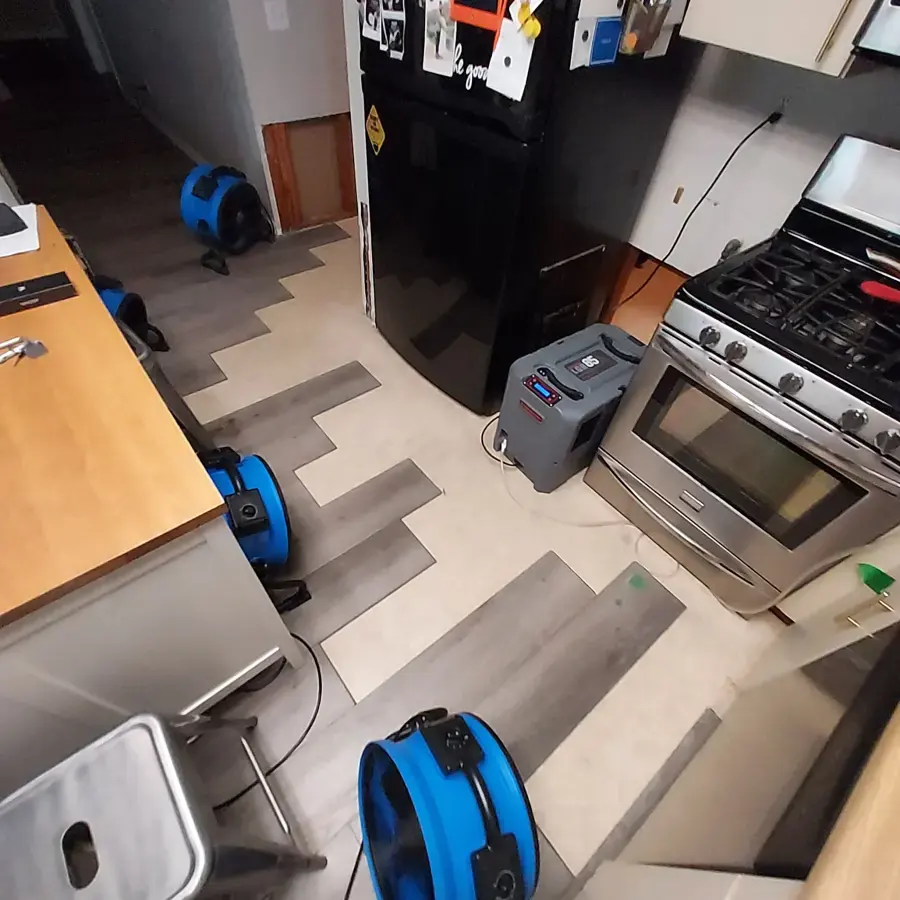
Water damage spreads after the source stops
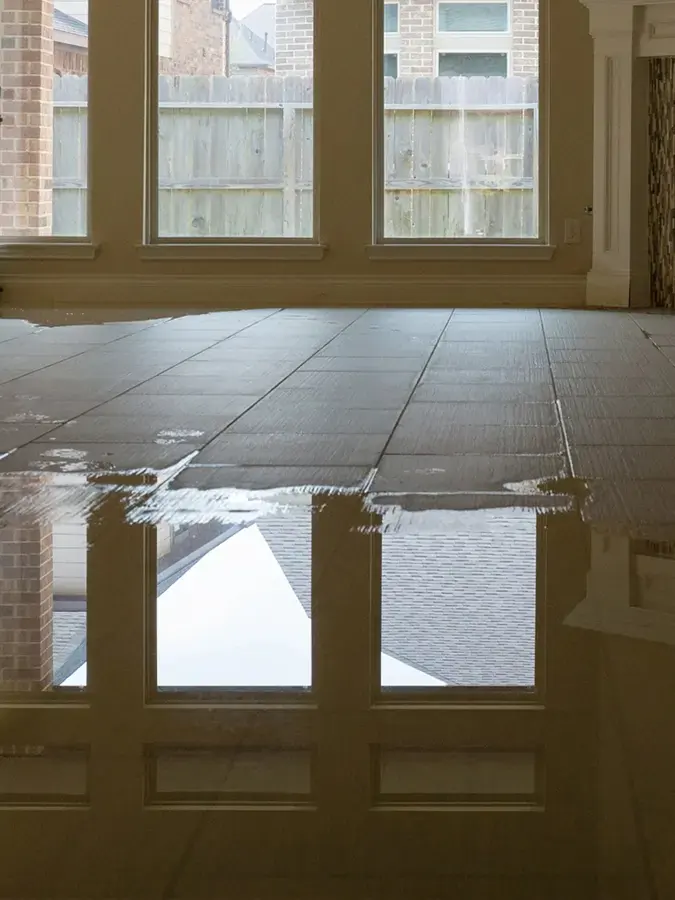
A failed water heater, a split supply hose or water off the Cowlitz does not stay where it starts. It travels under flooring, climbs drywall and settles into subfloor and framing, and wet winters here keep those materials damp for days.
Kelso water damage pros bring truck-mounted extraction, LGR dehumidifiers and air movers to the job. The walkthrough tech maps moisture first, the drying team works to the IICRC S500 goal, and the readings from each day go into the file the adjuster works from.
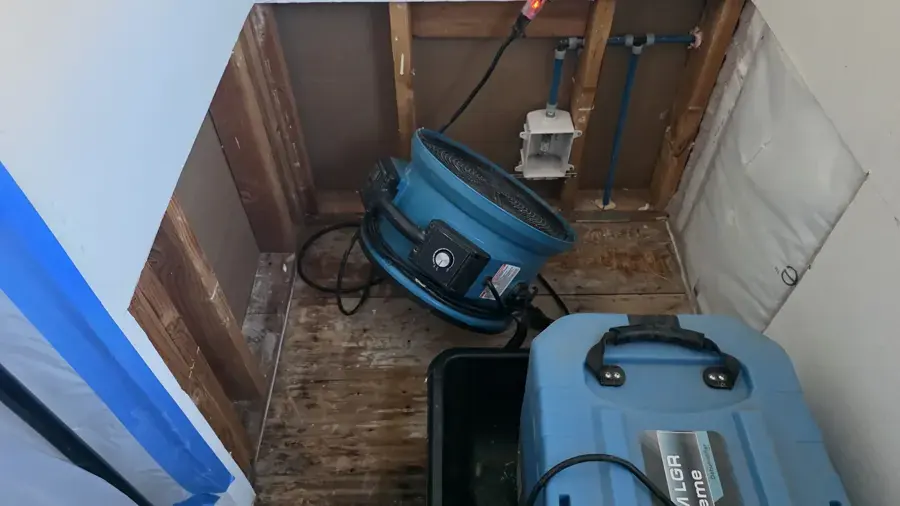
Where the Columbia, Cowlitz and Coweeman rivers meet, the first hours decide how much flooring, framing and subfloor the drying team can still save.
Water Damage Restoration Services in Kelso, WA
Twelve water services for Kelso homes, rentals and businesses, from emergency extraction to structural drying and sewage cleanup.
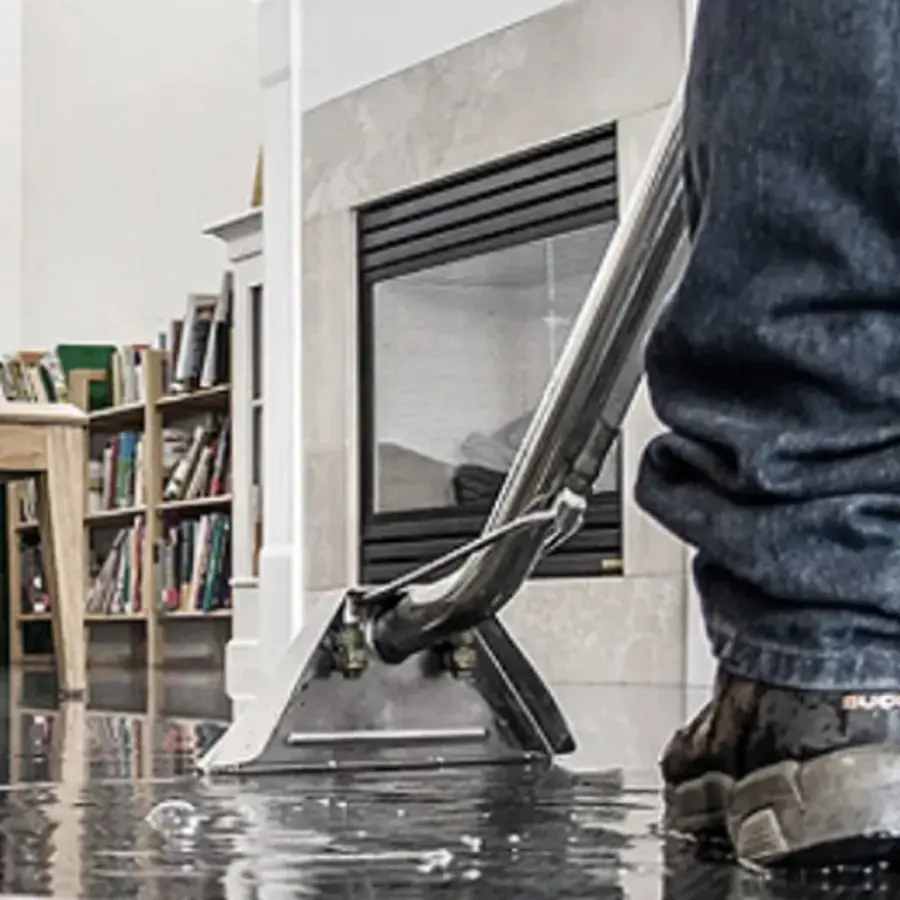
Water Extraction and Removal
Truck-mounted and portable units pull standing water off floors before it reaches pad, drywall and subfloor.
How the work is done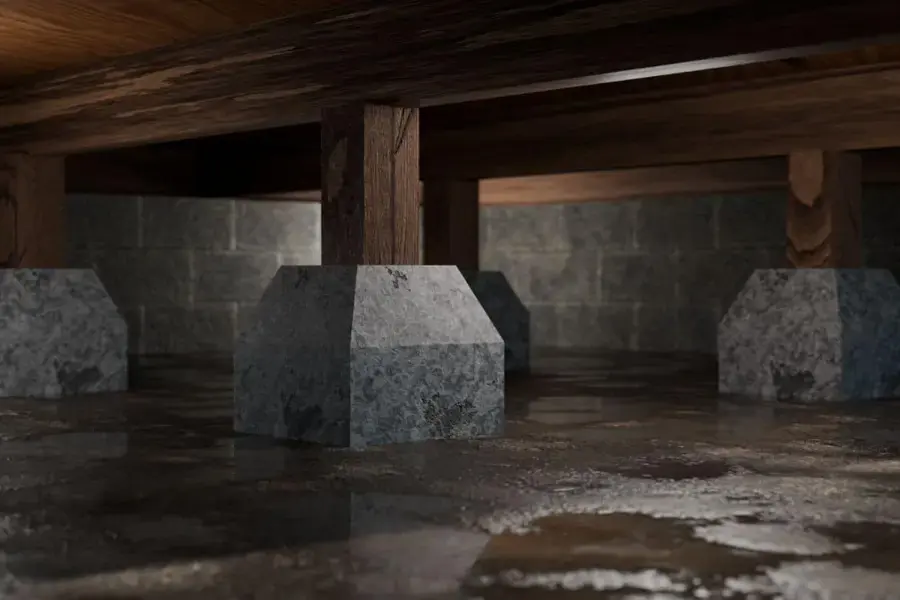
Crawl Space Water Removal
Water pooled under raised floors pumped out, wet insulation pulled and joists and beams dried where they sit.
How the work is done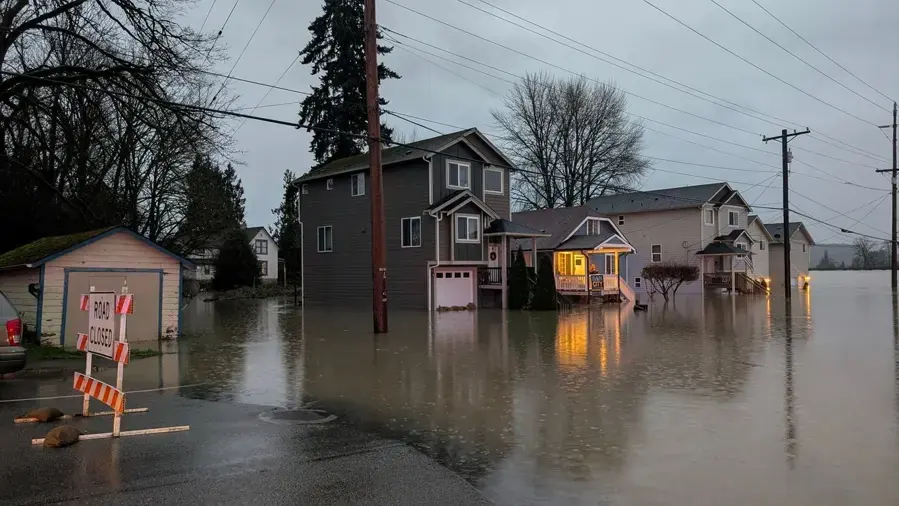
Storm and Flood Water Cleanup
River and rain water treated as Category 3, removed from lower floors and walls, cleaned and dried.
How the work is done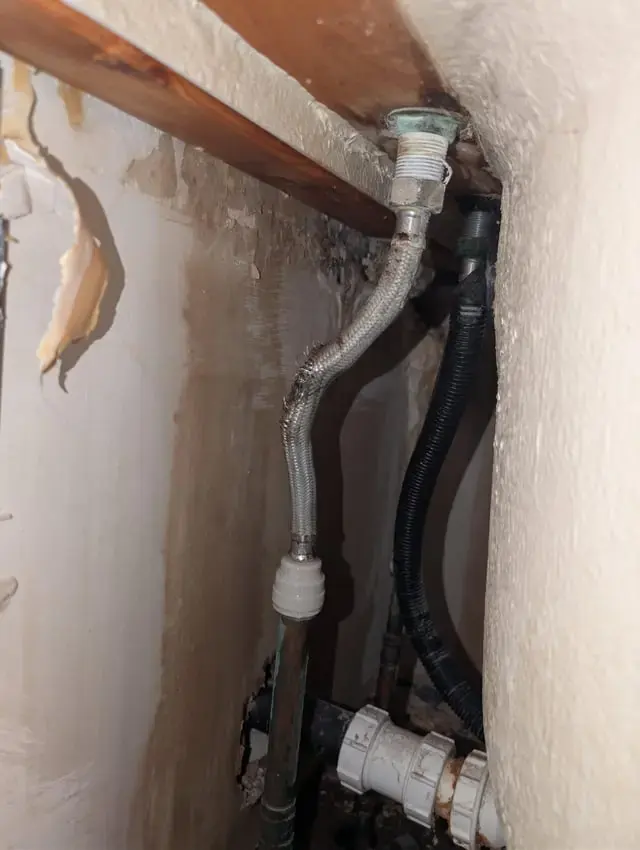
Burst Pipe Water Damage
Failed supply pipes inside walls and ceilings traced, wet cavities opened and the framing dried to a reference.
How the work is done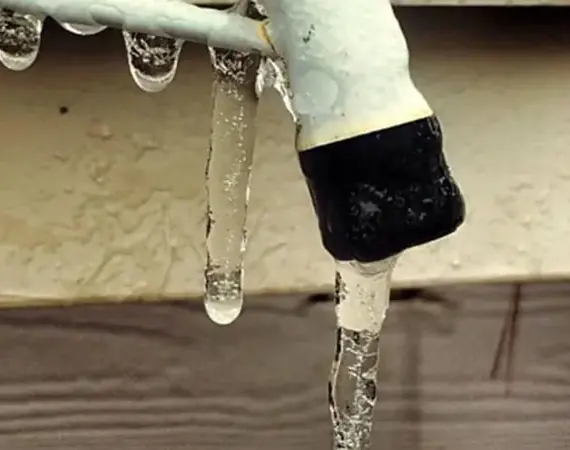
Frozen Pipe Water Damage
Pipes split by a hard freeze found at the thaw, and the walls, floors and crawl space dried.
How the work is done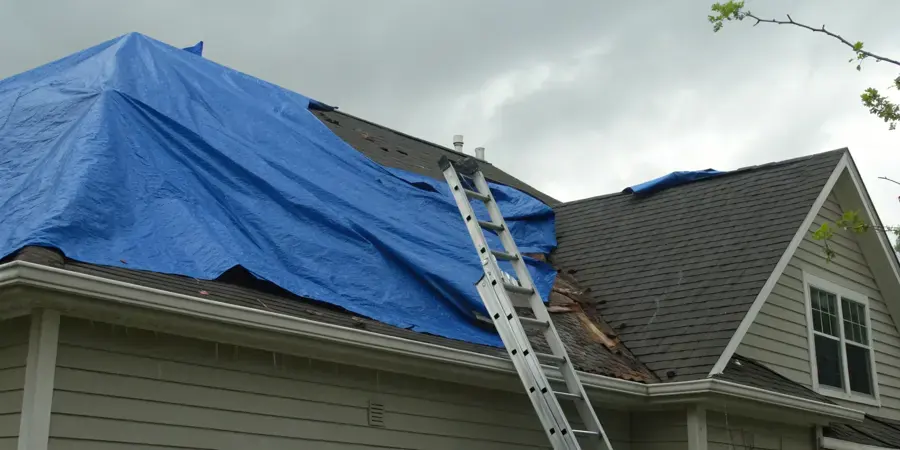
Roof Leak Water Damage
Rain that gets past the roof tracked through the attic, wet insulation removed and ceilings dried.
How the work is done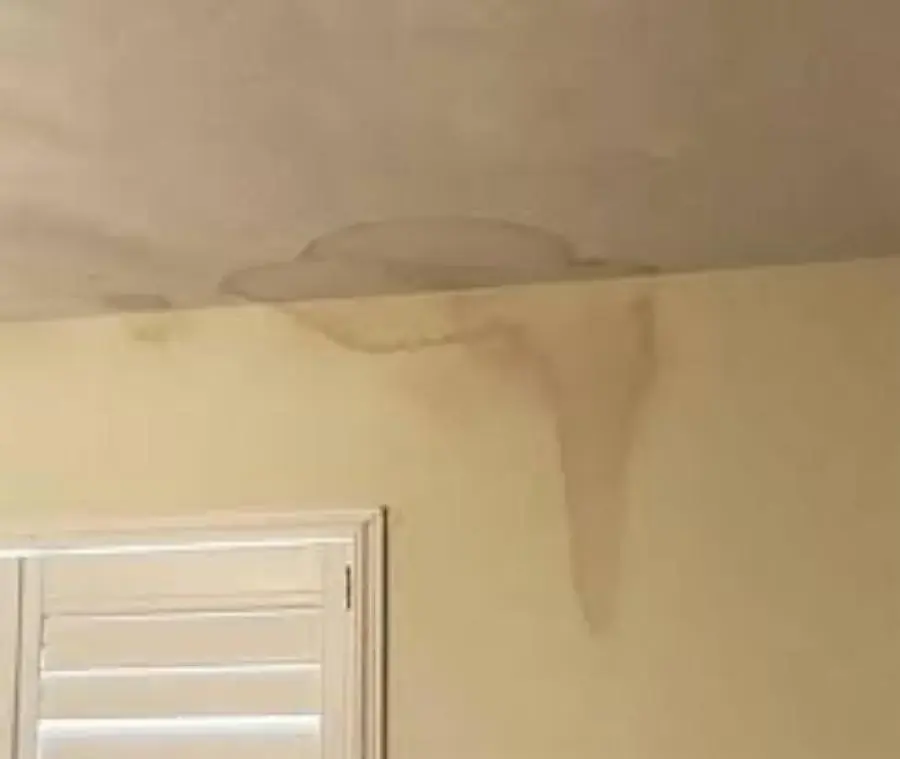
Ceiling Leak Water Damage
Leaks from a bathroom, pipe or upstairs unit drained from the ceiling and the joist bays dried.
How the work is done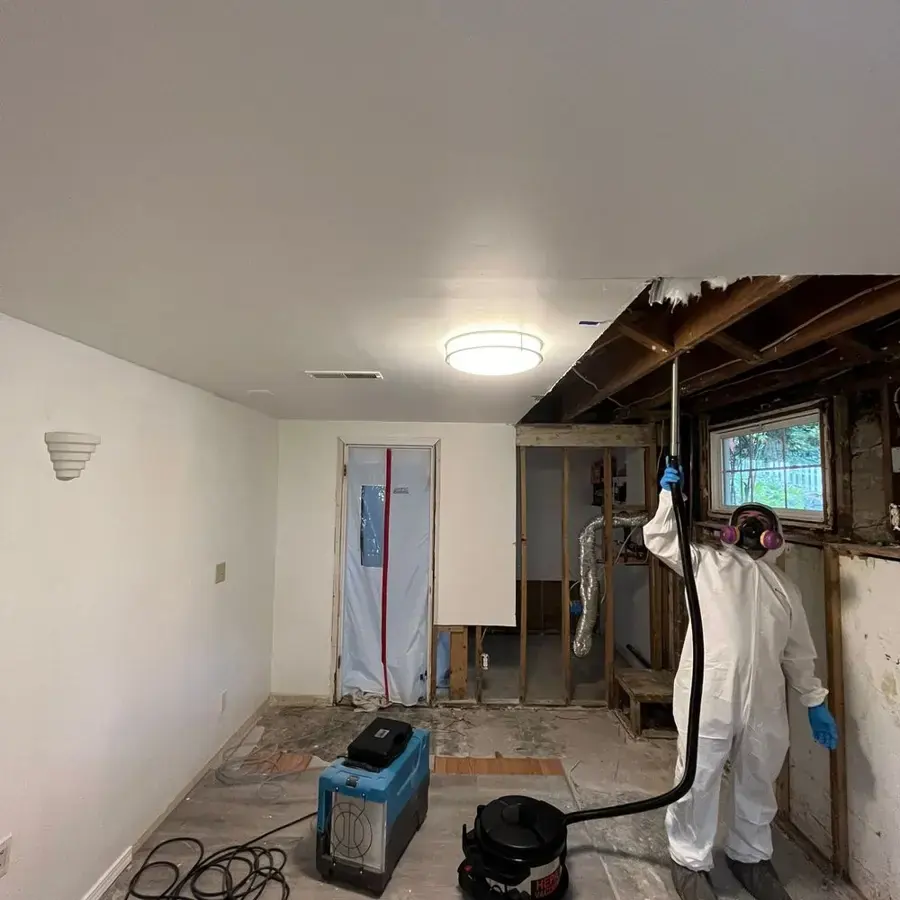
Sewage Backup Cleanup
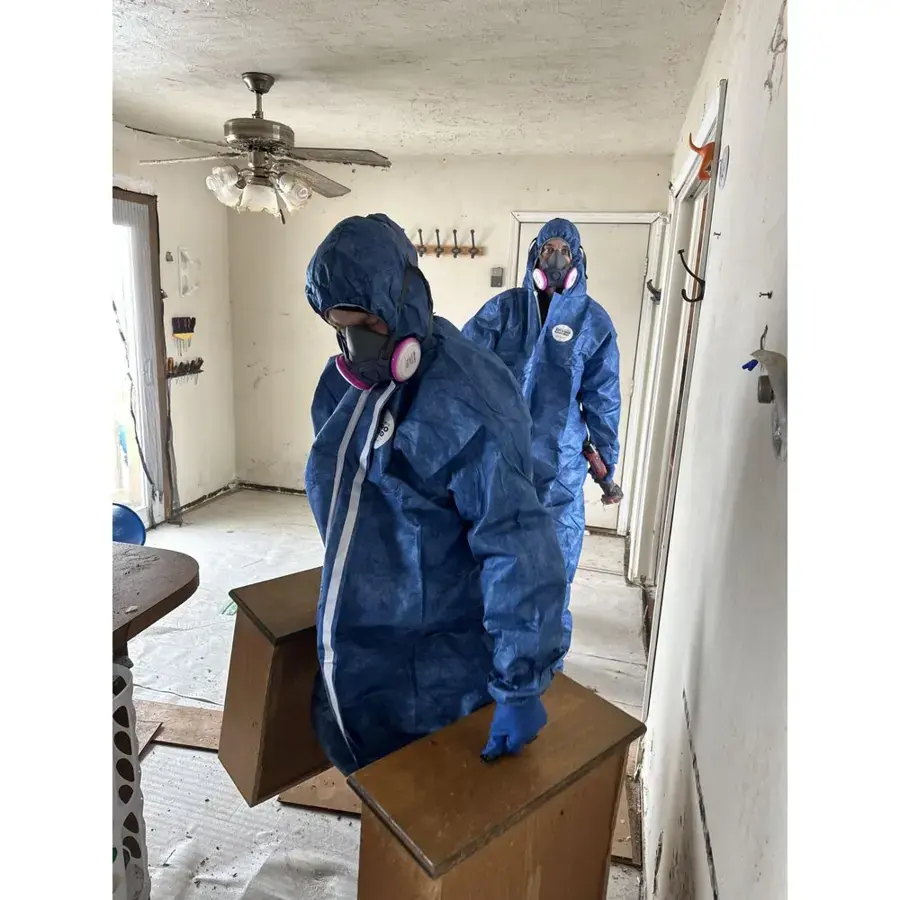
Toilet and drain backups handled as Category 3 with protective gear, removal and an antimicrobial.
How the work is done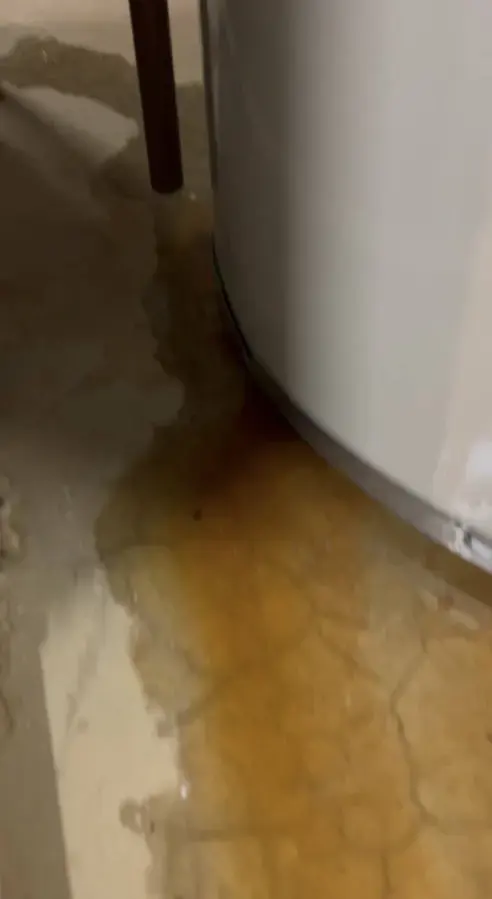
Water Heater Leak Cleanup
Leaking tanks and fittings in garages and closets extracted before cabinets and drywall soak through.
How the work is done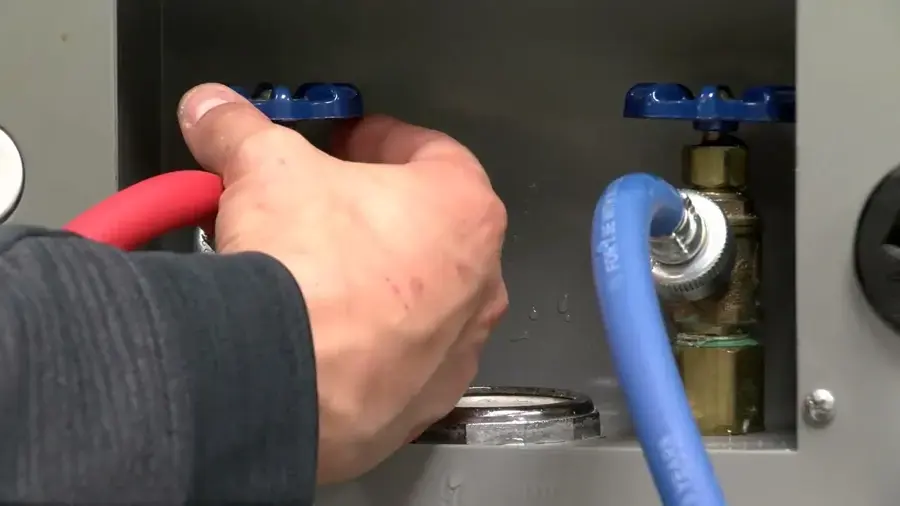
Appliance and Supply Hose Leaks
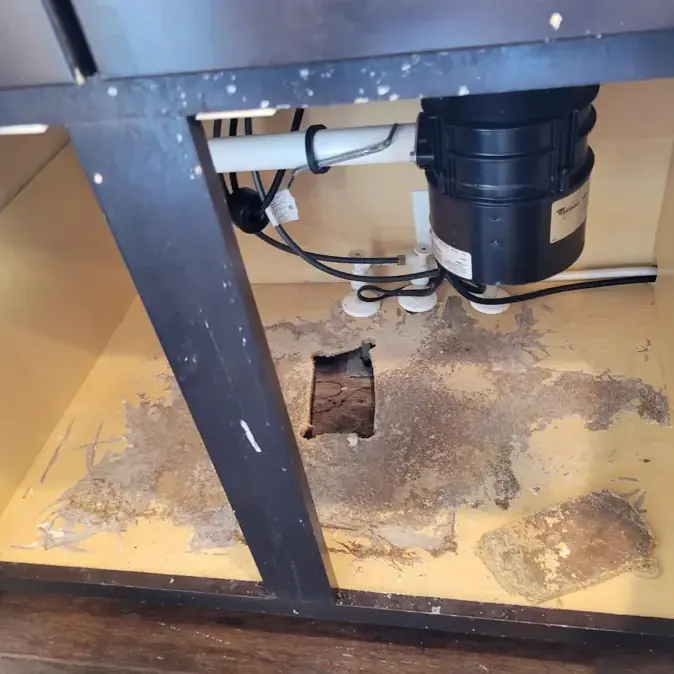
Washer, dishwasher and ice maker hose leaks dried out from under cabinets and flooring.
How the work is done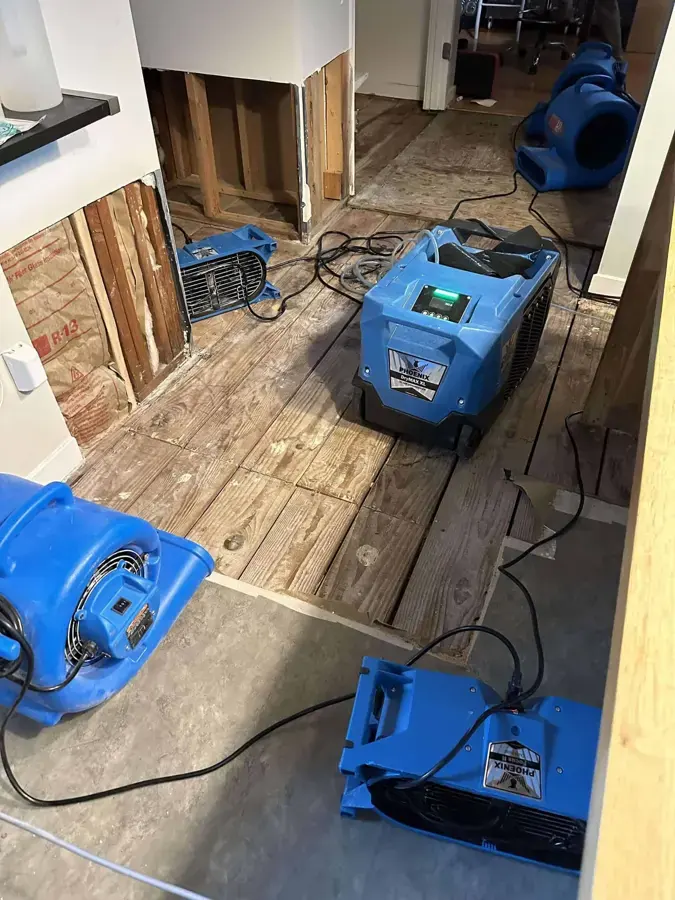
Structural Drying and Dehumidification
Subfloor, framing and concrete dried with LGR dehumidifiers and air movers to a measured goal.
How the work is done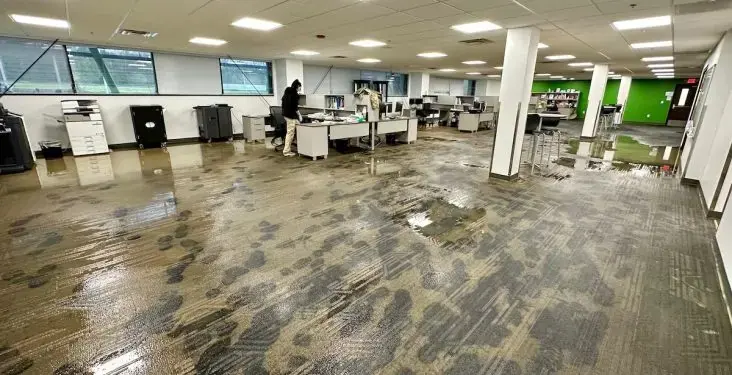
Commercial Water Damage
Shops, offices and rental buildings dried zone by zone so business can keep going.
How the work is doneHow every local water loss is handled
Rapid local response
Crews head out at any hour, weekends and holidays too, because active water does more harm with every hour it sits in a home.
IICRC S500 drying standard
Each dry-out follows the industry drying standard, with the number of machines set by how much water the materials took on.
Claim-ready documentation
The walkthrough tech records timestamped photos, a moisture map and daily readings before demolition, so the adjuster sees the whole loss.
Local water know-how
Local water damage pros work around river flood stages, wet winters and an older, rental-heavy housing stock every season.
Drying equipment used on local jobs
- Truck-mounted extraction clears standing water from floors and crawl spaces quickly.
- LGR dehumidifiers pull water out of damp winter air so materials keep drying.
- The drying team aims air movers at each room's evaporation load, along walls and under cabinets.
- Thermal imaging and pinless meters find water that hides behind walls and under floors.
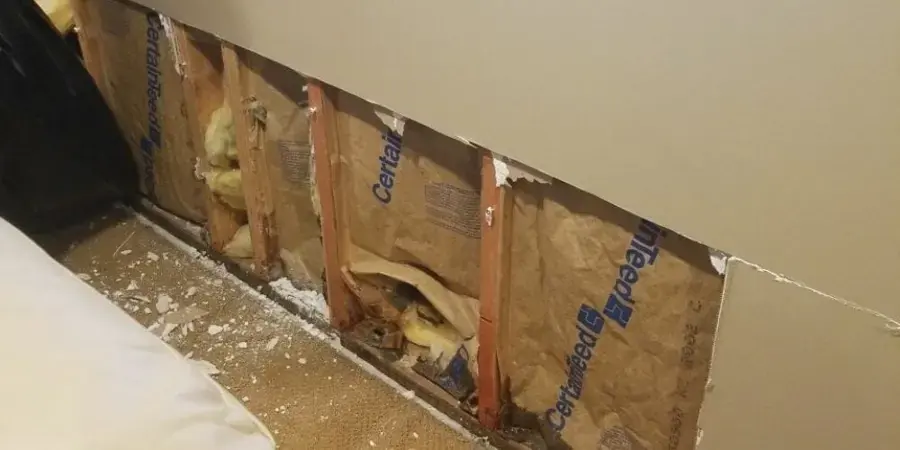
What a water damage dry-out looks like
What does water damage restoration cost in Kelso, WA?
Water damage jobs here most often land between $1,200 and $6,500. The category of water, how many square feet got wet, which materials soaked it up and how soon drying started move the price, and Category 3 work costs more.
Contained loss
- One or two rooms of clean water
- Caught early and dried in place
- Extraction plus drying equipment
Moderate loss
- Several rooms or under the floor
- Wall cavities and subfloor dried
- Readings logged every day
Major loss
- Wide spread or Category 3 water
- Soaked materials removed
- Complete claim file
Water damage dried to the IICRC S500 standard
IICRC S500 is the drying standard the industry follows. Before setting equipment the drying team maps moisture, and the machines keep running until materials read within 2 to 4 points of a dry reference.
Documentation for your insurance claim
A claim file holds the moisture map, psychrometric logs for each drying day, photos stamped with the date and time before demolition, the category and class of the water, and an itemized scope.
Policies usually treat a sudden release, like a burst hose, as covered, while water rising from the Cowlitz or Coweeman normally falls under separate flood insurance. Coverage depends on your policy, so check with your own insurer.
Water damage restoration across Kelso and nearby cities
Water damage pros cover ZIP 98626, from downtown and the west side to Aldercrest and Rose Valley, day or night.
ZIP code covered
If your street is not listed, call anyway. Every street in town and the neighboring cities sits inside the response area.
Neighborhoods
Around the city
Nearby cities
One call reaches water damage pros at any hour
Water damage pros cover the whole city, from downtown and the Hall of Justice area to Aldercrest, day and night. One call puts extraction and drying on the schedule.
What to do while the water is still moving
- Close the main water valve, or the shutoff at the fixture that failed.
- Switch off the breaker for any wet room you can reach without standing in water.
- Get rugs, cords and valuables off the wet floor and take photos.
- Call dispatch right away, since standing water spreads further every hour.
All water damage categories covered
The restoration team handles every category of water to IICRC S500, from clean to black, and the category settles what dries in place and what gets removed.
Category 1, clean water
Supply pipes, water heaters and split hoses release clean water. Pulled out quickly by the extraction crew, it dries in place before bacteria turn it into a dirtier category.
Category 2, gray water
Washers, dishwashers and overflowing fixtures release gray water that carries contamination, so the drying team cleans or replaces soaked pad and other porous materials.
Category 3, black water
Sewage, drain backups and water that crossed the ground from a river or storm. The mitigation team sets containment, removes porous materials and disinfects every surface.
Sewage backup cleanupWhy local homes take on water
The water risks here come from the rivers, the wet winters and the older housing.
Three rivers and a levee
The city sits where the Columbia, Cowlitz and Coweeman rivers meet. A CDID #1 levee separates downtown from the Cowlitz, and the river reaches flood stage at 21.5 feet on the gauge near the Hall of Justice.
Sediment and flood risk
Army Corps documents say sediment that settled in the Lower Cowlitz River after the Mount St. Helens eruption in 1980 greatly raised flood risk for this city, Longview, Castle Rock and Lexington.
Wet winters
The climate station at Southwest Washington Regional Airport records about 43 inches of precipitation a year, and December and January are the wettest months, when roofs, gutters and drains take the most water.
Older, rental-heavy housing
The city plan describes an older housing stock with a high share of rentals. Survey data from 2007 to 2011 put half of the city's housing units in buildings from before 1960, where one leak can reach a neighbor.
Questions local homeowners and renters ask
Water spreading right now?
Close the main valve if you can reach it, then call. Dispatch runs around the clock.
(888) 509-1696 Call Kelso dispatchHow quickly can a crew get to a home in town?
There is no set clock, because timing depends on the hour and on how many homes one storm or river rise affects. What does not change: dispatch runs 24/7 and active water is treated as an emergency, so call the moment you find it.
Will insurance pay for water damage in a house or apartment?
Homeowner policies often pay for sudden, accidental water such as a burst supply pipe once the deductible is met. River flooding usually needs a flood policy, and a renter's policy protects belongings rather than the building. Coverage depends on your policy, so check with your own insurer.
How much does water damage cleanup cost here?
Expect somewhere between $1,200 and $6,500 for most local jobs, with crawl space, ceiling and Category 3 work landing higher. Try the cost calculator for a closer range before the walkthrough.
At what height does the Cowlitz River flood here?
CDID #1 and the National Weather Service put flood stage at 21.5 feet on the local gauge, moderate flooding at 24.5 feet and major flooding at 28.5 feet, the level at which numerous roads flood and some levees face erosion or overtopping.
Why does water end up under local houses?
A city project checklist calls local groundwater shallow, so a wet stretch or a leak under the floor can leave water pooled below a raised floor. Read about crawl space water removal for the pump-out and drying steps.
When is a home considered dry?
When meter readings on the wet materials match a dry reference taken elsewhere in the same home. Dense materials such as hardwood and concrete reach that point more slowly than drywall or carpet, so the equipment stays until the numbers agree.
Do wet walls always have to be cut open?
No. If the water was clean and drying began early, the drying team can usually dry wall cavities through small holes behind the baseboard. Sewage or flood water is different, since anything porous it reached gets removed.
What helps most in the first few minutes?
Stop the water at the main valve, turn off breakers for wet rooms if you can do it from a dry spot, move valuables up and photograph everything. The sooner extraction begins, the smaller the drying job.
What makes a sewage backup different from a pipe leak?
A pipe leak usually starts clean. Sewage is Category 3 from the first drop, so the mitigation team suits up, removes porous materials the sewage reached and treats surfaces with an EPA-registered antimicrobial. More on sewage backup cleanup.
Does the city require permits for water damage repairs?
The city building department issues permits and notes that plumbing or mechanical work outside a building permit may need its own permit, while painting, flooring, cabinets and similar finish work are exempt. Electrical permits come from the state Department of Labor and Industries.
Water in your home or rental? Call before it spreads.
Water that sits keeps working into flooring, framing and the space under the floor. One call to Longview Water Damage Restoration gets a crew moving to your address, day or night.
(888) 509-1696One call, any hour, in Kelso