Water Extraction and Removal in Longview, WA
The extraction crew pulls standing water out of local homes with truck-mounted and portable units, then sets air movers and dehumidifiers to start the dry-out.
(888) 509-1696Start Longview water extraction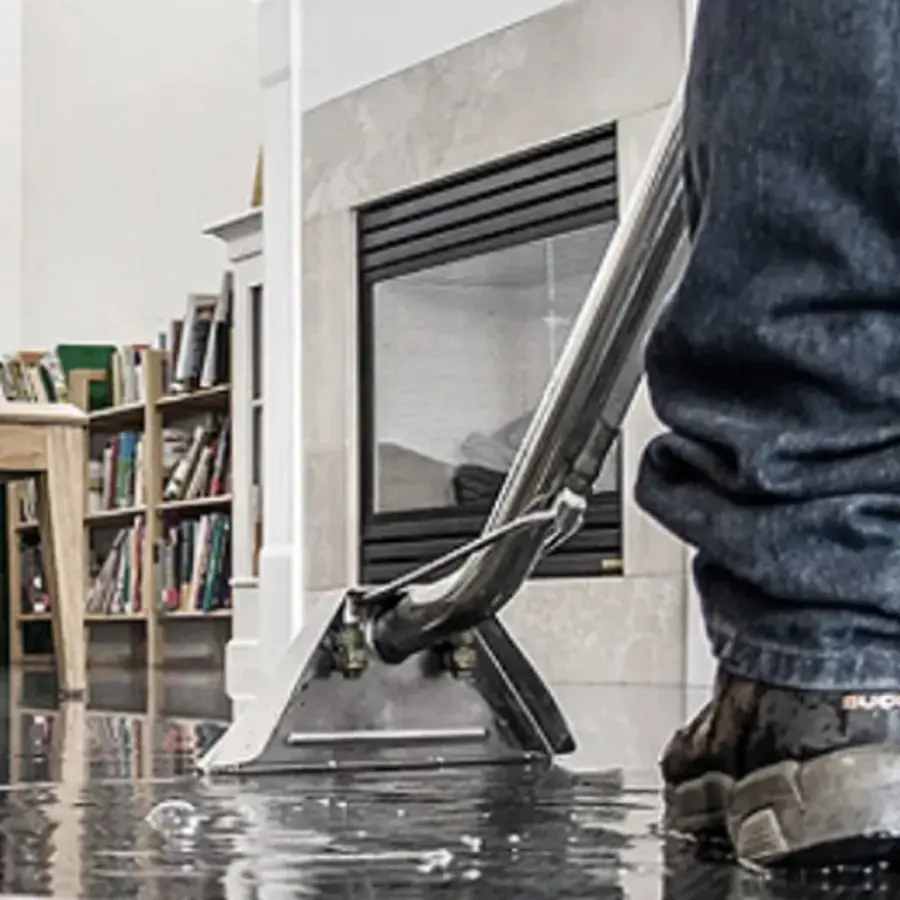
First steps for water extraction and removal in Longview
Stop the source
Shut the main water valve or the fixture shutoff so no more water reaches the floor.
Make the room safe
Cut power at the breaker to wet rooms if you can reach it without standing in water.
Move what you can
Lift rugs, electronics and furniture legs off wet flooring to stop staining and wicking.
Photograph first
Take photos of the water and its source before anything is moved, for the claim file.
How water extraction and removal is handled in Longview
Extraction is the first and cheapest step in any dry-out. Every gallon the extraction crew pulls out as liquid is a gallon the dehumidifiers never have to pull out of the air, so a job that starts with strong extraction finishes sooner.
What does water extraction and removal cost in Longview, WA?
Water extraction in Longview typically runs $500 to $2,500 for the extraction and the first drying setup. Square footage, the water category, carpet versus hard flooring and whether a crawl space needs pumping move the number most.
One room or less
- Standing water on one floor area
- Carpet extraction and lift
- Drying equipment set
Several rooms
- Truck-mounted extraction
- Pad removal where needed
- Moisture map of each room
Whole floor or Category 3
- Large or contaminated water
- Carpet and pad removed
- Antimicrobial and containment
Ranges are typical, not a quote: the water category, square footage, material class and how fast drying started move the number most. Run the Longview water damage cost calculator for a closer range.
The water extraction and removal process in Longview
Moisture map
The tech who does the walkthrough checks floors, walls and the crawl space with meters and thermal imaging to find the edges of the water.
Extraction
The extraction crew pulls standing water and wrings water out of carpet and pad with weighted tools.
Drying setup
The drying team places air movers and LGR dehumidifiers to match each room's evaporation load.
Daily readings
The drying team logs readings every day until materials reach the dry goal, then pulls the equipment.
What extraction removes from a Longview home
Standing water is only the visible part. Carpet pad holds water like a sponge, the subfloor under vinyl plank traps it, and drywall wicks it upward. The extraction crew works each of those layers before setting any fans.
- Standing water on hard floors and in garages, pulled with squeegee wands and pumps
- Water held in carpet and pad, pulled with weighted tools that press the carpet down
- Water pooled in crawl spaces, pumped out through the access hatch
- Soaked contents and debris moved out so the crew can reach the floor
Truck-mounted versus portable extraction
A truck-mounted unit stays outside and runs long hoses into the home. It pulls more water per pass and suits large losses. Portable extractors go where hoses cannot reach, such as upper floors, tight crawl spaces and apartment units.
Speed matters because wet materials can start growing mold within 24 to 48 hours, a window the EPA's moisture and mold guidance describes for homeowners. Extraction first shortens everything that follows.
Carpet, pad and what can be saved
Clean water caught early often leaves the carpet salvageable: the crew pulls the water, lifts the carpet, replaces or dries the pad and dries the floor beneath. Gray water usually means new pad, and Category 3 water from sewage or flooding means the carpet and pad come out.
- Category 1, caught early: carpet often dried in place, pad sometimes replaced
- Category 2: pad replaced, carpet cleaned with an antimicrobial
- Category 3: carpet and pad removed and bagged
Before the crew gets there
Shut off the water source, keep people and pets off wet carpet near outlets and photograph the damage. Ready.gov flood safety tips cover the electrical risks in wet rooms.
Water extraction and removal across Longview and Cowlitz County
Dispatch runs 24/7 for Longview, WA, day or night.
Longview Water Damage Restoration covers ZIP 98632, from the Civic Center, the Old West Side, St. Helens and the Highlands out to Olympic West, Cascade, Columbia Heights, West Longview and Mint Valley, plus the homes around Lake Sacajawea.
Nearby coverage reaches Kelso, Lexington, Castle Rock, Kalama, Woodland, Rainier, OR.
Related water damage services in Longview
Water Extraction and Removal questions in Longview, WA
Water still spreading?
Standing water on the floor? The extraction crew works around the clock.
(888) 509-1696 Start Longview water removalHow soon should water be extracted?
As soon as possible. Water keeps soaking into pad, drywall and subfloor the whole time it sits, and wet materials can start growing mold within 24 to 48 hours. Extraction first means less to dry later.
Can I use a shop vacuum instead?
A shop vacuum helps with a small puddle on a hard floor. It cannot pull water out of carpet pad, subfloor or a crawl space, which is where most of the hidden water sits in a typical home.
Will my carpet have to be thrown out?
Not always. Clean water caught early often leaves the carpet salvageable once the pad is dried or replaced. Gray water usually means new pad, and sewage or flood water means the carpet and pad come out.
Does extraction include drying?
Extraction removes the liquid water. Structural drying with air movers and dehumidifiers removes the water held inside materials, and most jobs need both. See structural drying for how readings set the finish.
Is water extraction covered by insurance?
When the water came from a sudden, accidental event such as a burst supply pipe, extraction is usually part of the covered mitigation. Coverage depends on your policy, so check with your own insurer.
Can water be extracted from a crawl space?
Yes. The extraction crew pumps standing water out through the access hatch, then removes soaked insulation and vapor barrier before drying the joists. Crawl space water removal covers the details.
Get the water out before it soaks in
Every hour of standing water soaks deeper into pad, drywall and subfloor. The extraction crew pulls it out and sets drying equipment.
(888) 509-1696Longview water extraction, any hour