Water Damage Restoration in Kalama, WA
Kalama homes and shops on the Columbia River terraces get extraction, structural drying and flood cleanup, with moisture readings logged daily and a claim file built as the job moves.
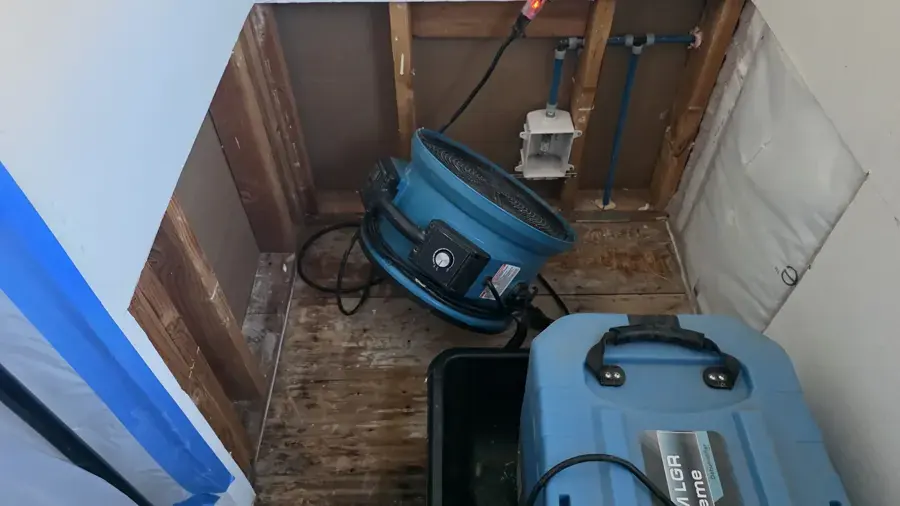
Water damage in a river town built on terraces
Kalama lies on the east bank of the Columbia River, with the business district east of Interstate 5, port industry along the riverfront and homes stepping up the hillside above town. Water reaches those buildings in very different ways, so no two jobs start alike.
A downtown storefront, a hillside house and a terrace home each call for a different plan. The extraction crew traces where the water went, and the drying team then sizes equipment to the real moisture readings, starting with water extraction.
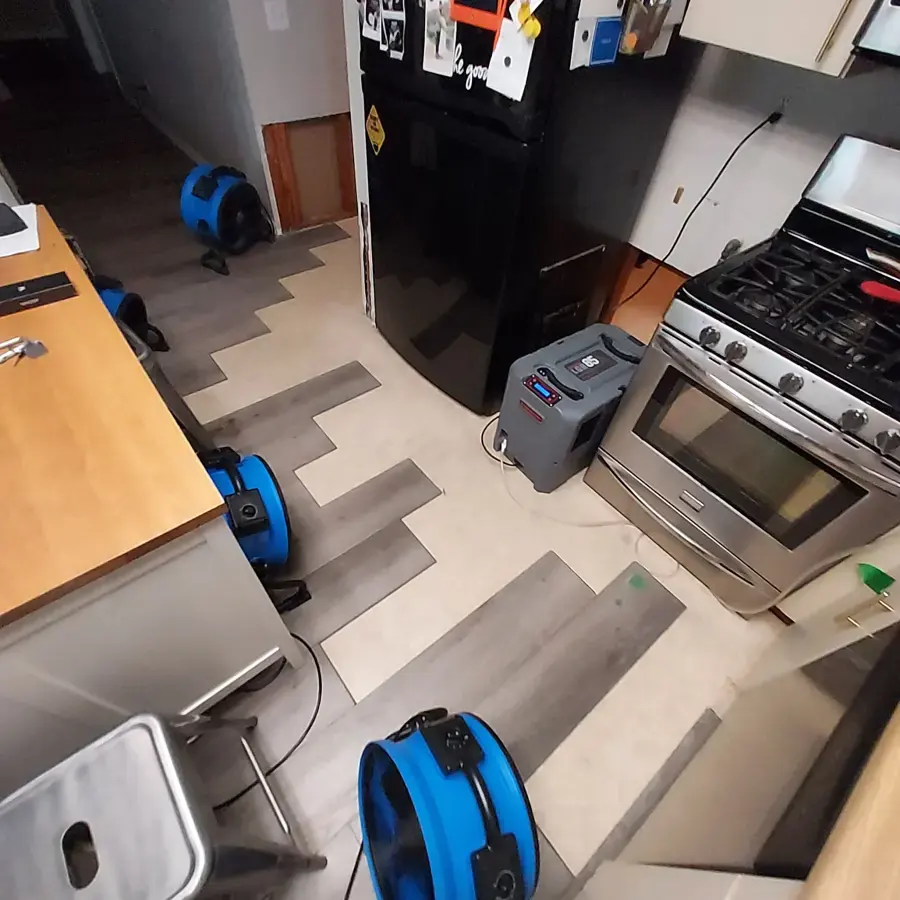
The river, the creek and the hillside have each put water into this town, so every walkthrough starts with one question: where did it come from?
Services for wet homes and shops
Each service covers a different way water enters a building, from a loose appliance hose to river-driven flooding.
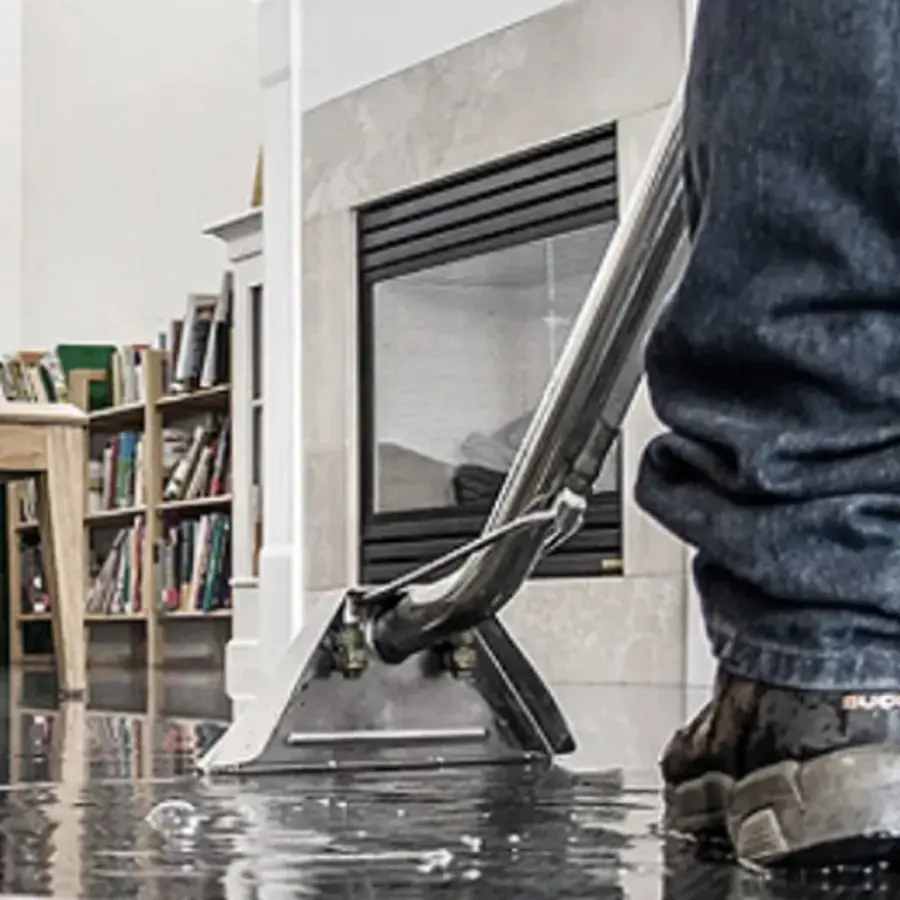
Water Extraction and Removal
Truck-mounted units and pumps pull standing water from downtown shops and hillside homes before it soaks into subfloors.
See the full service details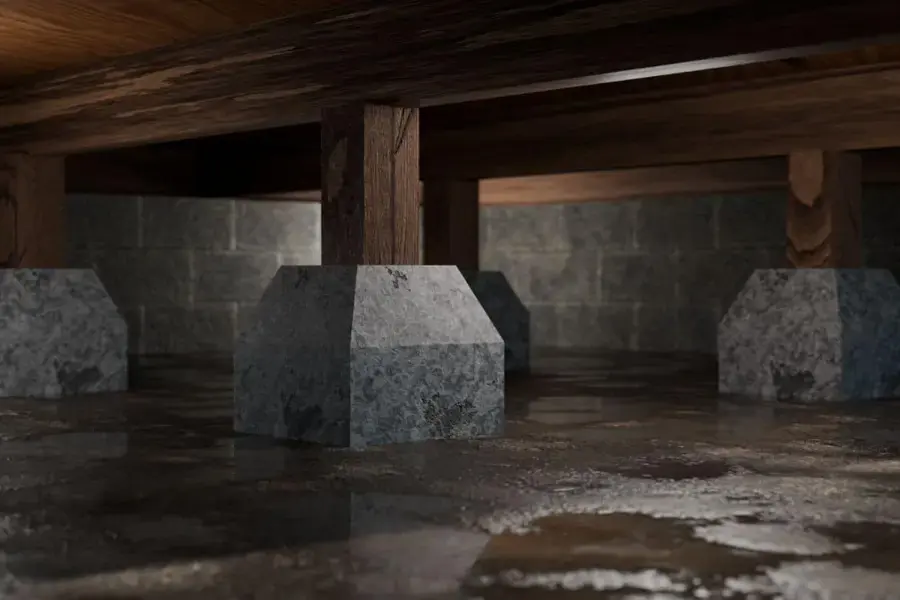
Crawl Space Water Removal
Low framing spaces get pumped out, wet insulation bagged and joists dried after winter rain or a leaking pipe.
See the full service details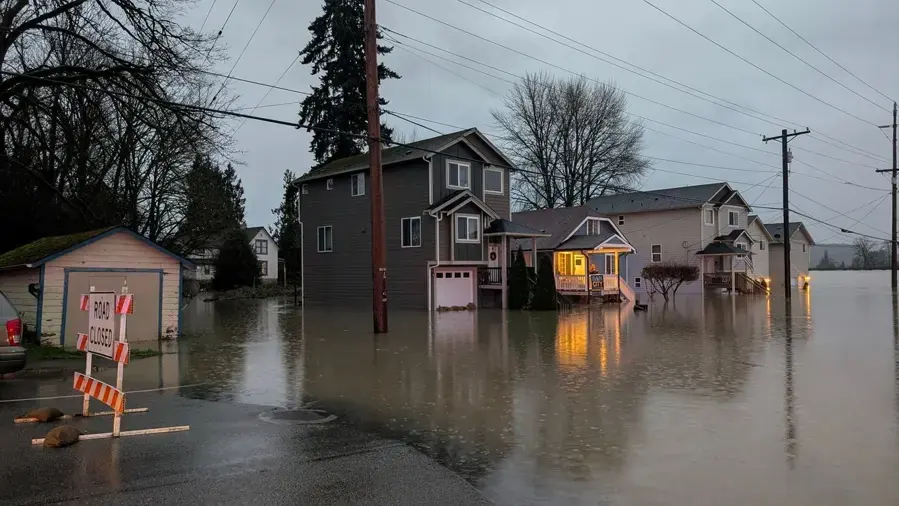
Storm and Flood Water Cleanup
Cleanup after river flooding, creek overflow and backed-up storm drains, from debris removal to final drying.
See the full service details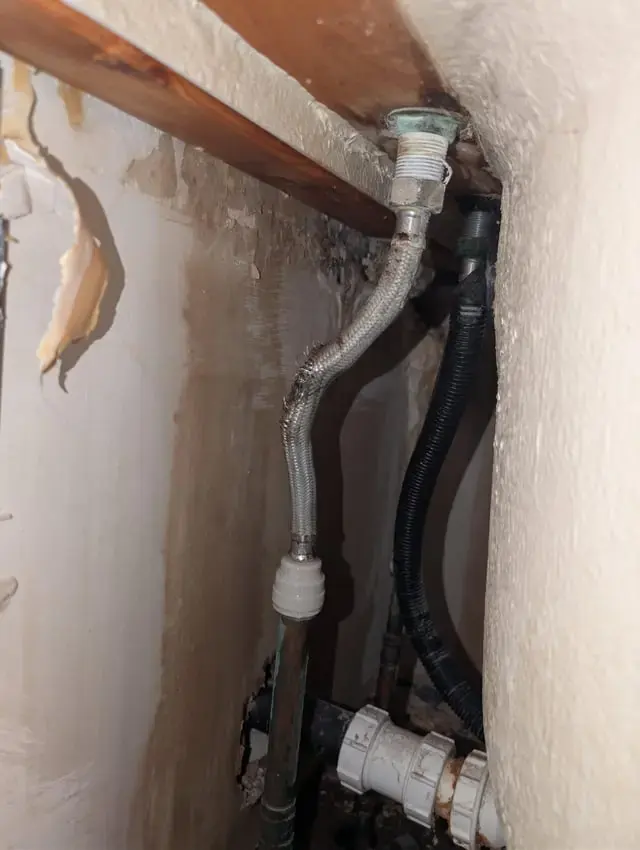
Burst Pipe Water Damage
A failed supply pipe can empty into walls fast, so the crew extracts water and dries cavities.
See the full service details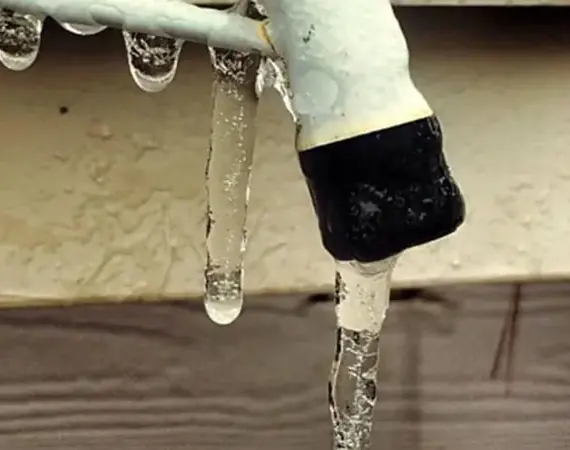
Frozen Pipe Water Damage
Cold nights near freezing can split exposed pipes, and the thaw releases water that needs drying behind finished walls.
See the full service details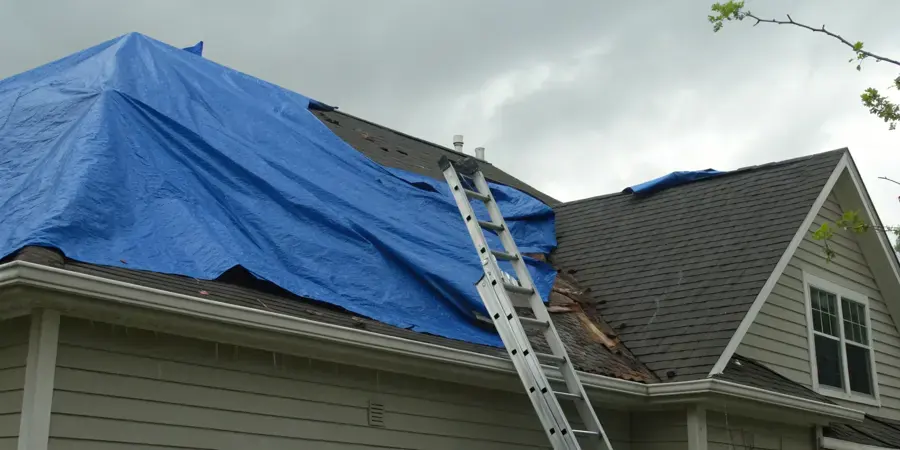
Roof Leak Water Damage
Winter rain finds worn flashing and shingle gaps, then soaks attic insulation and the ceilings below.
See the full service details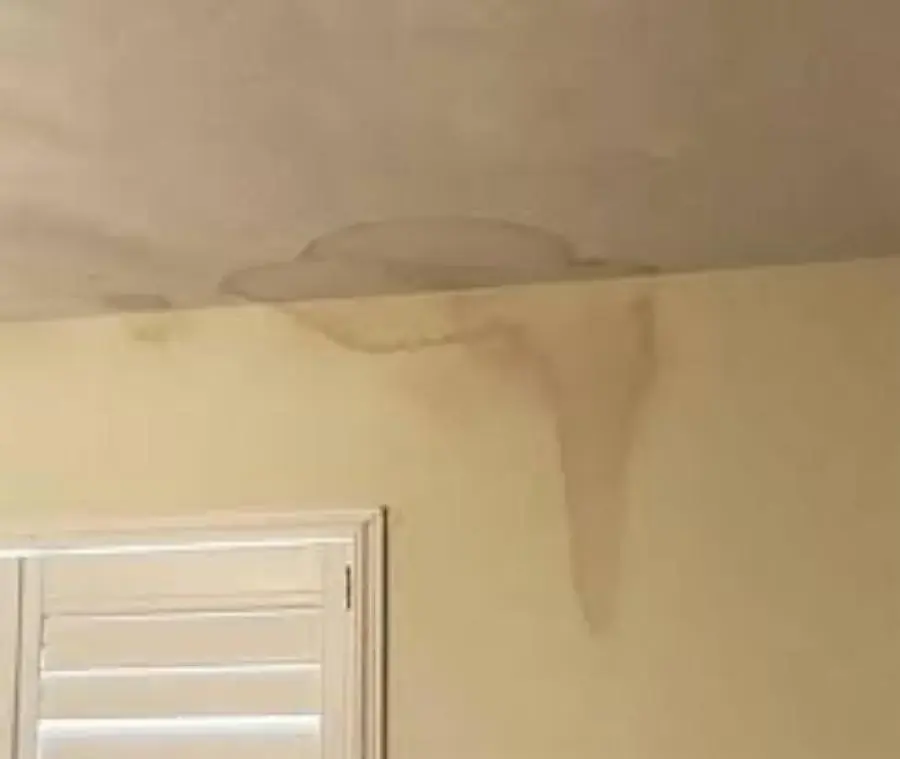
Ceiling Leak Water Damage
Sagging or stained ceilings point to a roof, an upstairs fixture or a neighbor's unit, and the source gets traced.
See the full service details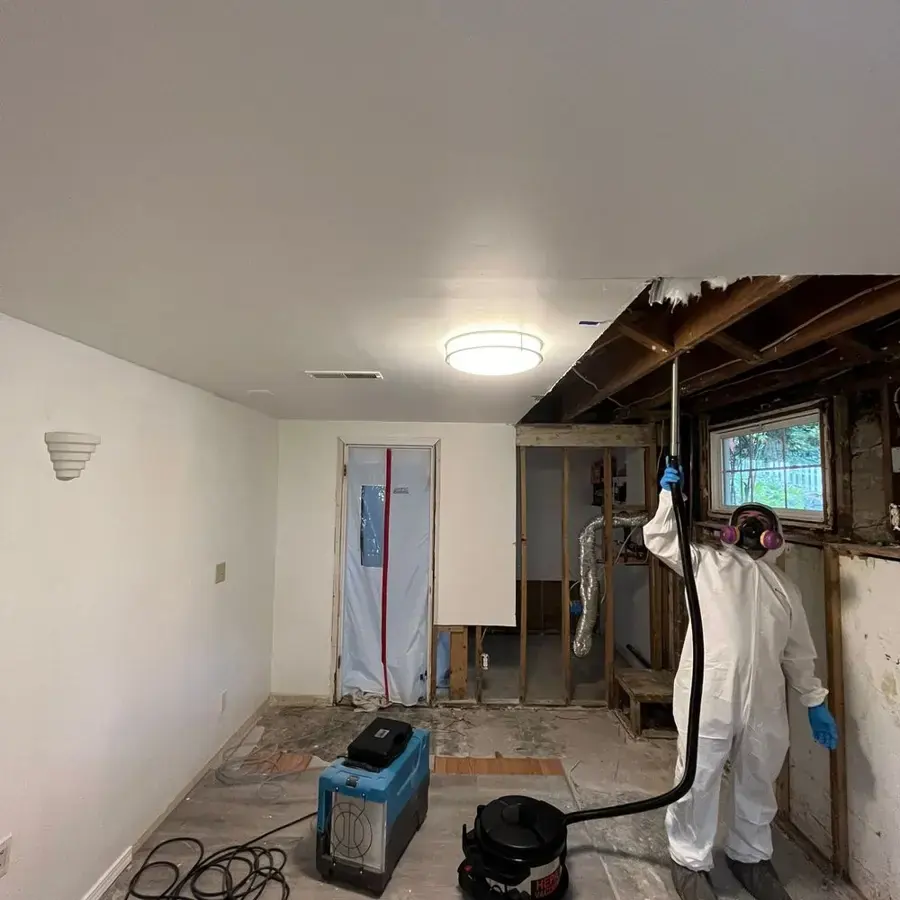
Sewage Backup Cleanup
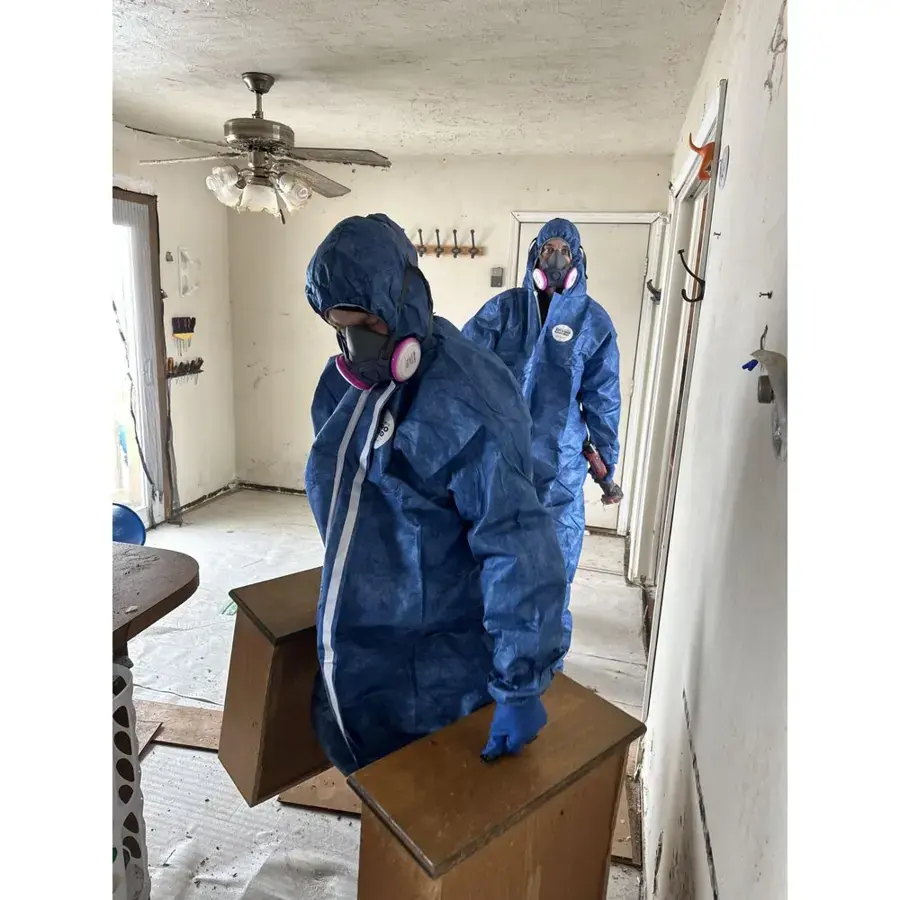
Contaminated backups get containment, protective gear, removal of porous materials and antimicrobial treatment before any drying begins.
See the full service details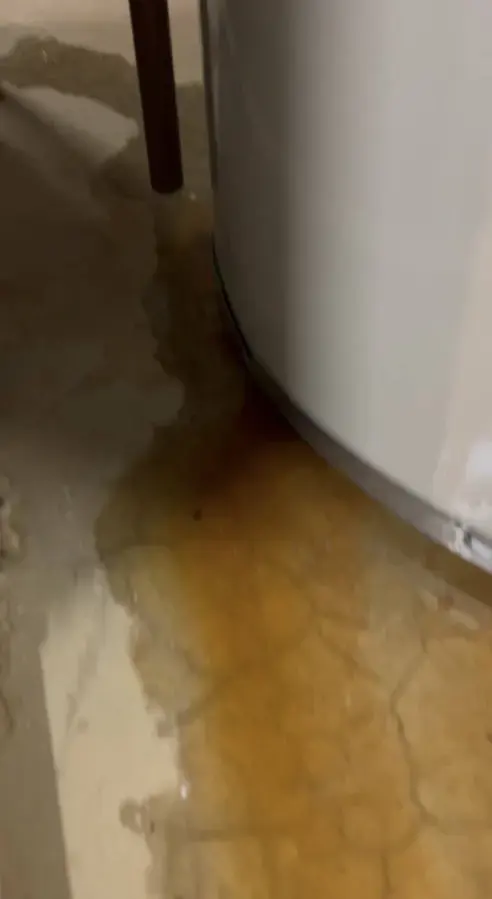
Water Heater Leak Cleanup
A split tank or loose fitting can flood a closet or garage, and the water travels into walls and cabinets.
See the full service details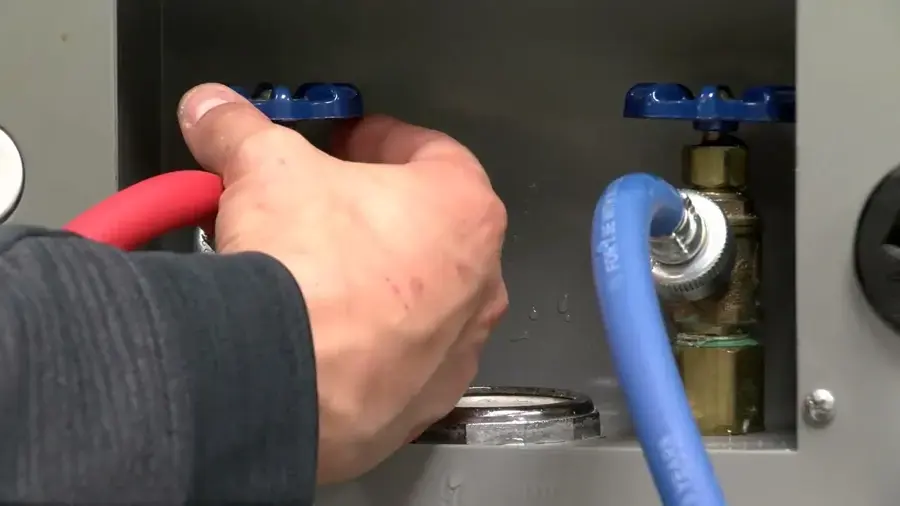
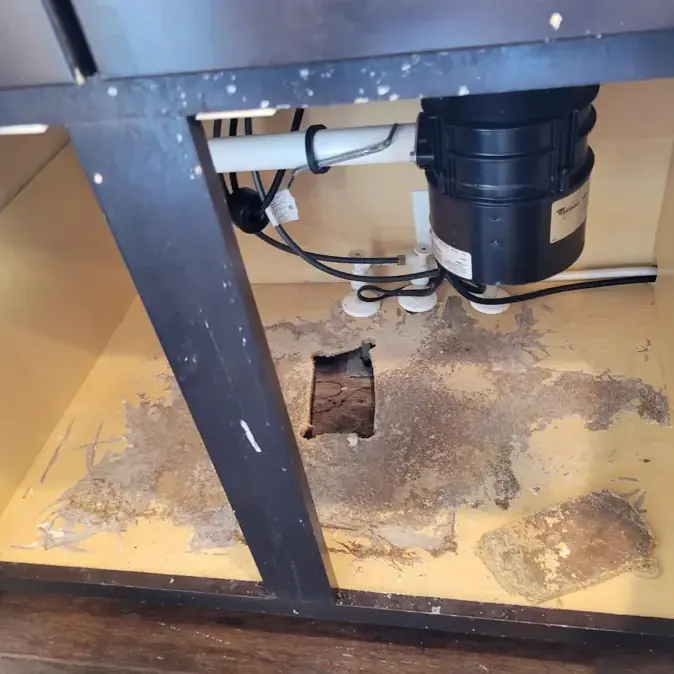
Appliance and Supply Hose Leaks
Washer hoses, dishwasher fittings and refrigerator supply connections leak into floors and, in shared buildings, into the unit below.
See the full service details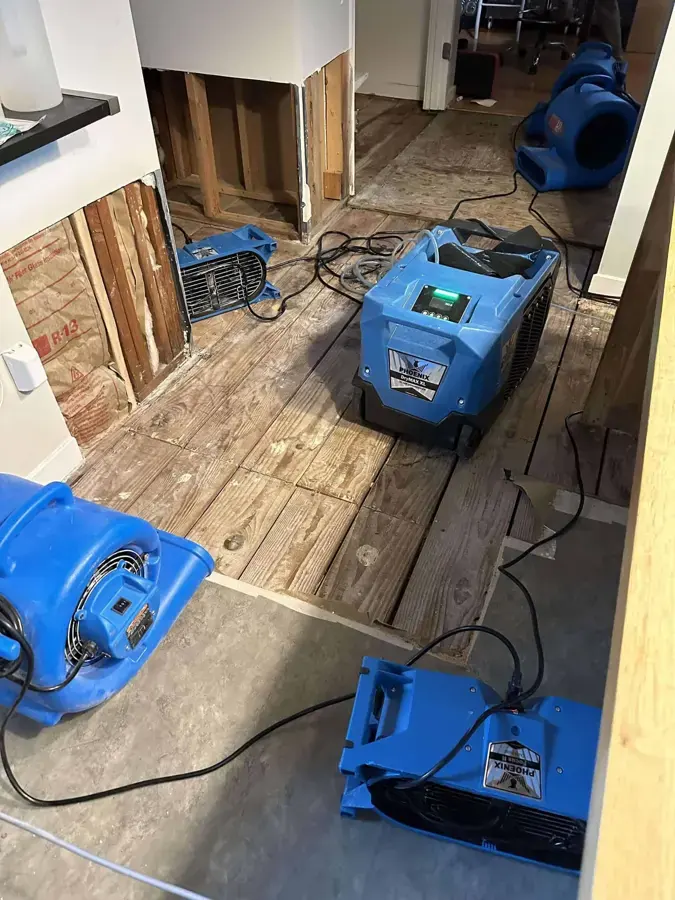
Structural Drying and Dehumidification
Air movers, LGR dehumidifiers and moisture maps pull water from framing and subfloors until readings reach the dry reference.
See the full service details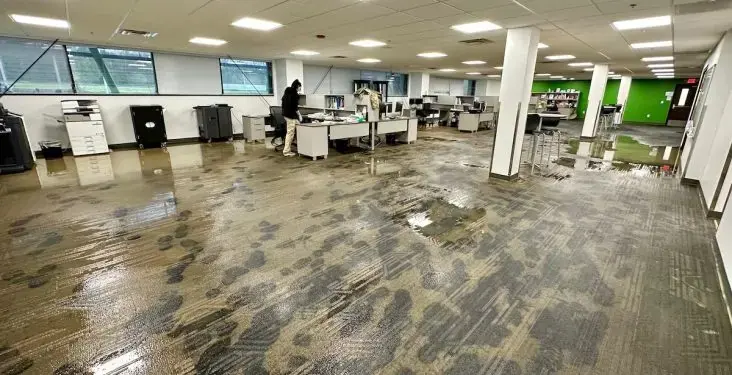
Commercial Water Damage
Shops, offices and port-area buildings get phased drying, containment and documentation that keeps the business running.
See the full service detailsBuilt around how water behaves here
Response built for the loss
The crew brings extraction gear sized for the job, from one wet room to a flooded shop floor, and begins with a moisture walkthrough.
Drying matched to the building
Older frames, newer additions and concrete slabs dry at different rates, so equipment and run time follow the readings, not a fixed schedule.
Paperwork an adjuster can read
Dated photos, daily moisture logs and an itemized list of removed materials build the claim file as the job proceeds.
Knowledge of local conditions
River floods, wet winters, steep hillsides and older houses all shape how water moves here, and the team plans around them.
Tools used on every wet job
- Truck-mounted extraction units for large volumes of standing water on floors
- LGR dehumidifiers that keep pulling moisture in cool, damp winter air
- Air movers placed along walls, under cabinets and across floors to push moisture out of the structure
- Moisture meters and thermal cameras that locate water hiding behind finished surfaces
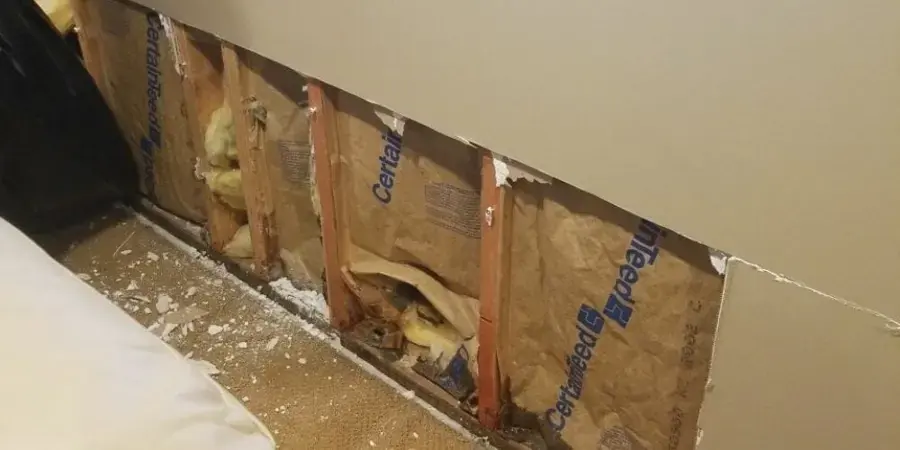
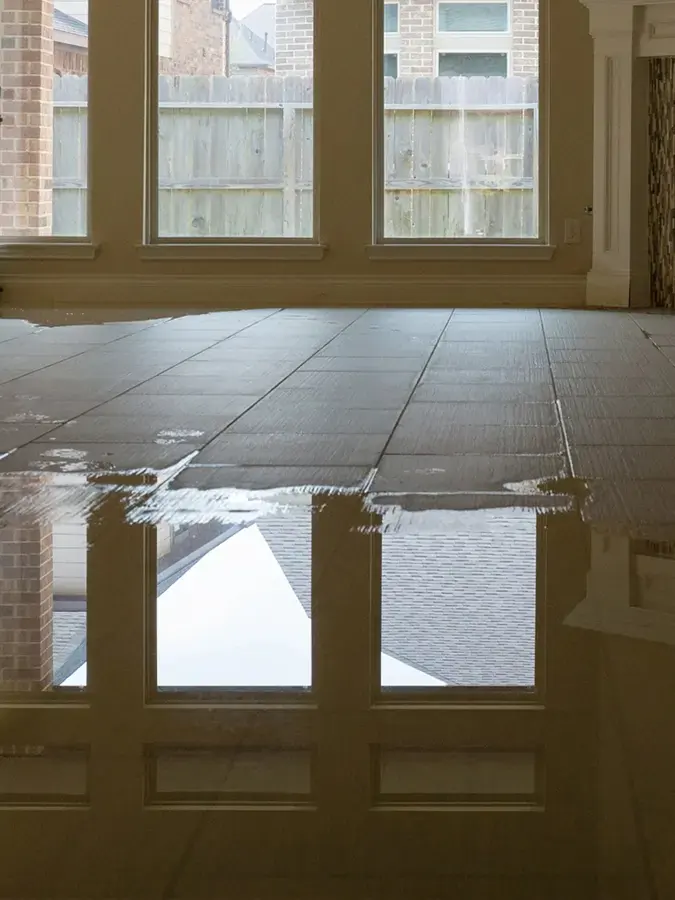
A look at the steps of a water damage job
What cleanup usually costs for a wet home or shop
Cost follows how much floor is wet, whether the water is clean or contaminated and how long materials sat saturated. Contained losses run $1,200 to $3,000, and major ones reach $6,500 to $15,000+.
Contained loss
- Standing water extracted from one area
- Targeted drying equipment
- Daily readings until dry
Moderate loss
- Wet drywall and pad removed
- Several rooms dried in place
- Moisture map for each room
Major loss
- Whole levels or contaminated water
- Widespread removal of porous materials
- Itemized scope for the carrier
One repeatable standard, whatever the loss
Each job follows the same order: contain the spread, remove the water, open what stays wet, dry to a measured target and record the readings for the claim file.
Working with your insurance carrier
Claims move more smoothly when the paperwork is complete. The restoration team takes dated photos, keeps a moisture log and lists every material removed, so an adjuster can follow what happened and why.
Whether a loss is covered depends on the policy wording, and a sudden pipe failure is often treated differently from seepage or surface flooding. Reading the water and flood sections early, then asking the carrier directly, avoids surprises.
Neighborhoods and corridors the crews reach
Crews work across the downtown core, the riverfront industrial area and the hillside streets above, wherever water has gotten in.
ZIP code covered
ZIP 98625 covers the city's homes and businesses, from the riverfront up to the terraces and hillside streets.
In town
Hillsides and corridors
Nearby cities
Tell the crew what is wet and where
Describe where the water came from and which rooms are wet, and the crew plans the walkthrough, the equipment and the first steps around those details.
Protect the building while help is arranged
- Shut off the water at the main valve if a pipe or hose is the source.
- Switch off power to wet rooms when outlets or cords sit near the water.
- Lift small items, rugs and furniture legs out of the wet zone.
- Photograph the damage and the source before anything gets moved.
Know which category of water you have
Water is sorted into three categories by contamination, and the category decides what can be dried in place and what has to be removed.
Category 1, clean water
A failed supply hose or split pipe starts clean, but the water can degrade once it has soaked into carpet, pad and cabinet bases.
Category 2, gray water
Washer discharge or a dishwasher overflow carries some contamination, so porous materials such as carpet pad usually come out rather than dry in place.
Category 3, black water
Sewage and river or creek floodwater carry serious contamination, and flooding from the Columbia River or China Creek belongs here, with porous materials removed and containment set up.
Sewage backup cleanupWhat puts local buildings at risk
Several conditions raise the odds of a wet building, and they vary by neighborhood.
River and creek flooding
The Columbia River flood of 1996 left more than 2 feet of water downtown, river water ran backward through the stormwater system and China Creek overtopped; heavy rain again flooded the interstate at Exit 30 in 2019.
Steep, saturated hillsides
The city plan notes several areas of recent and historical landslides inside city limits, and outside downtown much of the sewer service area has steep slopes, some over 30 percent, so heavy rain sends water downhill toward homes.
Wet winters
Longview averages more than 46 inches of precipitation a year and the Kalama Falls Hatchery area averages 68, with about 80 percent falling from October to March, so roof and drainage problems peak in winter.
Older homes and mixed construction
Vintage houses from about 1880 to 1920, including the Cramer House, Imus House and Case Mansion, still stand, and older framing can hold moisture behind plaster, siding and tight wall cavities.
Questions about water damage here
Water in the building right now
Describe the damage and the crew will map out a walkthrough and the first steps.
(888) 509-1696 Reach a local drying techHow fast does water damage spread through a house?
Water wicks into drywall, subfloors and framing quickly, and mold can begin to grow after 24 to 48 hours of dampness, so extraction and drying should start as early as possible, before swelling and staining become permanent.
What should I do first when a pipe bursts?
Shut off the main water valve, switch off power to wet areas and move valuables out of the water's path. Then photograph the damage so the crew handling burst pipe water damage can see the starting condition.
Can river or creek floodwater be dried in place?
Floodwater is Category 3, so carpet, pad and porous drywall are usually removed rather than dried, and hard surfaces are cleaned and treated. The steps are laid out under storm and flood cleanup.
Does a boil water notice mean my house is damaged?
No. A boil water notice concerns drinking water safety after a main break or pressure loss, as on Cloverdale Road in April 2026, and it says nothing about water inside a building. Cleanup inside a building is a separate matter.
What records help a water damage claim?
Dated photos of the source and each wet room, the moisture log, receipts for emergency steps and a list of damaged belongings all help. The crew's daily readings supply much of that file.
How long does structural drying take?
Most structures need several days of equipment running, and denser materials such as hardwood or concrete take longer. Daily readings decide when machines come out, and the drying time estimator gives a rough idea.
Is sewage handled differently from clean water?
Yes. Sewage backups need protective gear, containment and removal of porous materials before drying starts, because the water carries pathogens. Properties outside the city sewer area rely on onsite septic systems, so the source differs. The sewage backup cleanup service follows that order.
Do hillside homes face extra water risks?
Steep ground sends runoff toward foundations and lower floors, and the city plan notes mapped landslide debris on the hillsides along Spencer Creek Road. Gutters, grading and roof water management matter on those streets.
Can businesses downtown or at the port get service?
Yes. Downtown shops, offices and waterfront buildings get phased drying, after-hours work where needed and documentation by area, so a business can stay open where the layout allows. Phasing is covered under commercial water damage.
How do I estimate what my cleanup will cost?
Start with the water damage cost calculator for a rough range. A walkthrough then confirms the scope, because hidden wet areas can change the total. Rooms affected, water category and drying time all move the figure.
Get a drying plan started for your Kalama property
Tell the crew what happened and which rooms are wet, and a technician will walk the property, map the moisture and explain the scope before any equipment is set up.
(888) 509-1696Start with a moisture walkthrough