Water Damage Restoration in Vernonia, Oregon
Standing water, soaked drywall and wet floors come out of local homes and shops, then the drying team brings the structure back to a dry reading and keeps the records.
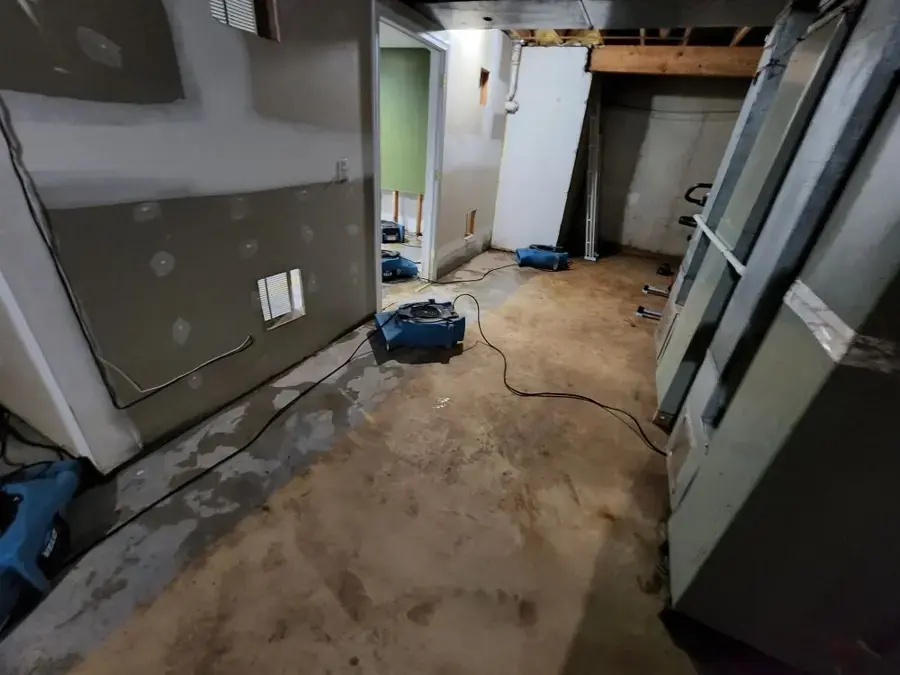
A river town that knows high water
Vernonia sits in a valley on the eastern side of the Northern Oregon Coast Range, on the Nehalem River in Columbia County. The water damage pros who work here plan around that river first, because floods have shaped the streets and the houses.
A roof leak, a split pipe or a failed hose gets the very same careful treatment from start to finish. The extraction crew removes the water, the drying team maps moisture room by room, and readings continue until every wet material tests dry.
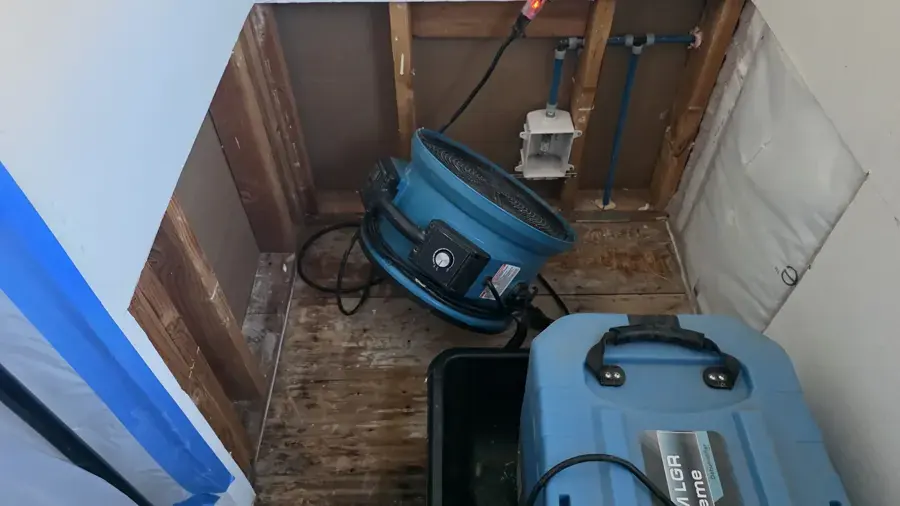
Floods taught this valley to plan ahead, and the same habits that guard a flood zone make a small leak much easier to stop.
Water services for river homes
Choose the problem that matches the damage. Each service has its own process, price ranges and answers for local homes.
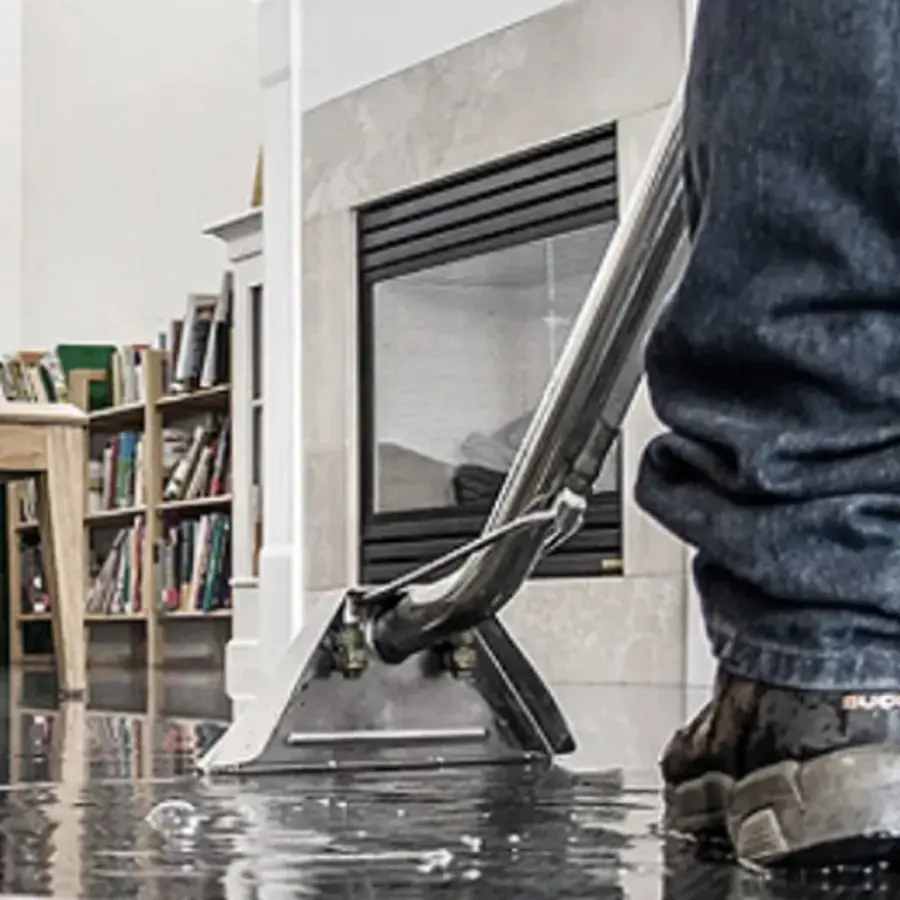
Water Extraction and Removal
Truck-mounted pumps lift standing water first, so drying starts on damp materials instead of soaked ones.
Open this service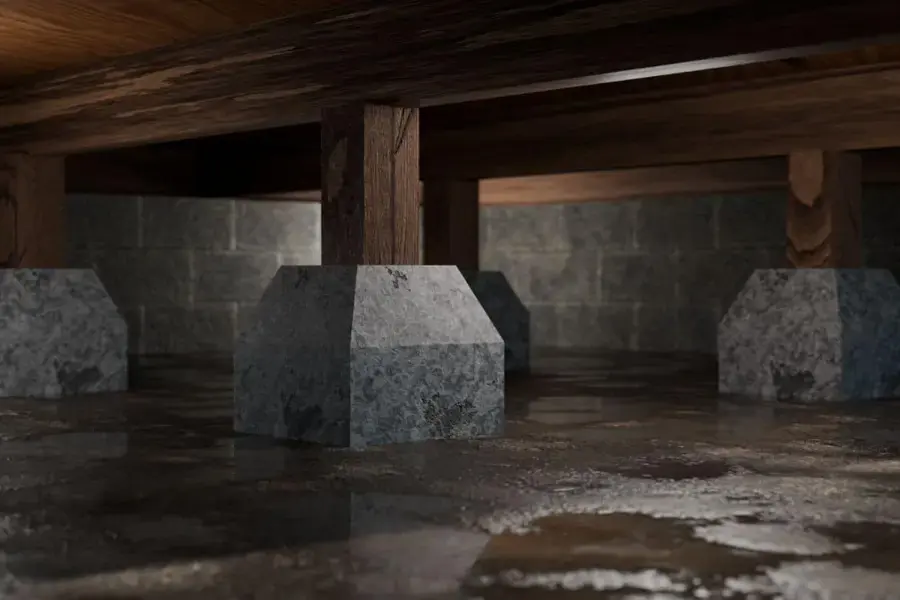
Crawl Space Water Removal
Raised homes leave crawlspaces under the living floor. Pumping them out lets the framing dry before it softens.
Open this service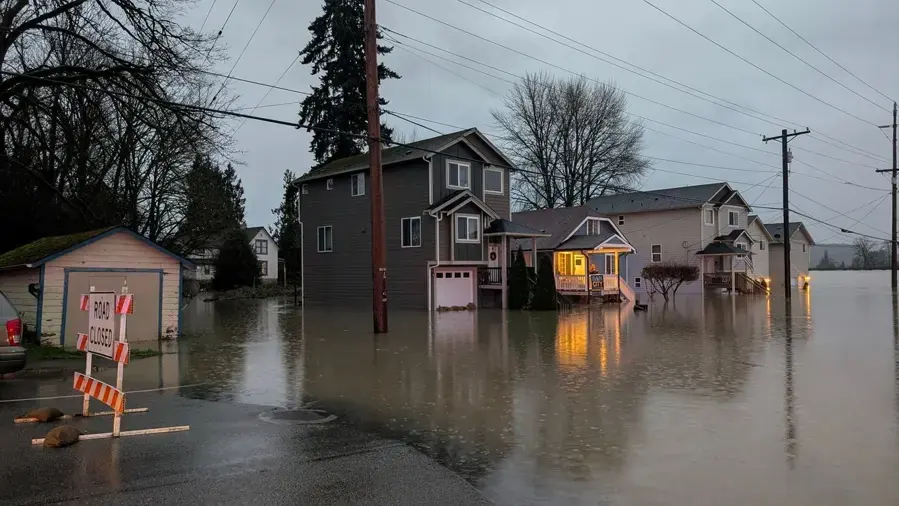
Storm and Flood Water Cleanup
River rises push dirty water indoors. The crew removes it, cuts out soaked drywall and sanitizes what stays.
Open this service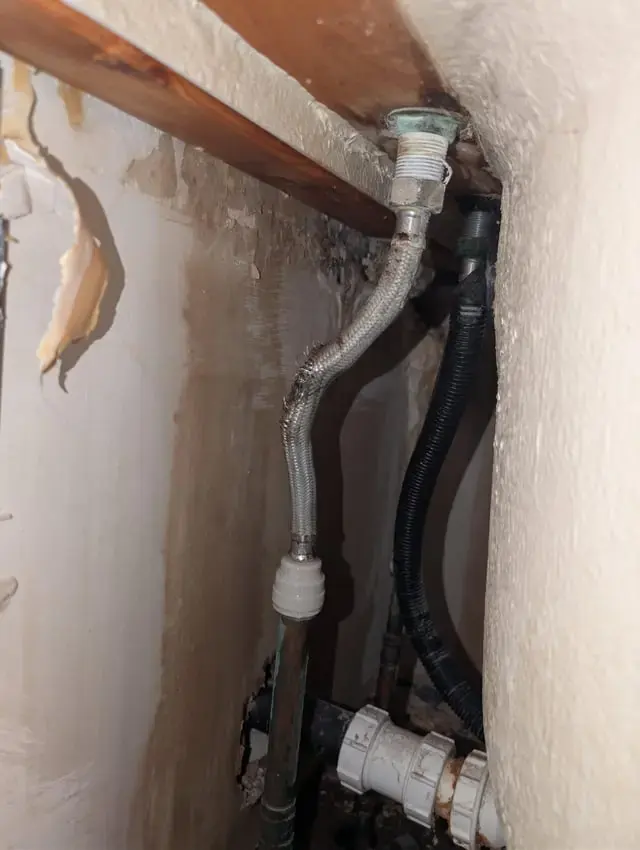
Burst Pipe Water Damage
A split pipe drenches walls and ceilings. Shutting off the main stops it, then the team extracts and dries.
Open this service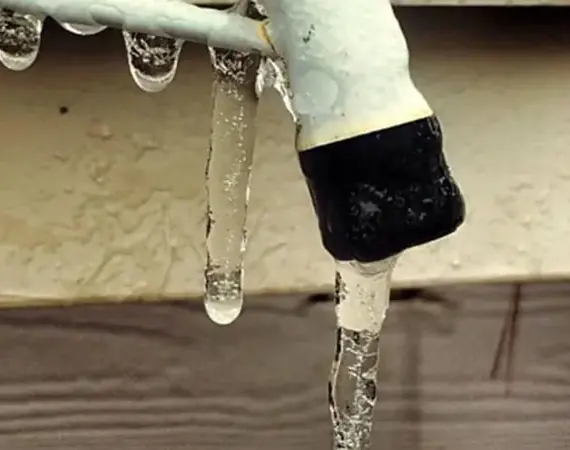
Frozen Pipe Water Damage
Cold snaps split pipes that leak only after they thaw, so damage often shows once the freeze ends.
Open this service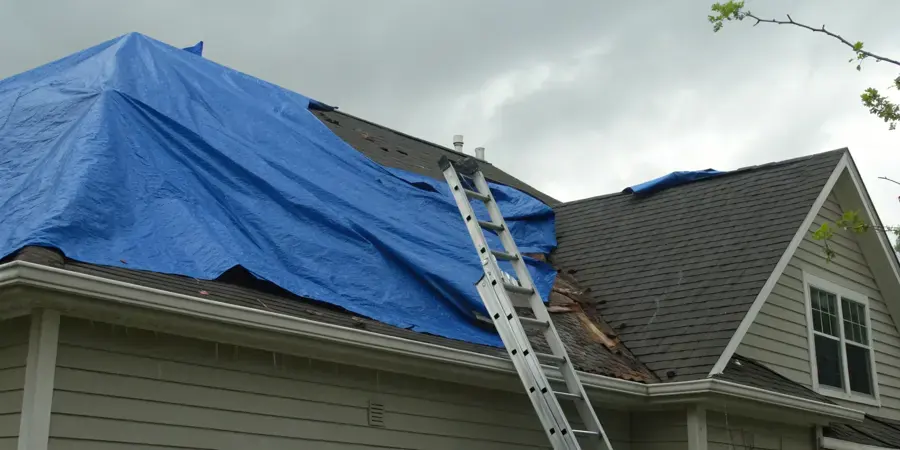
Roof Leak Water Damage
Worn flashing or a clogged gutter lets rain into the attic. Wet insulation comes out and framing dries.
Open this service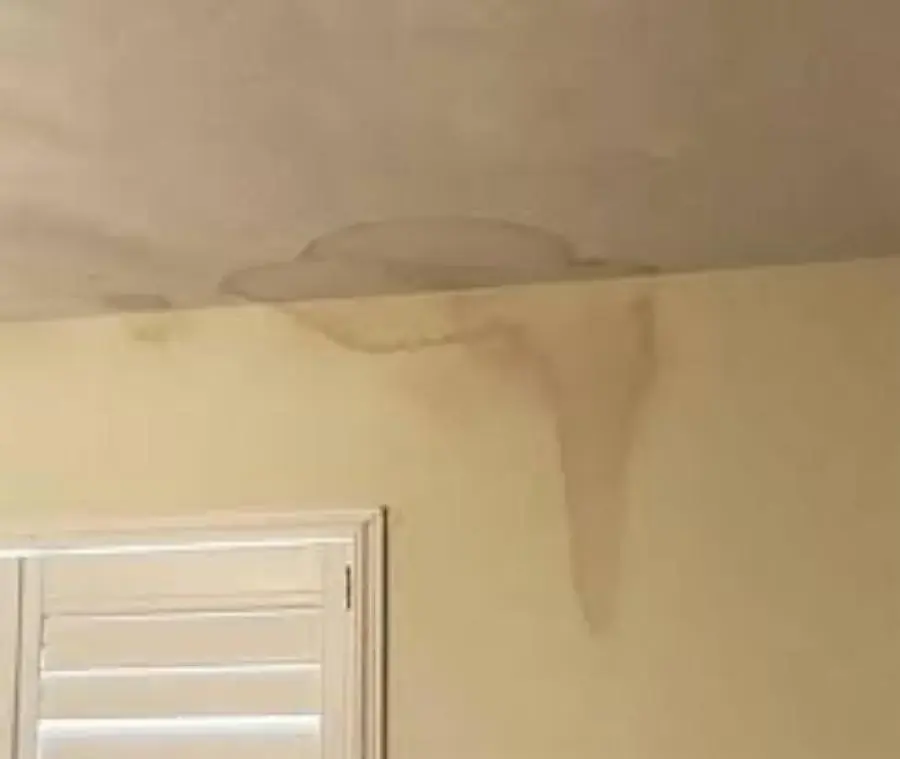
Ceiling Leak Water Damage
A brown ceiling stain usually traces to the roof or a gutter. The ceiling is drained, opened and dried.
Open this service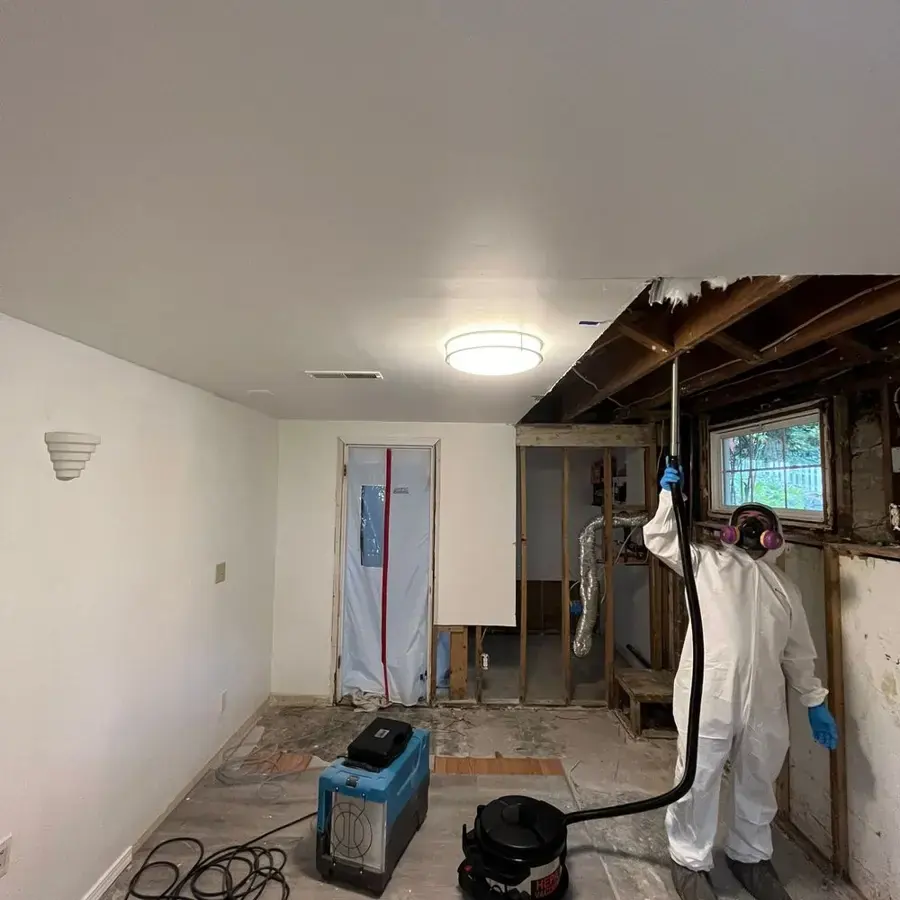
Sewage Backup Cleanup
Sewer overflow and floodwater carry bacteria, so gear, containment and antimicrobial treatment come before drying.
Open this service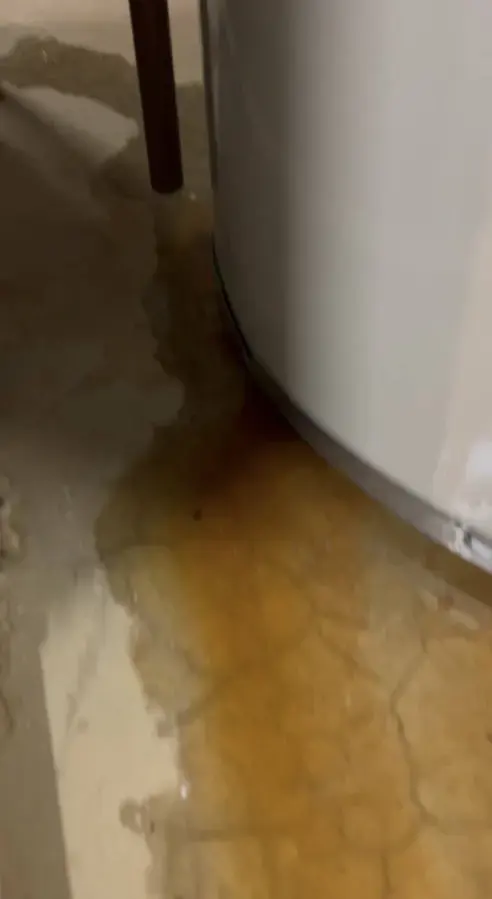
Water Heater Leak Cleanup
A leaking tank soaks garage and closet floors, then reaches walls and cabinets. Extraction and wall drying stop it.
Open this service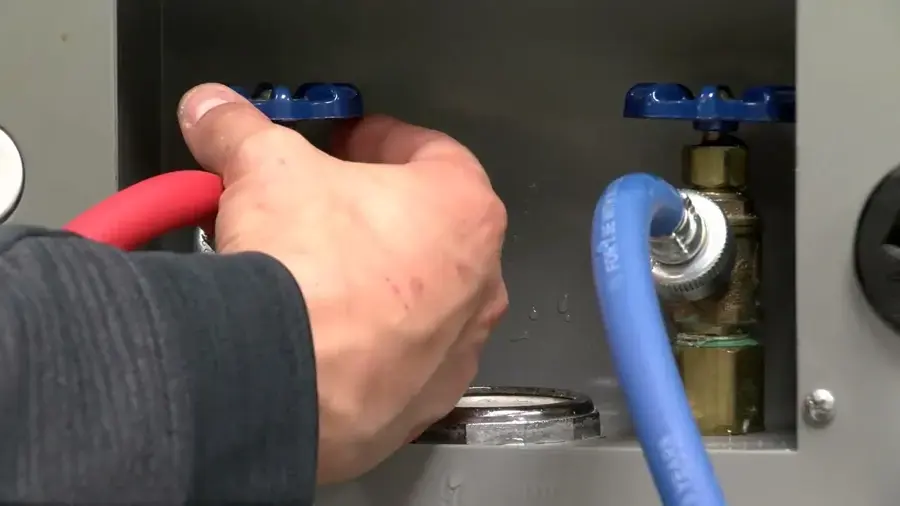
Appliance and Supply Hose Leaks
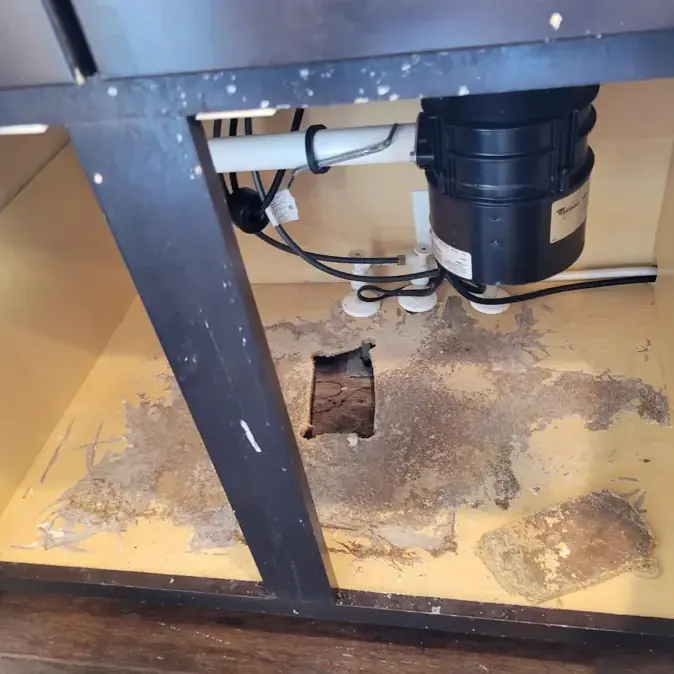
Washer, dishwasher and refrigerator hoses fail quietly, so the team dries under cabinets and below floors.
Open this service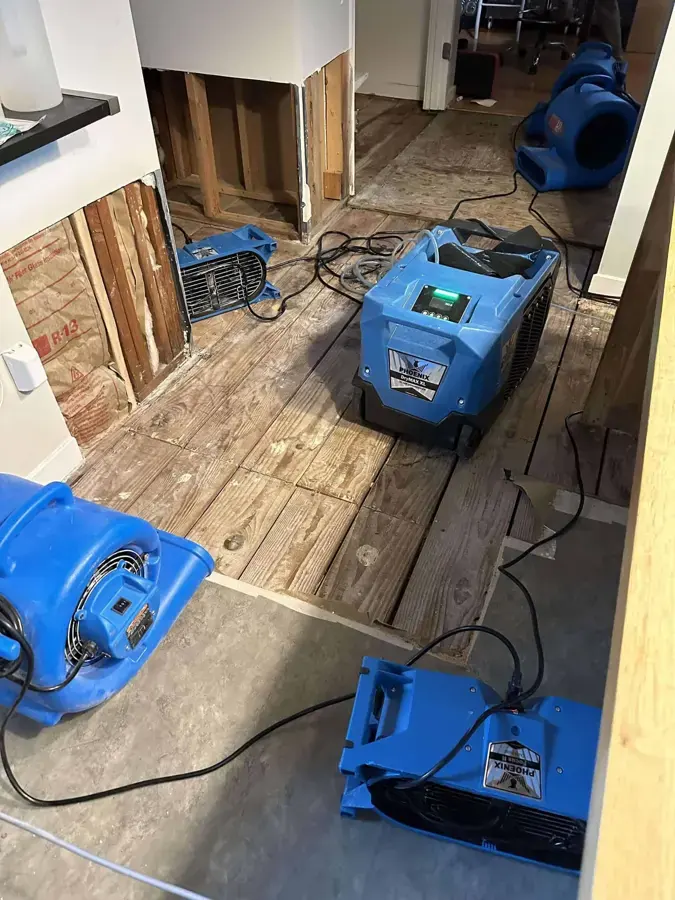
Structural Drying and Dehumidification
Air movers, dehumidifiers and moisture maps bring wet framing and subfloors back to a dry reading.
Open this service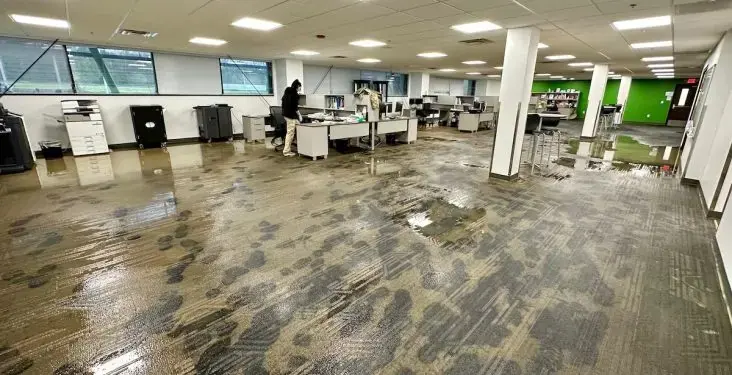
Commercial Water Damage
Shops and offices near Bridge Street get phased drying by zone, planned around opening hours.
Open this serviceWhat the drying team brings to a loss
Local flood awareness
The crew knows the Nehalem River's flood history and the lower streets it reaches, so equipment and cleanup choices fit a valley home.
Readings, not guesses
Moisture meters and a written map show which walls and floors are wet, so nothing is torn out or left behind by assumption.
Claim-ready records
Photos, daily logs and a final dry reading give an adjuster the paper trail that explains each step of the work.
Plain explanations
The tech who does the walkthrough explains what is wet, what comes out and what stays, in ordinary words.
Tools the crew brings
- Truck-mounted extraction units pull standing water and soaked carpet out of the room.
- LGR dehumidifiers draw moisture out of the air, the framing and the subfloor.
- Air movers are angled to push dry air along walls, floors and cabinet bases.
- Moisture meters and thermal cameras locate wet spots hidden behind finished surfaces.
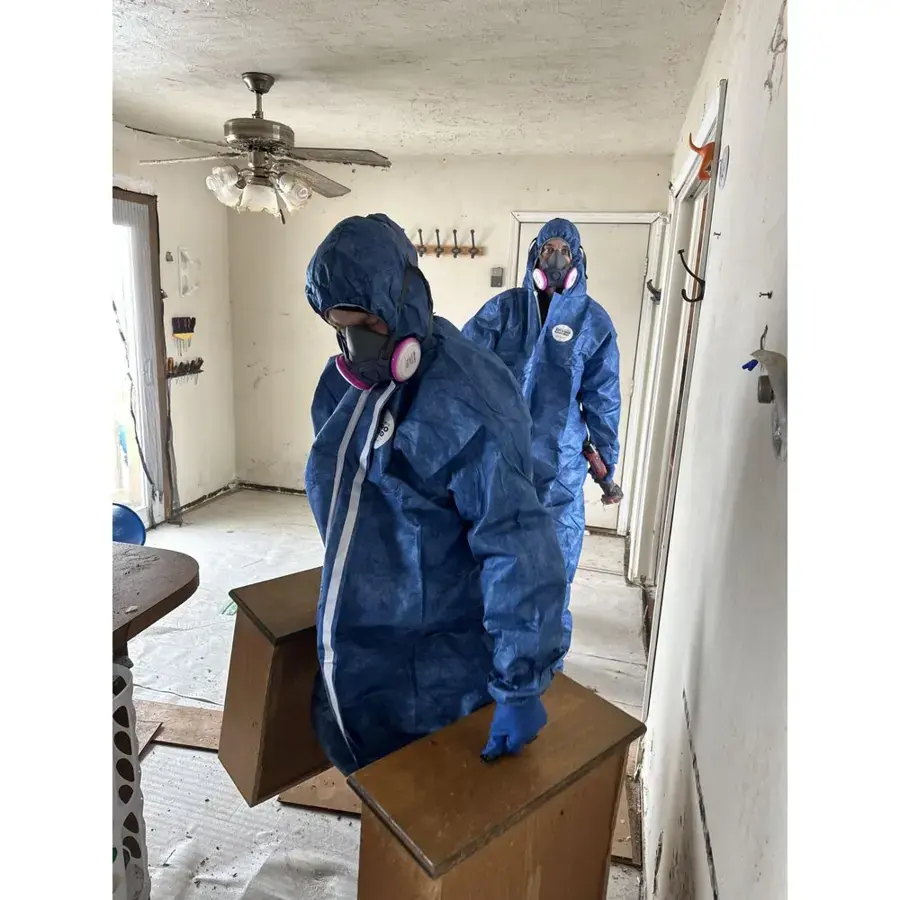
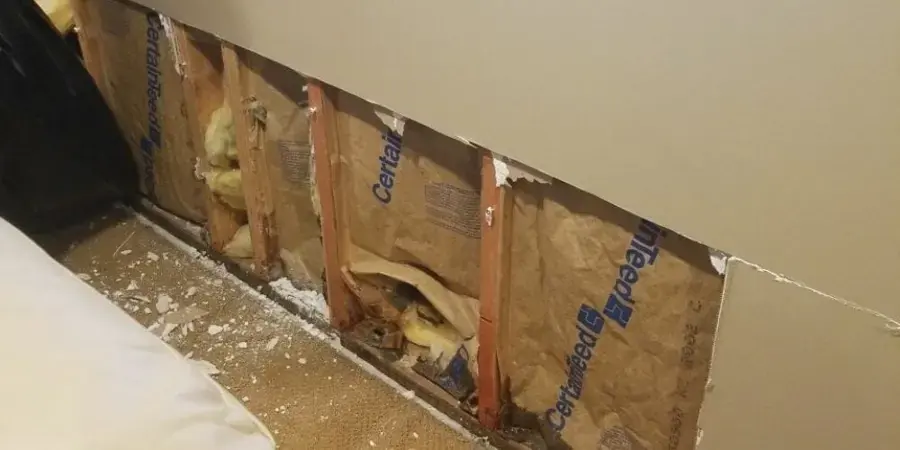
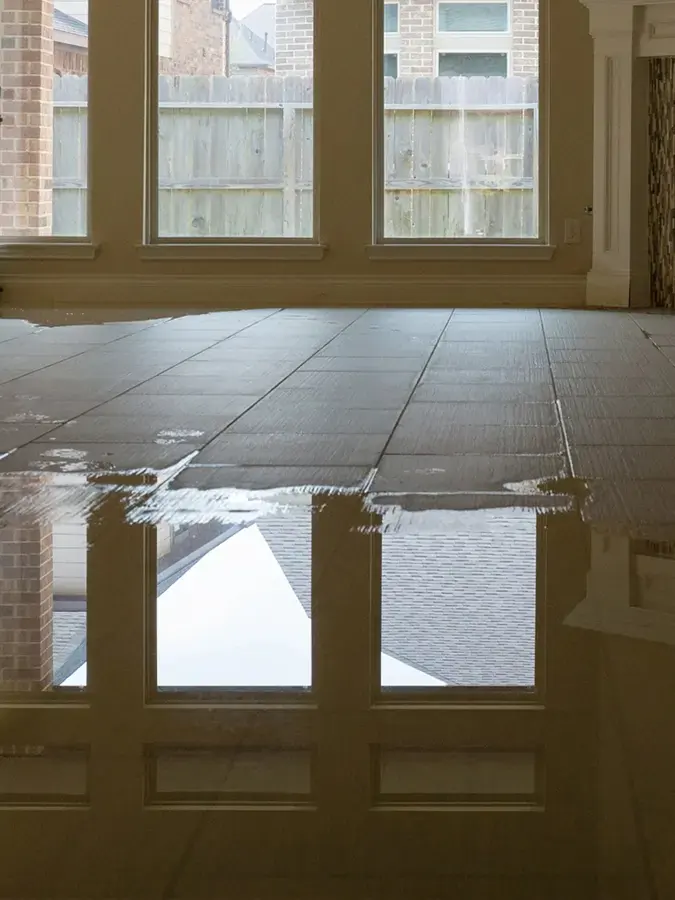
Recent water damage work in local homes
What water damage cleanup usually costs here
Most local water jobs land between $1,200 and $15,000 or more. The total depends on how many rooms are wet, whether the water is clean or contaminated, and how long it sat.
Contained loss
- One room or one pipe
- Extraction and spot drying
- Readings logged
Moderate loss
- Several rooms affected
- Wet drywall cut out
- Daily moisture checks
Major loss
- Flood or sewage water
- Floors and walls removed
- Full file for the claim
Dry to a measured standard before anyone rebuilds
Every job follows one order: remove the water, remove what cannot dry, then run equipment until readings match a dry reference. Structural drying is where that standard gets proven.
Records for the claim file
An adjuster wants to see how far the water spread and what was done about it. Dated photos, a moisture map and daily readings answer that clearly, without anyone reconstructing events months later.
What the claim pays is the carrier's decision, and the drying team stays out of that debate. Its job is the paperwork and a dry structure, with the final reading recorded before any rebuilding begins.
Service across the Nehalem River valley
Work covers ZIP 97064 and flood-area streets below, from central Bridge Street to the east side and creek roads.
ZIP code covered
ZIP 97064 anchors the service area, which reaches the streets and creek roads listed in the groups above.
Central and east side
Outer roads and streets
Nearby cities
One call starts the cleanup for Oregon valley jobs
The crew works from Longview and crosses the Columbia River on the Lewis and Clark Bridge to reach Oregon jobs, including this valley, with a truck-mounted unit and drying gear.
What to do while the water is still standing
- Shut off the main water valve if a pipe is the source.
- Switch off power to wet areas, and stay out of standing water.
- Photograph the damage before moving anything.
- Lift small items onto dry surfaces and leave the rest for the crew.
Why the water's source changes the job
Water is sorted into three categories by how contaminated it is, and the category decides what protective gear, removal and treatment the crew uses.
Category 1, clean
A supply pipe or tank leak sends clean water. Many items dry in place when the work begins promptly and the area stays protected.
Category 2, gray
Washer or dishwasher discharge carries some contamination, so carpet pad and other porous materials usually come out and surfaces get cleaned.
Category 3, black
Sewage and river floodwater. Carpet, pad and soaked drywall are removed, and every affected surface is treated with an antimicrobial before drying.
Sewage backup cleanupWhat puts local homes at risk
Several local conditions shape how water enters a house here, and each has a record.
Nehalem River floods
The river crested at 19.1 feet on December 3, 2007, the flood of record, and Oregonlive reported 340 homes flooded within city limits. A 14.6 foot crest followed in 2015.
Crawlspaces and garages
After 2007 nearly every flooded home was raised. The city says the spaces beneath are not meant for storage, and some belongings were lost in 2015, a reminder to keep valuables upstairs.
Sewer overflow points
A Business Oregon summary from 2023 says sewer connections meet no more than 80% of demand, and the city notes overflow near Clatsop Street at extreme flow.
A mix of housing ages
The median home was built in 1990, yet about 22.1% date from 1939 or earlier, about 14% are mobile homes, and about 23.5% are rented, so leaks follow very different building types.
Water damage questions from local homeowners
Water in the house right now?
Talk to the response team about extraction, drying and what to photograph before anything gets thrown out.
(888) 509-1696 Call the valley crewHow high must the Nehalem River rise before homes flood?
The National Weather Service expects minor flooding of low areas at 12 feet and some flooded buildings at 15 feet. Major flooding reaches central streets near Bridge Street at 16.5 feet, and 18 feet brings widespread deep water.
What happened in the December 2007 flood?
The Nehalem River crested at 19.1 feet on December 3, a record. An Oregonlive report from January 2009 counted more than 800 flooded homes in the river drainage, 340 of them within city limits.
Can a crawlspace under a raised home hold belongings?
The city says crawlspaces and garages under elevated homes are not meant for storage. Some residents who kept property there lost it in the 2015 flood. A crawl space water removal visit covers what soaks in.
Is floodwater safe to touch or clean up alone?
The city warns that floodwater can carry biological and chemical contaminants and advises limiting contact with it and the sediment left behind. That puts it in Category 3, which calls for protective gear.
Why does sewage back up in parts of town?
A Business Oregon summary from 2023 describes undersized sewer connections that have caused overflow at overloaded points. In March 2024 the city posted a project to upsize pipes along Springboard Lane and Clatsop Street.
How does the roof tarp rule affect a leak?
The Property Maintenance Code requires sound roofs, flashing and gutters, and an emergency tarp may stay up no more than 90 days in any consecutive 12 months. A tarp holds back rain while the permanent repair is arranged.
Why does drying need to start so quickly?
Wet drywall, insulation and wood can begin growing mold within 24 to 48 hours, so extraction and airflow come first. The structural drying stage then proves the framing has reached a dry reading.
How do repair permits and inspections work here?
Structural, electrical, plumbing and mechanical permit applications go online through the State of Oregon ePermitting system. The city works with Northwest Code Professionals, and inspections are held on Tuesdays and Thursdays.
How can residents get flood alerts?
Residents can sign up for emergency phone alerts through Columbia 911 alerts. An alert gives time to move belongings upward and shut off power before the river reaches the lower streets.
Does the crew handle shops and offices too?
Yes. The city says most floodplain business owners have been through a flood and should keep an action plan. Commercial water damage work is phased by zone around opening hours.
Get the drying started before the damage spreads
Each hour of standing water pushes moisture deeper into drywall and framing. One call to the extraction crew starts the water removal and a written plan for the rest.
(888) 509-1696Call the valley drying team