Water Damage Restoration in Woodland, WA
From Lewis River flooding to a failed supply hose, water moves fast through Woodland homes. The drying team pulls it out, opens wet walls and documents each step for your claim.
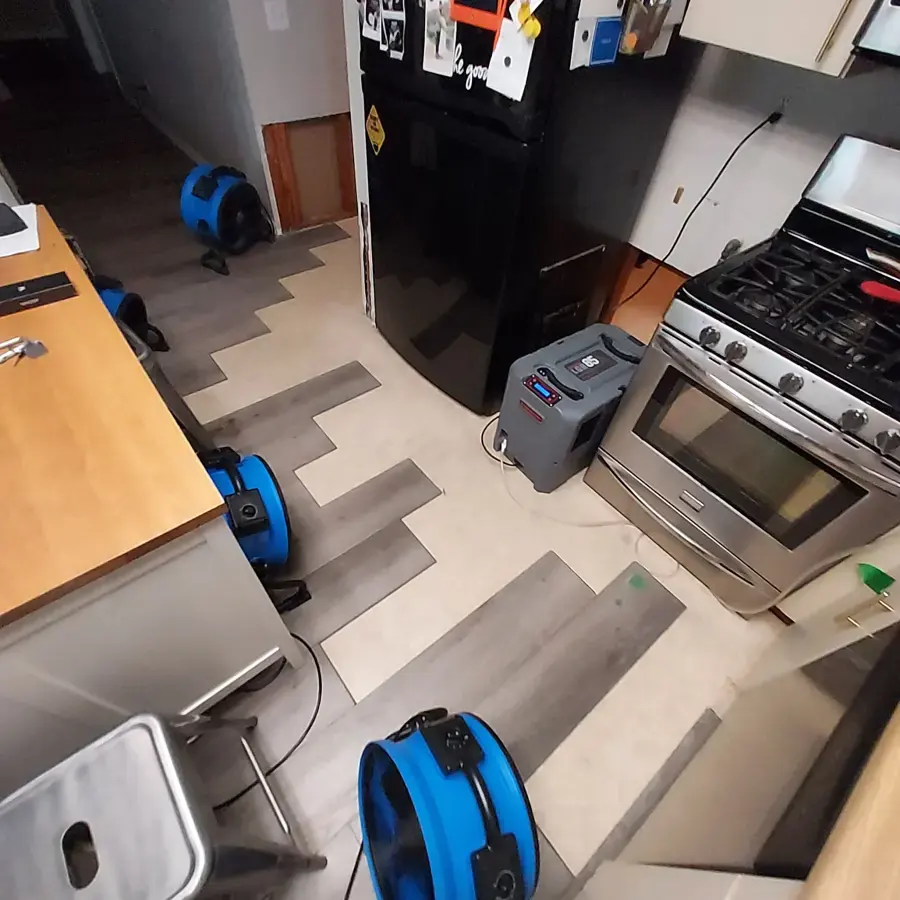
Water damage care for a diked river town
Woodland sits on the former Columbia River floodplain, behind dikes, with the North Fork of the Lewis River running along its east side. When the river rises or the rain settles in, water finds garages and lower floors.
The local water damage experts treat each loss on its own terms. A crew checks moisture in the floor, walls and framing, removes what cannot dry, and sets equipment that stays until readings return to normal. Every visit is logged for the insurance file, starting with water extraction.
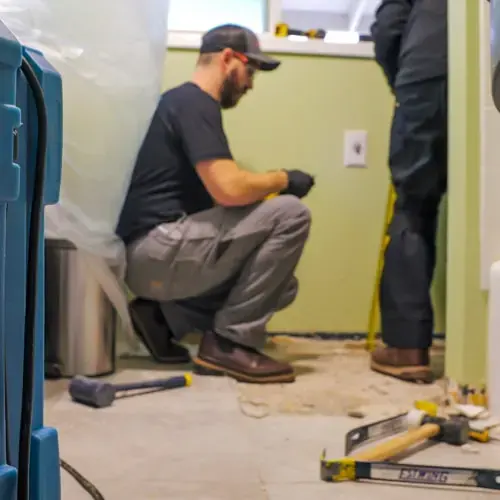
A river town needs water removal that starts with the structure, not just the carpet, because wet framing and subfloors hold moisture long after the surface looks dry.
Water damage help for every kind of leak
Pick the service that matches the problem, or call and the team will sort out the source and the damage together.
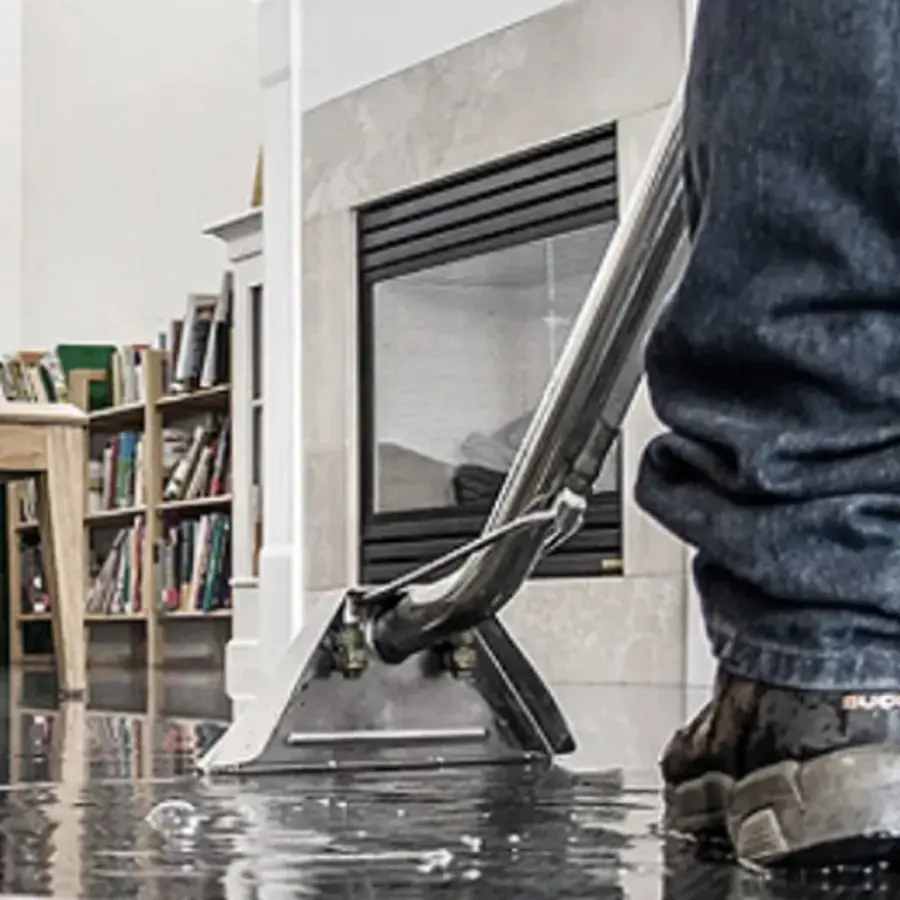
Water Extraction and Removal
Truck-mounted pumps and wand tools pull standing water from carpet and floors after a river rise or a heavy storm.
See the full service page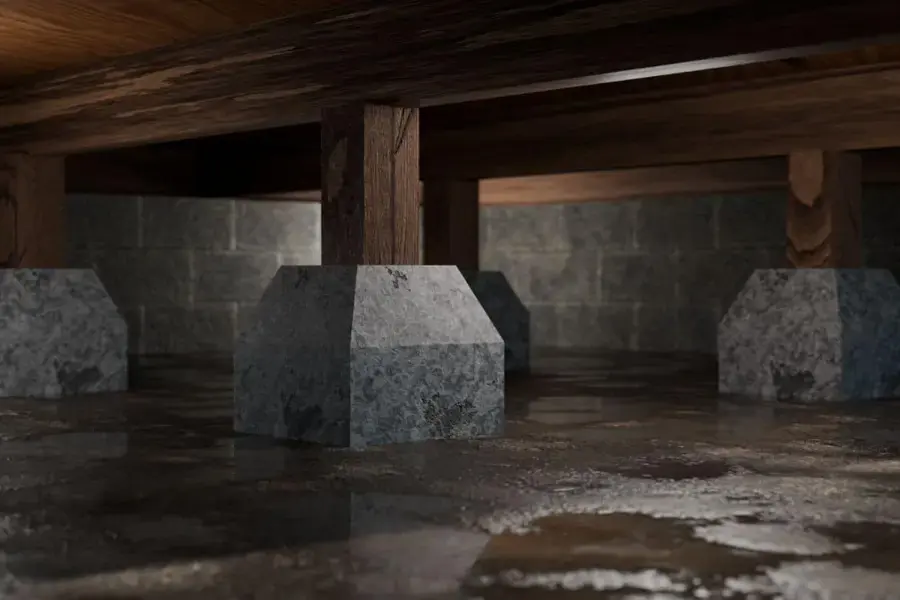
Crawl Space Water Removal
Pumping, wet insulation removal and drying for the hidden space under the floor, where moisture lingers unseen.
See the full service page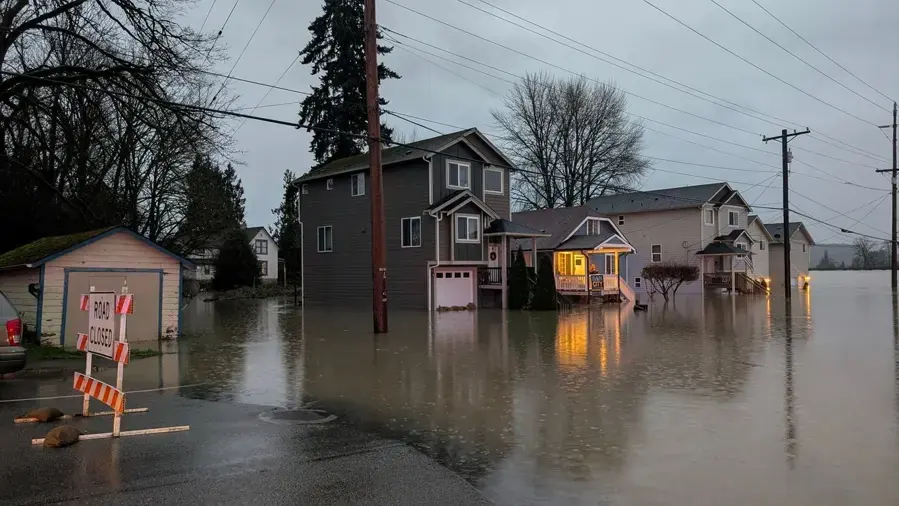
Storm and Flood Water Cleanup
Cleanup when heavy rain or an overflowing creek sends water into garages, lower rooms and finished floors.
See the full service page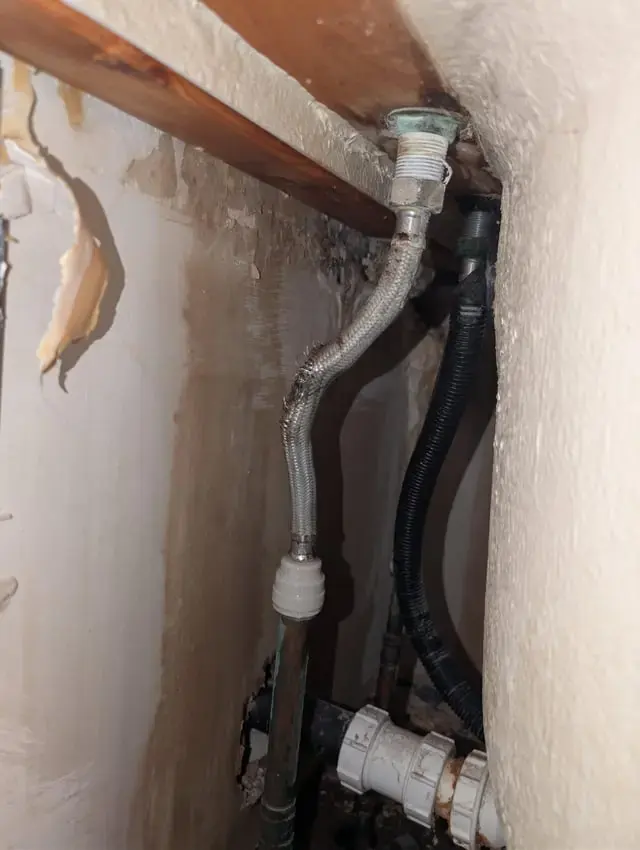
Burst Pipe Water Damage
Extraction and wall cavity drying when a broken supply pipe floods a room or runs through a ceiling below.
See the full service page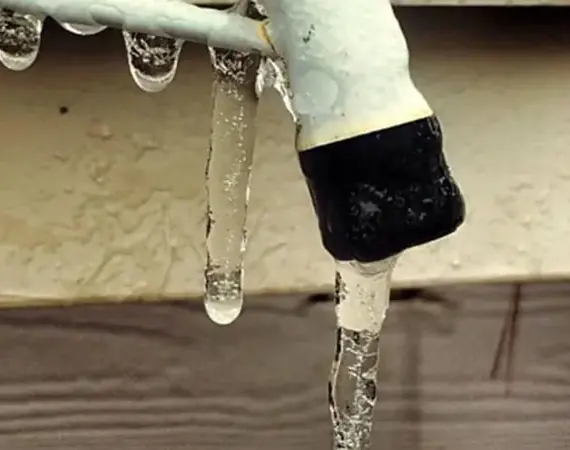
Frozen Pipe Water Damage
Drying and moisture mapping after a pipe splits in cold weather and the thaw sends water into walls and floors.
See the full service page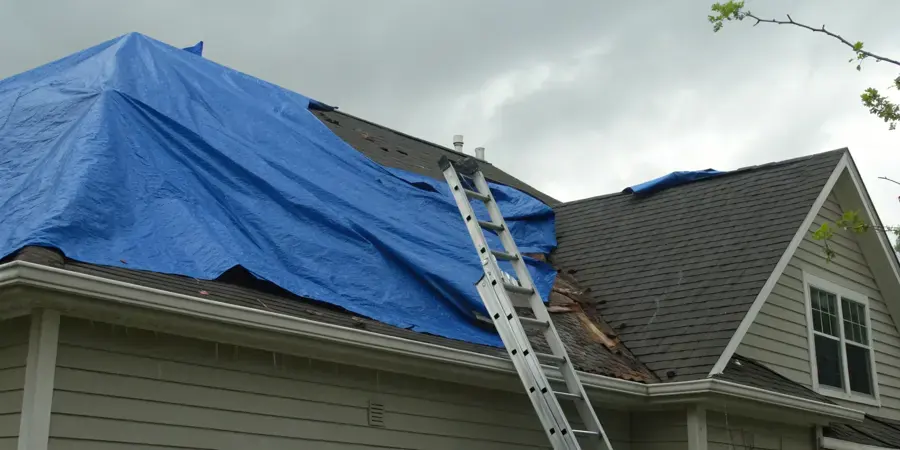
Roof Leak Water Damage
Attic and ceiling drying when wind-driven rain gets past shingles or flashing during the wet season.
See the full service page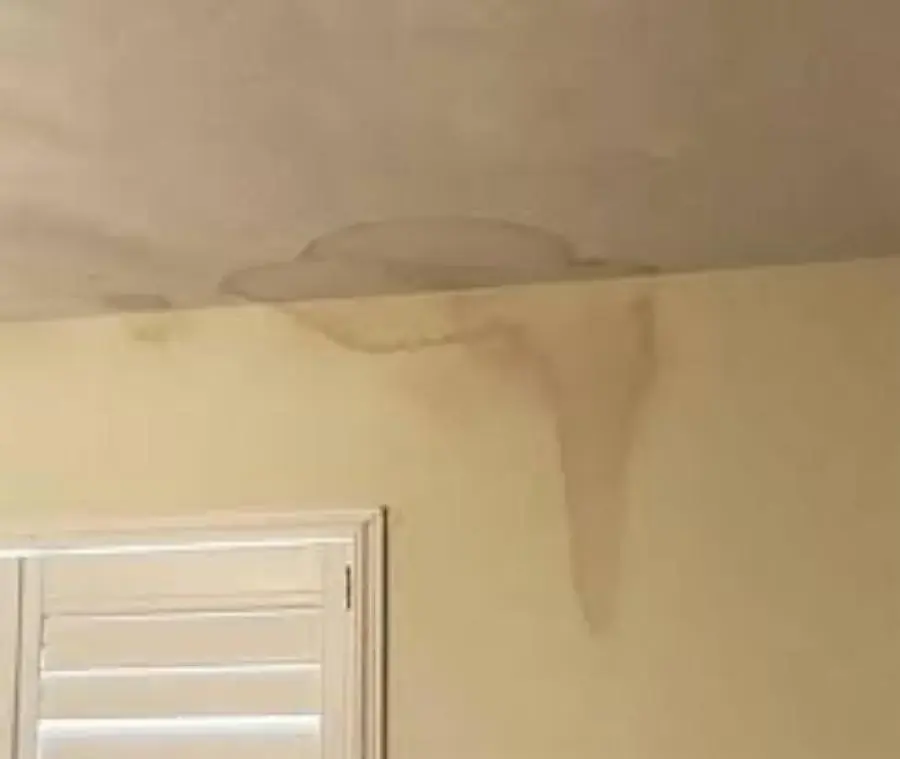
Ceiling Leak Water Damage
Drying and drywall removal when a leak overhead stains, sags or drips through a ceiling.
See the full service page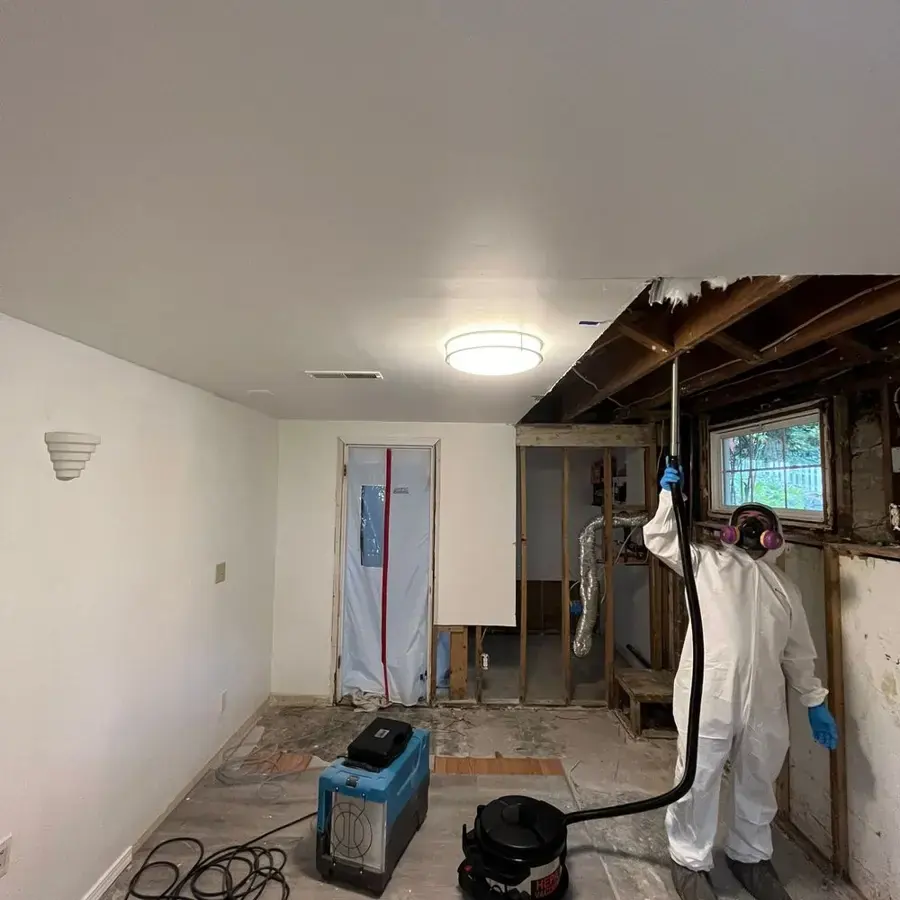
Sewage Backup Cleanup
Safe removal of contaminated water, with containment, disinfecting and drying for toilets, tubs and floor drains that back up.
See the full service page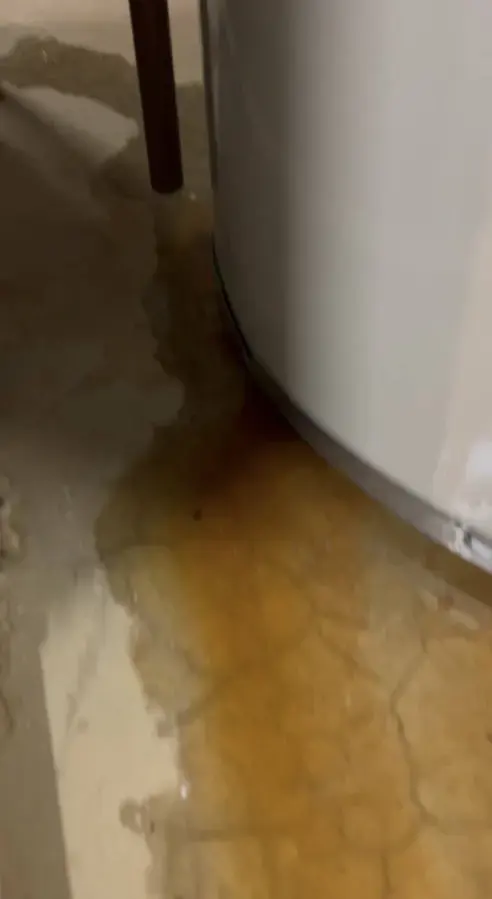
Water Heater Leak Cleanup
Extraction and drying when a tank fails or a fitting drips, from garage floors to nearby rooms and cabinets.
See the full service page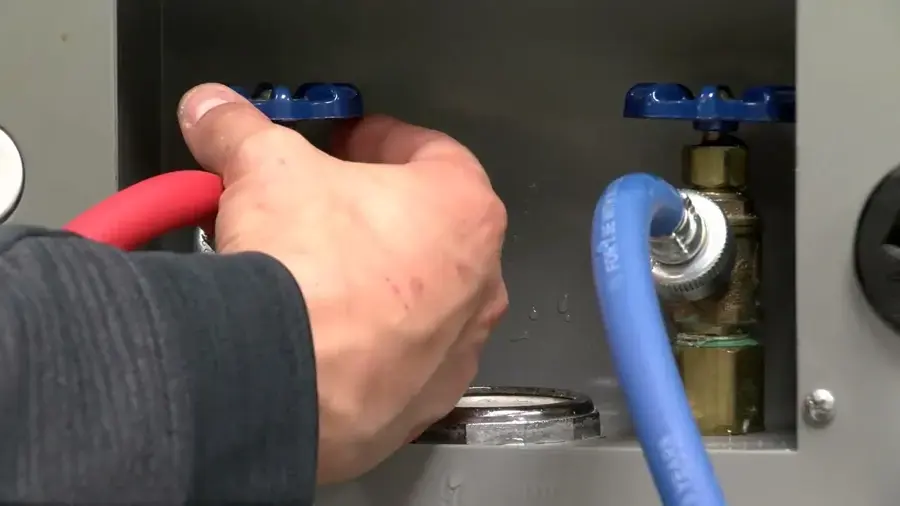
Appliance and Supply Hose Leaks
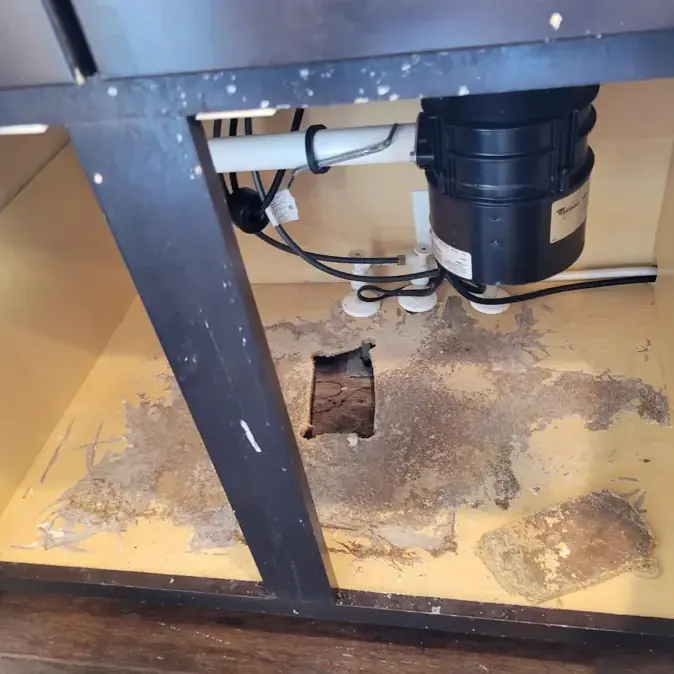
Dishwasher, washer and supply hose leaks traced, extracted and dried before the floor or cabinets warp.
See the full service page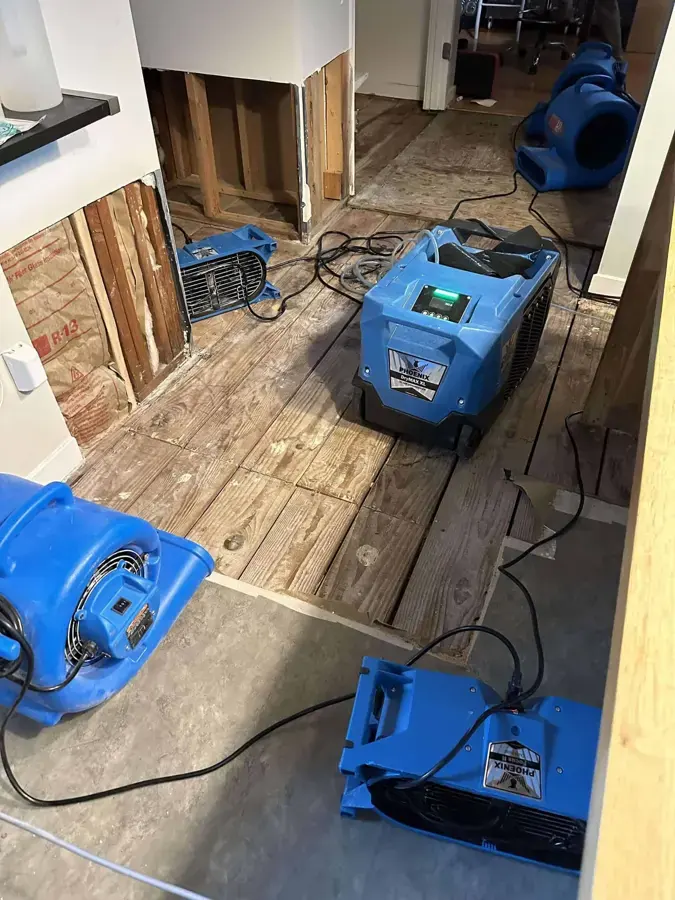
Structural Drying and Dehumidification
Air movers, dehumidifiers and daily readings that dry floors, walls and framing all the way through.
See the full service page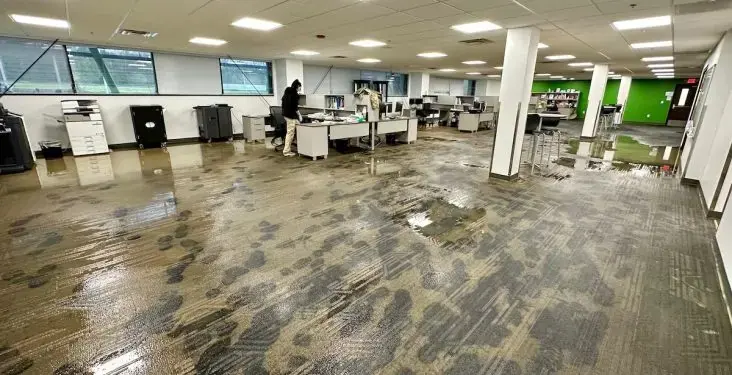
Commercial Water Damage
Shops, warehouses and offices dried in phases so the business can get back to work.
See the full service pageWhat sets this drying team apart
Knows the river plain
Crews work with the town's floodplain, silt and sand loam soils and wet winters in mind, so drying plans fit the ground the house sits on.
Moisture-led decisions
Meters and thermal images decide what stays and what goes, so only truly wet material is torn out.
Claim-ready records
Photos, moisture logs and equipment notes are kept for every visit, giving an adjuster a clear timeline of the loss and the work.
Water and sewage only
The crews focus on water and sewage losses, which means the equipment, products and habits are all built for wet structures.
Tools that dry the whole structure
- Truck-mounted extractors that lift standing water from carpet and hard floors
- Low-grain refrigerant dehumidifiers that pull moisture from air and materials alike
- Air movers aimed along walls and under cabinets to push dry air into hidden gaps
- Moisture meters and thermal cameras that find wet drywall, insulation and subfloor before it spreads
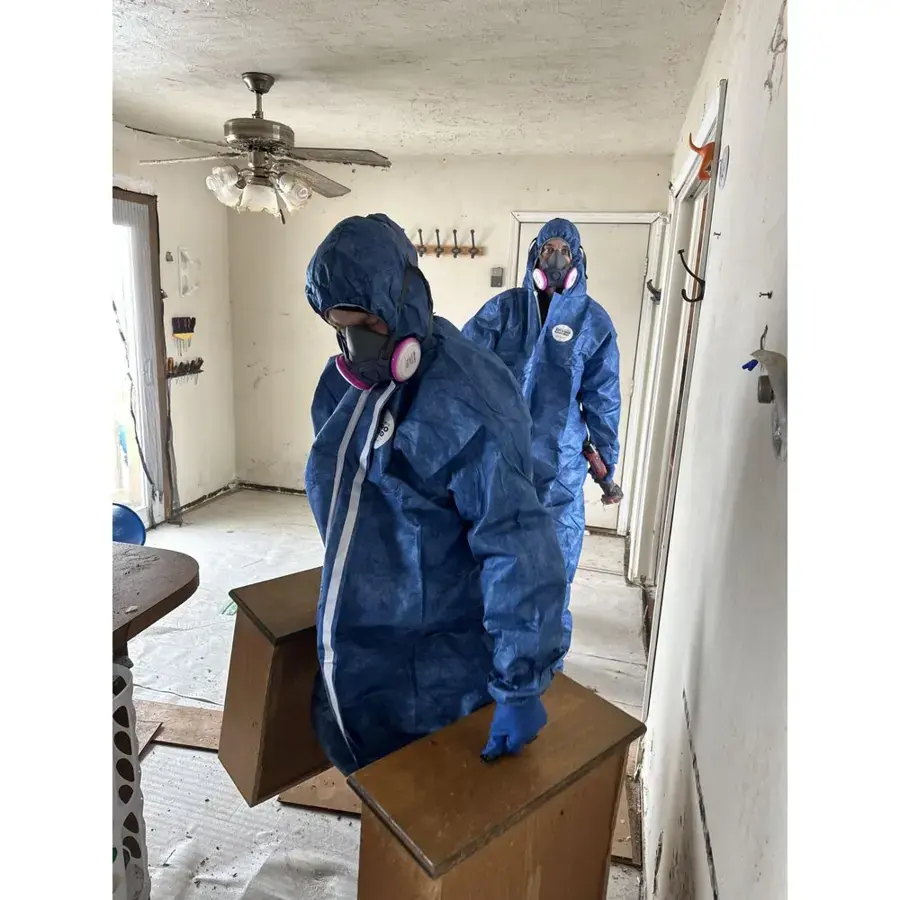
Water damage work, from contents to wall cavities
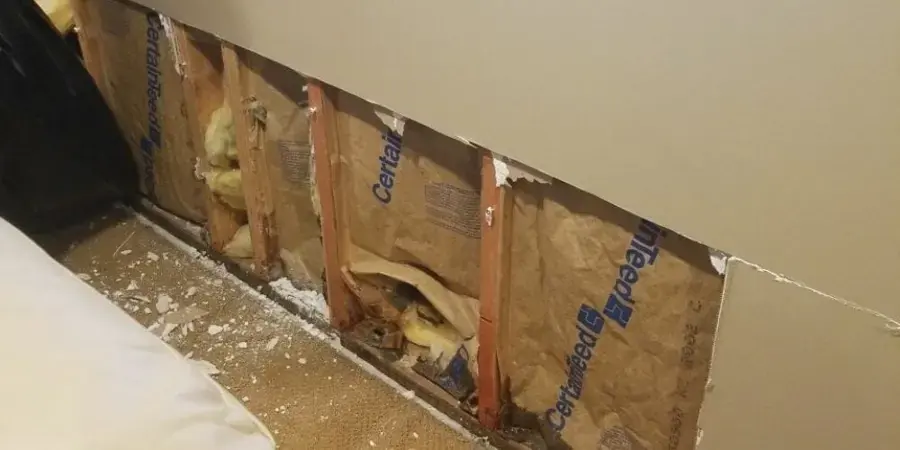
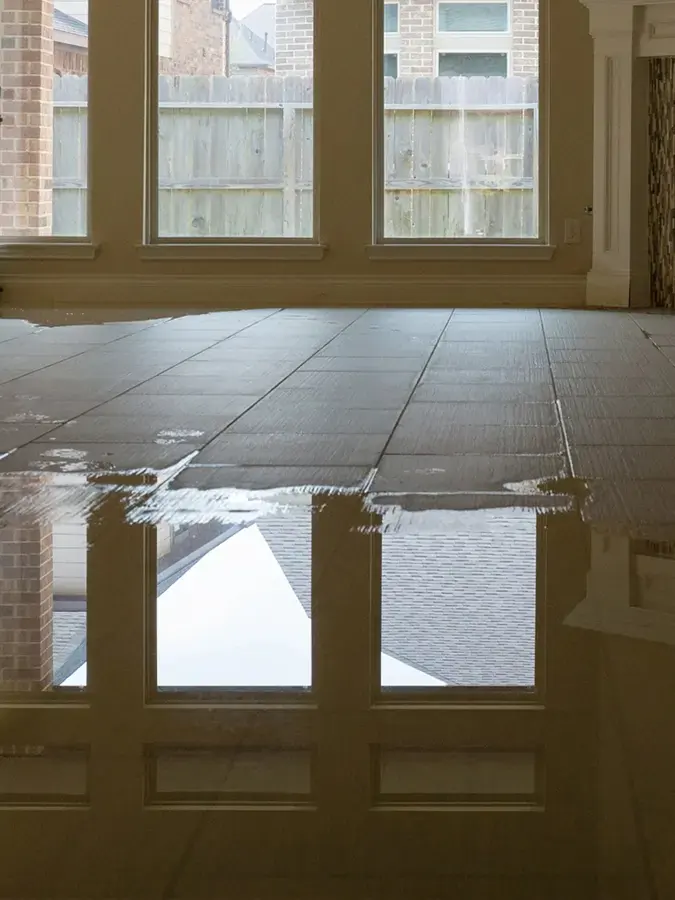
What water damage cleanup costs in this area
Small, contained losses usually land at $1,200 to $3,000, moderate spread at $3,000 to $6,500, and major losses at $6,500 to $15,000+. Category, area and drying time move the total, and a moisture map sets the scope first.
Caught early
- One room affected
- Extraction and drying
- Readings logged each visit
Spread to walls
- Drywall and pad removed
- Several rooms dried
- Daily moisture checks
Major or contaminated
- Category 3 water
- Contents and flooring removed
- Complete documentation
Extraction first, then drying to a dry reference
The crew removes standing water before anything else, then sets equipment by room, and keeps it running until each material reads dry against an unaffected reference point in the same building.
Working with your insurer
Water losses often involve an insurance claim, and adjusters ask for proof of how far the water spread and how long materials stayed wet. The crew keeps dated photos, moisture readings and equipment logs for that purpose.
Coverage depends on the policy and on the cause of the loss, so read yours or ask your agent about sudden leaks versus flood water. Flood water from a river usually needs separate flood coverage, which many standard homeowner policies leave out.
Serving the river plain and the hills beyond
Crews cover homes and shops across the city, in Cowlitz and Clark counties, from the river to the hills.
ZIP code covered
ZIP 98674 covers downtown, the East Woodland floodplains, Pekin and the homes around Horseshoe Lake, all close to the Lewis River.
Around the center
Along the river and lake
Nearby cities
Water in the house? Call the local drying team
Call, describe where the water is coming from and what it has reached, and the team will talk through the first steps and schedule the equipment and crew for the job.
Simple steps that limit the damage
- Close the home's main shutoff if a pipe, hose or tank is leaking.
- Switch off power to wet rooms and stay out of standing water near outlets.
- Lift small items and furniture legs out of the wet zone, then take photos.
- Leave wet drywall and insulation in place so the crew can read the damage.
Clean, gray and black water explained
Water is sorted by how contaminated it is: Category 1 starts clean, Category 2 carries some contaminants, and Category 3 is grossly unsanitary, which includes sewage and river flood water.
Category 1
Leaks from supply pipes, tanks or an overflowing sink start out clean, but they turn worse as materials stay wet for 24 to 48 hours.
Category 2
Washing machine or dishwasher discharge carries contaminants that can make people sick, so porous materials usually come out.
Category 3
Sewage and river or creek flood water carry bacteria and silt. Carpet, pad and wet drywall are removed, and surfaces are cleaned and disinfected.
Sewage backup cleanupWhy water finds homes here
Several local conditions raise the odds of water damage in the area.
A river that has flooded before
According to the National Weather Service, the Lewis River gauge here flags minor flooding at 24 feet, several likely flooded homes at 26 feet and widespread flooding at 28 feet.
Floodplain on silt and sand
Much of the city rests on a former Columbia River floodplain protected by dikes, and the city plan describes the river plain soils as mostly silt and sand loams.
Wet winters
One climate summary lists November as the wettest month, so roofs, gutters and windows get tested hardest when the ground is already soaked.
Sewers and lift stations
Downtown sewers date to the 1950s and are mainly 8-inch concrete, older brick manholes let in extra water, and the 2016 plan routes all flow through Lift Station 4, so power loss or a high river can back a drain up.
Water damage questions from local homeowners
Water in the house right now?
Describe what the water has reached and get the first steps started before it spreads.
(888) 509-1696 Call the drying teamHow soon should drying start after a leak or flood?
As soon as the water is found. Materials that stay wet for 24 to 48 hours can start to grow mold, and drywall, pad and subfloor get harder to save each day, so extraction and equipment should go in first.
Is river water treated differently from a pipe leak?
Yes. Water from the Lewis River or a creek is Category 3 because it carries silt and bacteria, so porous materials come out and surfaces are disinfected. A clean supply leak caught early is handled more lightly.
Does homeowners insurance cover river flooding?
Standard homeowners policies generally cover sudden leaks and bursts but not rising river water, which usually needs a separate flood policy. Ask the agent early, because the cause of the loss shapes how the claim is filed.
Why do sewers back up into homes here?
A blocked drain inside a house is one cause, but heavy rain and high river levels can also overload sewers or pumping stations. The tech checks where the blockage sits, and sewage that reached the floor is cleaned as Category 3.
What gets removed and what gets dried?
Only what cannot dry in place. Carpet from a clean leak can often be lifted and dried, while pad, contaminated drywall and soaked insulation usually go. The moisture readings, not guesses, decide each material.
Do water heater leaks need a permit to fix?
The plumbing side does. The City of Woodland says plumbing repairs and replacements need a permit, and water heater installation or replacement also needs a floodplain review the city requires. The restoration crew handles extraction and drying.
Can a business stay open during water damage work?
Often, yes. Commercial jobs are worked in zones, so one suite or floor can be dried while the rest operates, and after-hours work can be set up where noise or foot traffic would get in the way.
How long does the equipment stay in the house?
Equipment stays until moisture readings match a dry reference from an unaffected part of the building, not for a fixed number of days. Pulling it early leaves damp framing behind, and that is how odors and swelling start.
What does an insurance adjuster usually need?
Dated photos, a moisture map, daily drying logs and a list of the materials removed. The crew records all of it during each visit, so the timeline of the loss and the scope of work are easy to follow.
What should be done before the crew gets started?
Close the main shutoff if a pipe, hose or tank is leaking, switch off power to wet rooms, lift small items off wet floors and take photos. Leave wet drywall and insulation alone so the crew can assess it.
Stop the spread and start drying now
Whether a river rise, a split pipe or a backed-up drain caused the problem, the crew can assess the damage, pull out the water and set up drying. Call to get started.
(888) 509-1696Set up the drying plan