Roof Leak Water Damage in Longview, WA
When winter rain gets past the roof, the restoration team covers the opening, removes wet attic insulation and dries the ceilings, walls and framing below to the IICRC S500 standard.
(888) 509-1696Dry a Longview roof leak now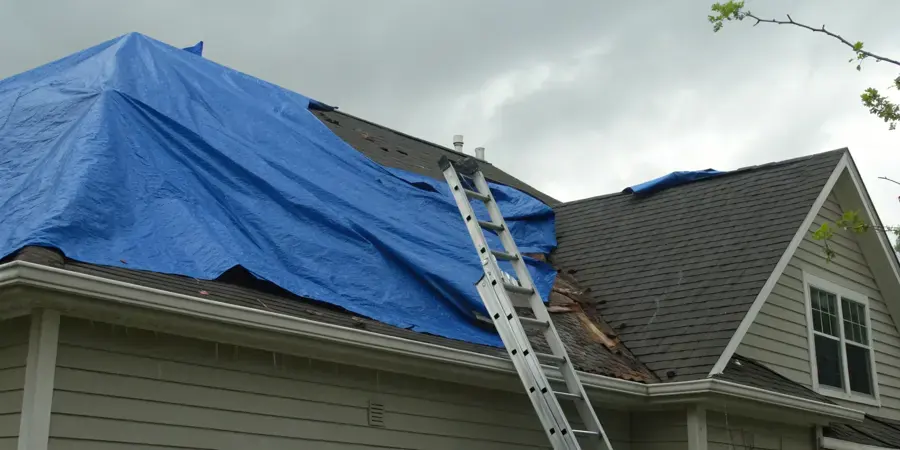
First steps for roof leak water damage in Longview
Catch the drip
Set a bucket under the leak and move furniture and electronics out of the way.
Keep clear of a sagging ceiling
If the ceiling bulges, keep people out from under it until the crew drains it.
Turn off wet fixtures
Switch off ceiling lights and fans where water is dripping, at the breaker if possible.
Photograph inside and out
Take photos of the ceiling, the attic if it is safe, and any visible roof damage.
How roof leak water damage is handled in Longview
Longview averages about 48 inches of precipitation a year, and November, December and January are the wettest months. Long stretches of wind-driven rain find the weak spots in a roof, and the water often travels along rafters and insulation before it shows up as a stain on a ceiling well away from the actual leak.
What does roof leak water damage cost in Longview, WA?
Roof leak water damage cleanup in Longview typically runs $1,200 to $4,500 for the water side of the job, separate from the roof repair. The amount of wet insulation, how many ceilings got wet and whether walls need opening set the cost.
One ceiling area
- Ceiling dried or drained
- Attic insulation checked
- Moisture readings
Attic and ceilings
- Wet insulation removed
- Attic framing dried
- Ceiling drywall opened
Wide spread
- Several rooms below
- Walls and flooring dried
- Full claim documentation
Ranges are typical, not a quote: the water category, square footage, material class and how fast drying started move the number most. Run the Longview water damage cost calculator for a closer range.
The roof leak water damage process in Longview
Cover the roof
The crew places a temporary tarp over the leak area so the inside can start drying.
Trace the water
The tech who does the walkthrough follows the water through the attic, ceilings and walls with meters and thermal imaging.
Remove and open
The crew removes wet insulation and opens failed ceiling drywall.
Dry and confirm
The drying team dries attic framing, ceilings and walls and logs readings until they reach the dry goal.
Where roof water gets in
The roofer finds and fixes the entry point. The restoration team traces where the water went once it was inside, which is rarely straight down.
- Flashing around chimneys, skylights and walls that has pulled loose or rusted
- Plumbing vent boots that crack with age
- Valleys where moss and debris hold water against the shingles
- Gutters that overflow and push water under the roof edge
Attic insulation and ceilings
Wet blown-in or batt insulation compresses, holds water against the ceiling drywall and stops insulating. The crew removes the wet section, and the drying team dries the attic framing and the ceiling below.
A ceiling that sags or holds water gets a small drain hole first, then the crew opens it where the drywall has failed. Leaks from plumbing above, rather than the roof, are covered on the ceiling leak water damage page.
Tarp first, then dry
Most restoration crews tarp the damaged roof area to stop more water from coming in while the roof waits for repair. Drying a house that is still taking on rain wastes days, so the cover comes first.
Roof work in wet weather is a fall risk, and OSHA fall protection guidance explains why it belongs to crews with the right gear. For storm watches, check Ready.gov severe weather tips before the next system rolls in.
Stains travel
A stain in the middle of a ceiling can come from a leak well away from it, along a rafter. The moisture map, not the stain, shows where the water went.
Roof leak water damage across Longview and Cowlitz County
Dispatch runs 24/7 for Longview, WA, day or night.
Longview Water Damage Restoration covers ZIP 98632, from the Civic Center, the Old West Side, St. Helens and the Highlands out to Olympic West, Cascade, Columbia Heights, West Longview and Mint Valley, plus the homes around Lake Sacajawea.
Nearby coverage reaches Kelso, Lexington, Castle Rock, Kalama, Woodland, Rainier, OR.
Related water damage services in Longview
Roof Leak Water Damage questions in Longview, WA
Water still spreading?
Rain coming through the ceiling? The Longview drying team works around the clock.
(888) 509-1696 Longview roof leak dispatchDo I call a roofer or a restoration team first?
Both, and the weather sets the order. A temporary tarp stops more water from coming in, then the restoration team dries the house while the roofer schedules the repair.
Does wet attic insulation need to come out?
Usually. Wet insulation compresses, holds water against the ceiling and dries slowly. The crew removes the wet section, and new insulation goes in after the framing reads dry.
Why is the stain far from where the roof leaks?
Water runs along rafters, sheathing and insulation before it drips through the ceiling. The moisture map shows the real path.
Will homeowners insurance pay for roof leak damage?
Sudden storm damage to a roof and the water that came in are often covered, while leaks from wear or long neglect are treated differently. Coverage depends on your policy, so check with your own insurer.
Can a wet ceiling be saved?
Often, when the drywall stays firm and dries quickly. Ceilings that sag, crumble or held water for days come down and get replaced after the framing dries.
How is a roof leak different from a ceiling leak?
A roof leak comes from outside and soaks the attic and insulation first. A leak from a bathroom or pipe above is covered on the ceiling leak water damage page.
Cover the roof and dry the house
Rain that keeps coming in soaks insulation, ceilings and walls. The crew covers the opening and the drying team dries what got wet.
(888) 509-1696Longview roof leak help, any hour