Sewage Backup Cleanup in Longview, WA
The mitigation team handles sewage backups in Longview homes as Category 3 from the start: protective gear, containment, removal of soaked materials, antimicrobial treatment and drying.
(888) 509-1696Longview sewage backup cleanup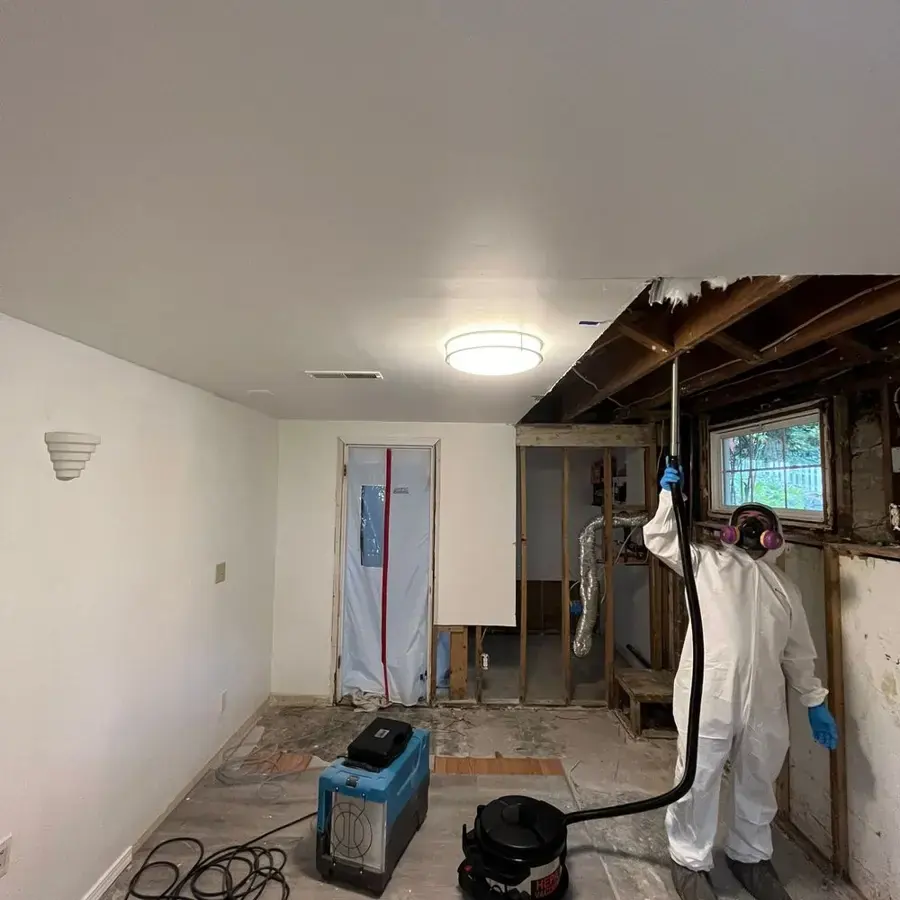
First steps for sewage backup cleanup in Longview
Stop using the drains
Do not flush, shower or run the washer until the drain is cleared.
Keep people out
Close off the area and keep children and pets away from the water.
Cut power if needed
Shut off breakers to the affected area if water is near outlets or appliances.
Photograph, do not touch
Take photos from a dry spot and leave the cleanup to crews in protective gear.
How sewage backup cleanup is handled in Longview
A sewage backup is Category 3 water the moment it happens. It carries bacteria and viruses, so the mitigation team works in protective gear, sets containment and removes what the water soaked rather than drying it in place.
What does sewage backup cleanup cost in Longview, WA?
Sewage backup cleanup in Longview typically runs $2,500 to $8,000. The amount of sewage, the square footage it reached, the porous materials that come out and whether it got into the crawl space set the cost.
Small bathroom area
- Extraction and removal
- Antimicrobial treatment
- Drying and readings
Room or crawl space
- Containment and HEPA air scrubbers
- Drywall and flooring removed
- Daily moisture readings
Lower level
- Widespread Category 3 water
- Contents removal
- Full claim documentation
Ranges are typical, not a quote: the water category, square footage, material class and how fast drying started move the number most. Run the Longview water damage cost calculator for a closer range.
The sewage backup cleanup process in Longview
Contain
The mitigation team sets plastic containment and HEPA air scrubbers and suits up before entering.
Extract and remove
The extraction crew pulls the sewage and removes carpet, pad, drywall and insulation it touched.
Clean and treat
The crew cleans hard surfaces and applies an EPA-registered antimicrobial at its labeled dwell time.
Dry and verify
The drying team dries the framing and subfloor and logs readings until they reach the dry goal.
Where backups start in Longview homes
Most backups trace to the side sewer, the private pipe between the house and the city main, or to a drain inside the home. Older clay and cast iron pipe cracks, shifts and lets roots in.
- Toilets and floor drains on the lowest level, where sewage surfaces first
- Roots and grease clogs in the side sewer
- Heavy rain that overloads drains and pushes water back toward the house
- Drain pipes under the floor that crack and leak sewage into the crawl space
PPE, containment and removal
The minimum gear is a respirator, eye protection, gloves and disposable suits. The crew isolates the area with plastic sheeting, runs HEPA air scrubbers, extracts the sewage and removes porous materials the water touched, cutting drywall well above the high-water mark.
- Carpet, pad, drywall and insulation that sewage touched are bagged and removed
- Hard surfaces are cleaned, then treated with an EPA-registered antimicrobial left on for its labeled dwell time
- Drying starts only after cleaning and treatment
Worker protection on jobs like this follows OSHA rules, and disinfectants come from the EPA list of registered disinfectants.
Who handles the pipe and who handles the house
A plumber or sewer contractor clears and repairs the drain or side sewer, and the restoration team handles the contaminated water and materials inside. Many homeowner policies exclude sewer backup unless the policy carries a sewer backup endorsement. Coverage depends on your policy, so check with your own insurer.
Stay out of the water
Keep children and pets out of the affected area, do not run fixtures that drain into the backed-up pipe, and wash hands well after any contact.
Sewage backup cleanup across Longview and Cowlitz County
Dispatch runs 24/7 for Longview, WA, day or night.
Longview Water Damage Restoration covers ZIP 98632, from the Civic Center, the Old West Side, St. Helens and the Highlands out to Olympic West, Cascade, Columbia Heights, West Longview and Mint Valley, plus the homes around Lake Sacajawea.
Nearby coverage reaches Kelso, Lexington, Castle Rock, Kalama, Woodland, Rainier, OR.
Related water damage services in Longview
Sewage Backup Cleanup questions in Longview, WA
Water still spreading?
Sewage backing up? The Longview mitigation team works around the clock.
(888) 509-1696 Longview sewage cleanup dispatchCan I clean up a sewage backup myself?
A small clean-water overflow is one thing, but sewage is Category 3 water that carries bacteria and viruses. Cleanup calls for protective gear, containment and removal of soaked porous materials.
What gets thrown out after a sewage backup?
Carpet, pad, drywall, insulation and other porous materials the sewage touched come out. Hard surfaces such as tile, concrete and sealed wood get cleaned and treated with an antimicrobial.
Does homeowners insurance cover sewage backups?
Many policies exclude sewer backup unless the policy carries a sewer backup endorsement. Coverage depends on your policy, so check with your own insurer.
Is it safe to stay in the house?
Usually, when the backup is contained to one area and everyone stays out of it. Keep children, pets and anyone with a weak immune system away from the work area.
What causes side sewer backups?
Roots, grease, a collapsed or offset pipe and heavy rain that overloads drains are the usual causes. A sewer contractor can run a camera through the pipe to find the problem.
Why can sewage not just be dried?
Drying leaves the contamination behind. Category 3 water means porous materials come out and surfaces get cleaned and disinfected before any drying starts. See structural drying for what happens after.
Get the sewage contained and removed
Sewage is Category 3 water from the start. The mitigation team contains it, removes what it soaked and disinfects before drying.
(888) 509-1696Longview sewage cleanup, any hour