Water Extraction and Removal in Kelso, WA
Kelso sits where three rivers meet, so water in a house is a known risk. The extraction crew pulls standing water from carpet, pad and floors, then dries what stays.
(888) 509-1696Pull standing water from my floors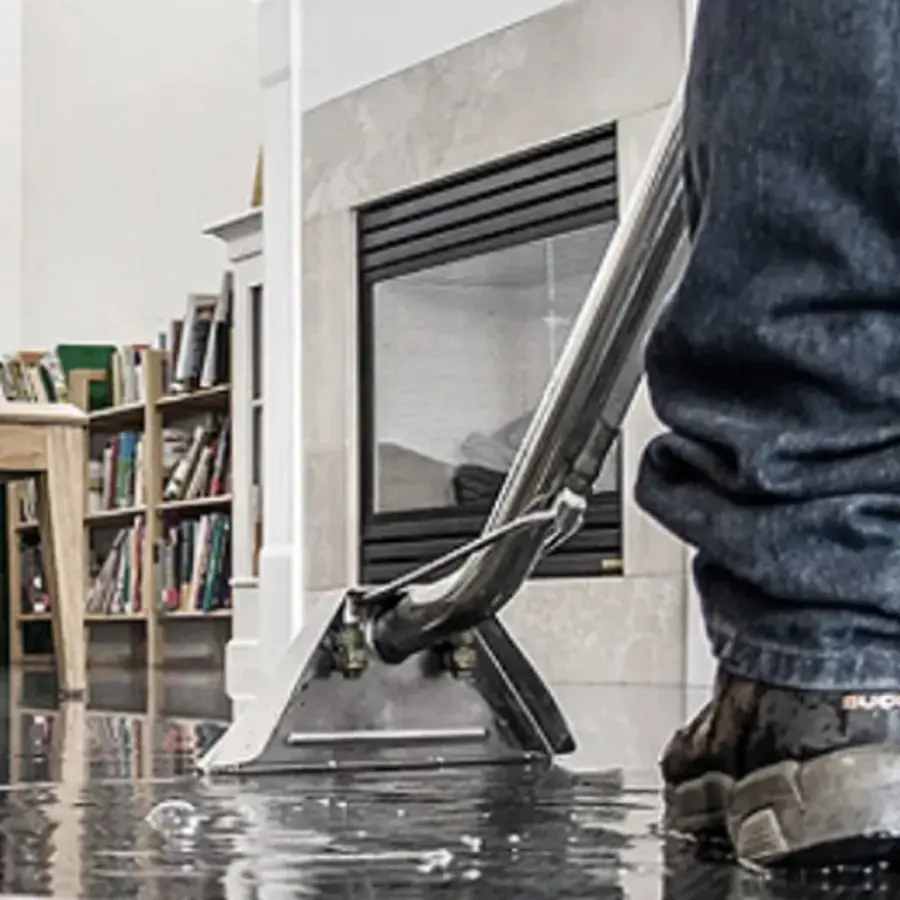
First steps for water extraction and removal in Kelso
Stop the source
Shut off the main valve if a pipe is the cause, and keep everyone out of rooms where water reaches outlets.
Lift what you can
Move small furniture, rugs, electronics and papers onto dry surfaces before extraction starts.
Skip the shop vac
A household vacuum cannot handle the volume and is unsafe near wet outlets. Leave standing water to the extraction crew.
Photograph it all
Take pictures and short videos of the water, the damage and the contents before anything is moved or thrown out.
How water extraction and removal is handled in Kelso
Water in a Kelso home usually comes from one of three places: a heavy storm, a river that has risen, or a leak inside the walls. In each case the first job is the same, which is getting the standing water out before carpet, pad and framing soak it up. Speed matters more than anything else on the first day.
What does water extraction and removal cost in Kelso, WA?
Water extraction in Kelso usually runs from $500 to $6,000. The range depends on how many rooms are wet, whether carpet and pad must come out, and whether the water is clean or contaminated.
One room or less
- Standing water pulled out
- Carpet lifted from the floor
- Drying equipment set in place
Several rooms
- Truck-mounted water removal
- Wet pad cut out and bagged
- Moisture map per room
Whole floor or Category 3
- Large or contaminated water
- Porous materials removed
- Antimicrobial and containment
Ranges are typical, not a quote: the water category, square footage, material class and how fast drying started move the number most. Run the water damage cost calculator for a closer range.
The water extraction and removal process in Kelso
Walkthrough
The tech who does the walkthrough finds the source, tests moisture with meters and sketches which rooms are wet.
Extraction
Truck-mounted units and portable extractors pull standing water, and wet carpet and pad are lifted where they cannot be saved.
Detail work
Water is drawn from cabinet bases, wall bottoms and thresholds, and soaked baseboards or lower drywall come off if needed.
Drying and readings
Air movers and dehumidifiers run while the team logs readings each day until the structure reaches a dry reference.
Rivers, rain and shallow groundwater
The Cowlitz River reaches flood stage at 21.5 feet on the local gauge, and a city project checklist describes local groundwater as shallow. Both push water toward floors.
- Standing water lifted from tile, vinyl, wood and concrete floors with truck-mounted or portable extractors
- Saturated carpet pulled back from the tack strip and the soaked pad taken out
- Water drawn from toe kicks, cabinet bases and the bottoms of walls
- Wet debris bagged so it does not keep soaking the floor
The first 48 hours
After the water is out, wet materials keep giving off moisture into the room. Drywall wicks upward, framing holds water, and hardwood cups. Within 24 to 48 hours a damp house can start growing mold, so drying equipment goes in right away.
The extraction crew checks the floor, the lower wall and the cabinet bases with moisture meters and a thermal camera. Anything that cannot dry in place comes out, and the rest is dried with air movers and dehumidifiers until readings match a dry reference. See structural drying for that stage.
When the river rises
A minor flood warning went out for the Cowlitz River in March 2026, when the gauge near the Hall of Justice read just below 22 feet, before it was canceled.
A warning like that is a cue to lift belongings off floors, not proof of damage. If water does enter, extraction starts in the lowest rooms, and flood water is treated as contaminated, so carpet and pad are removed rather than saved. Storm and flood cleanup covers that case.
Removal comes before drying
Fans alone do not remove standing water. Extraction takes out the bulk of it in a fraction of the time, which shortens drying and protects the subfloor underneath.
Water extraction and removal across Kelso and nearby communities
Dispatch runs 24/7 for Kelso, WA, day or night.
In Kelso, the extraction crew works across ZIP 98626, from Aldercrest-Banyon, Butler Acres and Rose Valley to the streets around Davis Terrace and Mt. Brynion, plus the homes near Three Rivers Mall.
The same service nearby: water extraction and removal in Longview, Kalama, Castle Rock.
Water Extraction and Removal questions in Kelso, WA
Water still spreading?
Standing water still spreading across a floor? Extraction should start before the pad soaks it up.
(888) 509-1696 Reach the extraction crewHow fast does extraction need to start?
As soon as possible. Standing water keeps moving into drywall, pad and framing, and every extra hour adds drying work, so the clock matters from the first discovery.
Can a shop vac handle it?
For a small spill, yes. For water spread across a room, a household vacuum is too small and unsafe near outlets. Truck-mounted extraction moves far more water and leaves floors much drier.
Is carpet always thrown away?
No. Clean water from a supply failure can often be extracted and dried in place if it is caught early. Flood or sewage water changes that, because carpet and pad it touches are removed.
Why is river water treated differently?
River and storm water carries silt, bacteria and debris, so it is classed as contaminated. Porous materials it touches come out, hard surfaces are cleaned and treated, and the work is documented for the claim.
Does shallow groundwater cause floor water?
A city project checklist describes local groundwater as shallow, and seepage can reach low floors after heavy rain. A moisture survey tells the crew whether the water is runoff or seepage.
What should be photographed first?
The waterline on walls, the wet floors, affected contents and the source if it is visible. Dated photos and daily drying logs give an insurer a clear picture of what was lost and what was done.
Get the water out before it settles in
The extraction crew lifts standing water, checks every wet surface with meters and keeps drying until readings are normal. One call starts the process.
(888) 509-1696Book water removal