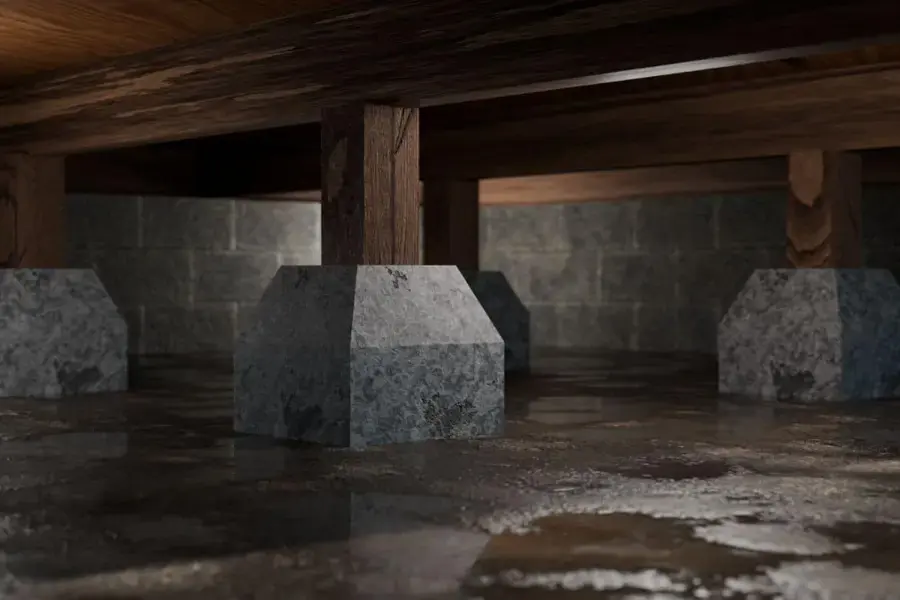
After the December 2007 flood, all but a handful of the affected homes were elevated, according to the City of Vernonia. Raising the living floor keeps people above most water, but the space underneath still fills, and the city says it is not meant for storage.
Key takeaways
- After the December 2007 flood, all but a handful of the homes affected were elevated, according to the city.
- The city says crawlspaces and garages under elevated homes are not meant for storage, and some residents who stored property there lost it in the 2015 flood.
- From October 15 to March 15, the city bars storing petroleum products, paints, pesticides, herbicides or other toxic materials below the 2007 flood level on residential property.
- Floodwaters can carry biological and chemical contaminants, so contact with floodwater and the sediment it leaves should be limited.
- Water under an elevated floor still needs to be pumped out and the framing dried.
What elevating homes after December 2007 changed
The December 2007 flood was larger than the flood in 1996 and is the highest flood of record, according to the city. The National Weather Service gauge on the Nehalem River lists the December 3, 2007 crest at 19.1 feet.
A January 2009 Oregonlive report said more than 800 homes flooded in the Nehalem River drainage in December 2007, 340 of them within the city limits.
- Flood of record: a crest of 19.1 feet on December 3, 2007.
- More than 800 homes flooded in the drainage, 340 of them inside the city limits.
- All but a handful of the homes affected were elevated afterward.
What the recovery did
After the flood, the State of Oregon and FEMA invested tens of millions of dollars in flood recovery and mitigation, according to the city.
The city says the school, the health center, West Oregon Electric and the primary electric substation were moved out of the floodplain, substantially damaged properties were bought out and demolished, and the sewer lagoons were upgraded to avoid flood damage.
What it did not change
Elevating a house changes where the living floor sits. It does not change where water goes when the river rises, which is into the space below.
Not every home is elevated. The city's statement covers the homes affected in 2007, not every house in town.
The 2015 flood: fewer than ten structures, but stored belongings lost
The city says a major flood in 2015 flooded fewer than ten structures, with minimal damage, because of flood mitigation and community preparedness. The gauge recorded a crest of 14.6 feet.
Even so, some residents who stored personal property in crawlspaces and garages lost it in that flood.
The gauge also recorded crests of 13.42 feet in November 2012 and 12.5 feet in November 2016, both above the 12 foot minor flood level.
- Fewer than ten structures flooded in 2015.
- The gauge crest was 14.6 feet.
- Property stored below the living floor was what some residents lost.
What water does under an elevated floor
When the river rises, water enters the crawlspace or garage under an elevated home. It soaks insulation, the vapor barrier, the beams and joists and the underside of the floor above, and it leaves sediment behind.
A crawlspace is hard to see into and slow to dry. The crew starts with pumping, then removes wet insulation and debris, then cleans and dries the framing.
That sequence is the core of crawl space water removal.
- Pumping and extraction of standing water.
- Removal of wet insulation and a damaged vapor barrier.
- Cleaning of sediment from joists, beams and the ground.
- Drying of framing and subfloor with air movement and dehumidifiers.
Contaminated water and the seasonal storage rule
The city warns that floodwaters can carry biological and chemical contaminants and that people should limit contact with floodwaters and the sediments left after a flood.
It also bars storing petroleum products, paints, pesticides, herbicides or other toxic materials below the 2007 flood level on residential property within city limits between October 15 and March 15.
Both rules point the same way: what sits below the living floor in the wet season should be limited to items that can get wet.
- Keep stored property above the living floor, not in the crawlspace or the garage.
- Limit contact with floodwater and sediment, and wear protective gear if contact cannot be avoided.
- Do not store petroleum products, paints, pesticides or other toxic materials below the 2007 flood level from October 15 to March 15.
How the cleanup runs after river water
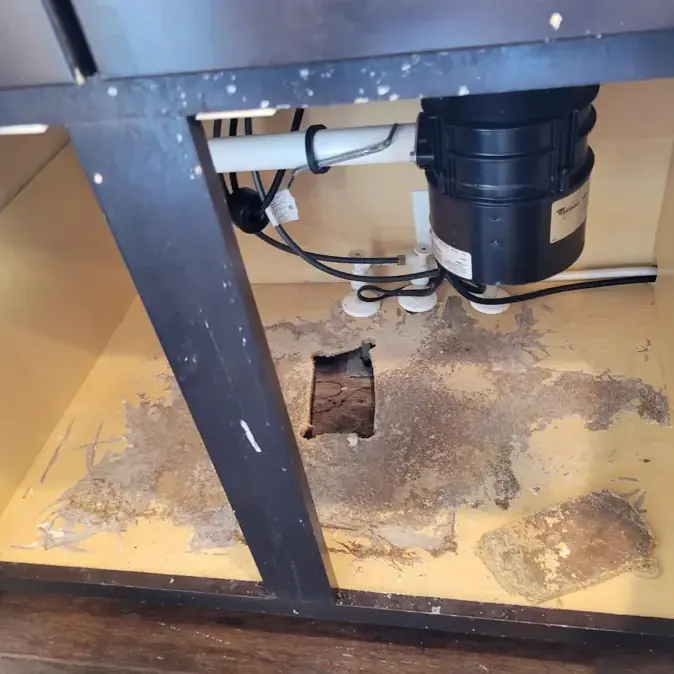
River water is Category 3, so storm and flood water cleanup starts with protection and ends with a clean, dry structure.
- Extraction and pumping of standing water.
- Removal of porous materials that soaked it up.
- Cleaning and an antimicrobial treatment of hard surfaces and framing.
- Drying until moisture readings match unaffected areas.
Repairs, permits and inspections after a flood
Repairs after a flood can involve building work. The city enacted a strict flood hazard reduction ordinance after the 2007 flood, and it requires a Floodplain Development Permit for all building, fences and fill such as gravel or soil in a flood zone.
Structural, electrical, plumbing and mechanical permit applications are taken online through the State of Oregon ePermitting system. Building, mechanical and electrical inspections are held on Tuesdays and Thursdays.
- Floodplain Development Permit: building, fences and fill in a flood zone.
- Structural, electrical, plumbing and mechanical applications go through State of Oregon ePermitting.
- Building, mechanical and electrical inspections are held on Tuesdays and Thursdays.
Before the next rise
Residents can sign up for emergency phone alerts through Columbia 911. The city posts a Vernonia Flood Zone Map, and the FEMA Flood Map Service Center offers interactive flood mapping.
The city also says most business owners in the floodplain have been through a flood before and should keep a flood action plan. The same crawlspace steps apply anywhere, including crawl space water removal in Longview.
For the full list of services, see water damage restoration for local homes.
- Sign up for Columbia 911 emergency phone alerts.
- Check the Vernonia Flood Zone Map and the FEMA Flood Map Service Center for a property.
- Empty the crawlspace and the garage of anything that cannot get wet.
- Photograph the crawlspace and the garage before flood season.
Questions
Are all Vernonia homes elevated?
No. The city says all but a handful of the homes affected by the December 2007 flood were elevated afterward. That does not cover every house in town.
Can the crawlspace under an elevated home be used for storage?
The city says crawlspaces and garages under elevated homes are not meant for storage.
At what river height do buildings start to flood?
At the Nehalem River gauge the National Weather Service expects some flooding of buildings to begin at 15 feet.
What contaminants can floodwater carry?
The city warns of biological and chemical contaminants in floodwater and in the sediment it leaves, and advises limiting contact.
How is a crawlspace dried after a flood?
The water is pumped out, wet insulation and debris are removed, the framing is cleaned, and air movers and dehumidifiers run until readings match unaffected areas.
Do repairs after a flood need permits?
Building work in a flood zone needs a Floodplain Development Permit, and permit applications go through the State of Oregon ePermitting system. The city can confirm what a particular repair needs.