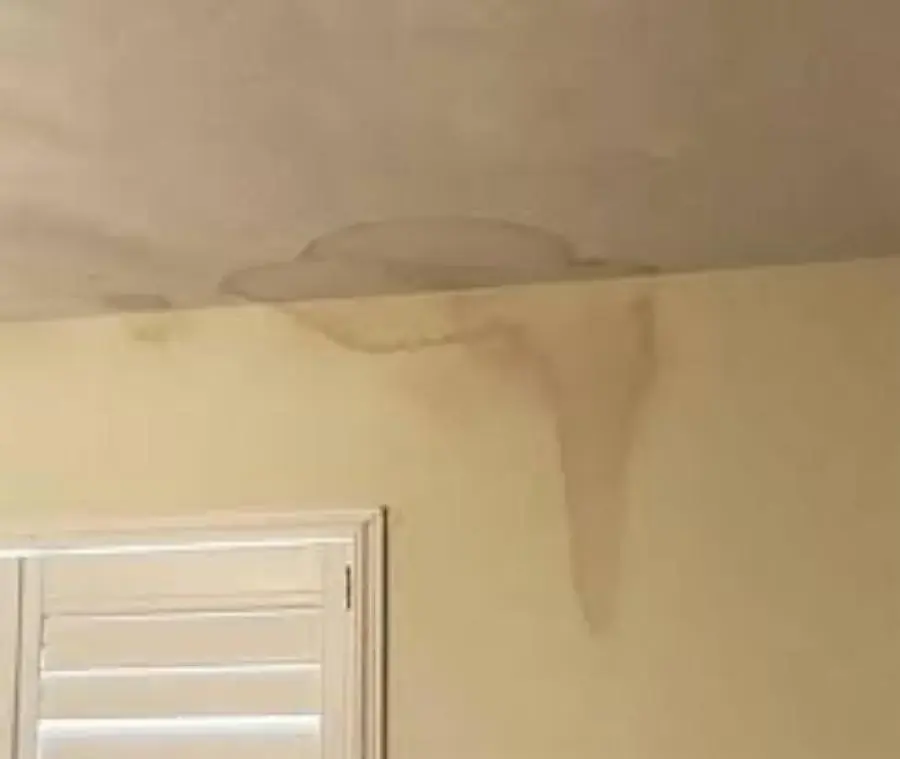
A stain on the ceiling often starts in the unit above, not on the roof. The city comprehensive plan describes Kelso as having a relatively old housing stock with a high share of rental use, so a leak in one unit can quickly become a neighbor's problem.
Key takeaways
- In 2007 to 2011 survey data, renters occupied 52% of units and 11% were in buildings of five or more units, and those figures are dated.
- A ceiling stain often traces to a bath, supply or appliance leak in the unit above, not to the roof.
- Photograph everything, and tell the unit above and the landlord or manager right away.
- The city publishes Water and Sewer Leak Adjustment Guidelines for utility customers, which are separate from the cleanup.
- A wet ceiling in an occupied building is opened and dried in sections so people can keep using the rest of the space.
Why shared leaks matter in older, rental heavy housing
The plan puts numbers on the pattern, but the numbers are old. They describe a mix of housing, not today's exact counts.
- 52% of units renter occupied in the 2007 to 2011 survey data.
- 50% of units in structures built before 1960 in that data.
- 11% of units in buildings with five or more units.
What the city plan says
The plan describes the city as having a relatively old housing stock with a high share of rental use. Using 2007 to 2011 survey data, it says renters occupy 52% of housing units and owners occupy 48%.
The Longview and Kelso Consolidated Plan for 2025 to 2029 adds that about 75% of housing in the two cities combined was built before 1980.
What that means for a leak
In a building with several units, a leak in one can show up as a stain on the ceiling of the unit below.
A renter below and an owner above, or the reverse, may not know each other, which is one more reason to document the damage and tell the manager early.
Reading a ceiling stain
The shape and the timing of a stain say a lot about where the water started.
- A stain that grows when it is not raining points to a plumbing or appliance leak, not the roof.
- A stain under a bathroom, laundry or kitchen above suggests a supply, drain or appliance source.
- Bubbling paint, a bulge or drops at a light fixture mean water is still collecting above the drywall.
- Brown rings show the water has been there more than once.
First steps for the unit below
The first goal is to protect people and belongings, and to let the right people know.
- Photograph the ceiling, the walls and the floor, and keep the photos dated.
- Move furniture and electronics away from the stain, and switch off a dripping light fixture at the breaker.
- Tell the landlord, the manager or the neighbor above right away, in writing if possible.
- Do not poke a bulging ceiling from below without a plan for the water.
- Call the restoration team to start extraction and drying.
First steps for the unit above
A leak from an upstairs unit usually comes from a bathroom, a supply hose or an appliance. Appliance leak cleanup covers washers, dishwashers, ice makers and toilet supply hoses.
- Shut off the water supply to the fixture or appliance, or to the whole unit if the source is unclear.
- Stop using the appliance and let the manager know.
- Soak up water on the floor and move rugs so it does not reach the unit below.
- Photograph the source and the floor before repairs.
Why documentation helps everyone
Photos, dates and short notes help the landlord, the neighbor and the cleanup team agree on what happened and when.
- Dated photos of the stain on the first day and again as it changes.
- A note of when the leak was noticed and who was told.
- A list of damaged belongings with photos.
- Copies of messages to the landlord or the manager.
How the drying team works in an occupied building
Ceiling leak water damage work starts with finding where the water entered and how far it went. Sagging drywall is opened safely, and the joist bays above are dried.
In an occupied building, the team protects belongings, keeps work areas contained and schedules equipment so people can keep using the rest of the space.
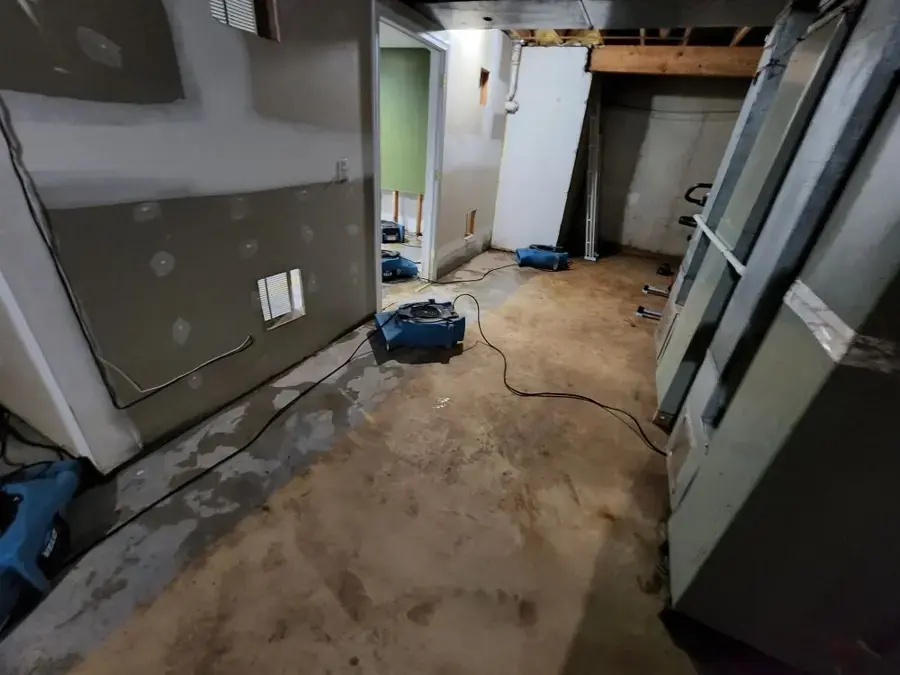
Air movers and dehumidifiers go into the affected unit, and sometimes the unit above, until moisture readings match unaffected areas. The same method applies to ceiling leak cleanup in Longview.
- Opening a sagging ceiling to release water safely.
- Moisture readings in the ceiling, the walls and the floor above and below.
- Equipment placed in each affected unit when the source unit has wet material too.
- Readings checked on a schedule until they match a dry reference.
Utility help, permits and paperwork
The City of Kelso Utility Department provides water, sewer, garbage and stormwater service. The city lists service leak repairs, faulty meters and broken angle meter stops among its day to day utility work.
It also publishes Water and Sewer Leak Adjustment Guidelines for utility customers. They concern the utility account, not the cleanup, so the utility is the place to ask what they cover.
The Kelso Building Department says separate permits may be needed for mechanical and plumbing work that is not combined with a building permit, and it lists painting, flooring, cabinets and counter tops as exempt from a permit. A plumber or the department can confirm what a repair needs.
For the full list of services, see water damage restoration for local homes.
Questions
Who pays when a neighbor's leak damages a ceiling?
That depends on the lease, the building owner and the cause, so it is a question for the landlord or the manager. The restoration team documents the damage and dries the structure whichever way that is settled.
Can a ceiling be dried without tearing it all out?
Sometimes. Drywall that is not saturated or sagging can be dried in place with readings to confirm it. Saturated or sagging drywall is opened.
How can a renter tell a roof leak from a leak above?
A stain that grows in dry weather or sits under a bathroom, laundry or kitchen points to a source above. A stain that appears only during rain points to the roof.
Do the Water and Sewer Leak Adjustment Guidelines cover the cleanup?
They are published for utility customers and concern the utility account. The utility can say what they cover.
Who can shut off water for the whole building?
Usually the owner or the manager. A tenant can shut off the supply to a fixture or appliance and should report a leak right away.
What if the neighbor above is not home?
Tell the manager or the owner, who can arrange access. The team can begin extraction and drying in the affected unit in the meantime.
Should the electricity be switched off?
Only the circuit for a dripping light fixture or a wet outlet area, at the breaker. If water is near the electrical panel or the floor around outlets is wet, stay away and call for help.